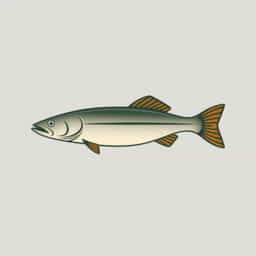
Muskie fishing is a thrilling challenge that tests patience, technique, and the right choice of bait. These apex freshwater predators are known for their elusive nature, sharp teeth, and explosive strikes. Successfully catching a muskie often comes down to understanding what kind of bait triggers their aggressive instincts. The best bait for muskie varies depending on season, water clarity, depth, and forage availability, but a few proven types consistently produce results when used correctly. Whether you prefer casting or trolling, live bait or artificial lures, choosing the right muskie bait can make all the difference between a frustrating outing and a memory-making catch.
Understanding Muskie Feeding Behavior
Before choosing the best bait for muskie, it’s essential to understand how these fish feed. Muskellunge, or muskie, are ambush predators. They often hide near structure, waiting for the perfect opportunity to strike. Their diet mainly consists of fish like perch, suckers, and ciscoes, but they won’t hesitate to target frogs, ducklings, or rodents when available. Knowing their tendencies helps in presenting bait more naturally and selecting lures that mimic their prey effectively.
Key Feeding Characteristics
- Opportunistic feeders, but selective at times
- Often attack from below or the side
- Most active during low light conditions and overcast days
- Respond well to erratic lure movements and pauses
Top Artificial Baits for Muskie
Artificial lures are the most commonly used bait for muskie fishing because they cover more water and allow for active fishing techniques. Among these, several categories have proven effective in enticing muskie bites.
Bucktail Spinners
Bucktails are a favorite among muskie anglers for a reason. These spinner baits create vibration and flash that mimic fleeing baitfish. They are especially effective in warmer water months when muskies are more aggressive and feeding heavily.
- Best used during summer and early fall
- Retrieve speed can be varied to trigger strikes
- Double bladed bucktails add more vibration and lift
Crankbaits
Crankbaits are excellent for covering different depths. Large, jointed crankbaits resemble injured baitfish and work well for both casting and trolling. Deep-diving models are ideal in late summer and fall when muskies move deeper.
- Effective in cold or warm water depending on depth
- Best when bumped off structure like rocks or logs
- Use natural colors in clear water and bright colors in stained water
Topwater Lures
Topwater baits create surface commotion that can trigger explosive strikes. These lures are most effective during dawn and dusk or on cloudy, calm days. Walk-the-dog lures, prop baits, and creepers are all popular topwater options.
- Ideal during low light conditions
- Slow, steady retrieve often works best
- Pauses can make a big difference in triggering strikes
Swimbaits and Soft Plastics
Realistic swimbaits and large soft plastics mimic actual prey in both appearance and motion. They are incredibly effective for pressured fish or during tough conditions. These baits can be rigged with weighted hooks or jig heads for various presentations.
- Great for finesse presentations
- Can be used in both shallow and deep water
- Provide lifelike swimming action
Live Bait Options for Muskie
While artificial lures dominate muskie fishing, live bait still plays a vital role, especially in late fall when muskies are less aggressive. Large suckers are the most popular live bait choice, usually fished below a quick-strike rig.
Using Suckers as Bait
Live suckers in the 10 to 14-inch range are ideal. They are hardy, easy to keep alive in a bait tank, and naturally appeal to large muskies. Slow trolling or drifting with suckers along drop-offs and weed edges can be very productive.
- Effective in late fall and cold water conditions
- Use quick-strike rigs for solid hookups and ethical releases
- Keep baitfish healthy with proper aeration
Seasonal Bait Strategies
The best bait for muskie changes throughout the year based on water temperature, forage availability, and fish behavior. Adapting your approach to each season improves your chances of success.
Spring
During early spring, muskies are sluggish after spawning. Smaller baits like jerkbaits, gliders, and soft plastics are effective when worked slowly near shallow areas. Focus on warming bays, weed beds, and rocky flats.
Summer
Summer offers the most aggressive feeding window. Large bucktails, crankbaits, and topwater lures shine during this time. Target weed lines, points, and reefs during early morning or late evening hours.
Fall
In fall, muskies prepare for winter by feeding heavily. This is when big baits produce big fish. Large swimbaits, rubber lures, and live suckers are the go-to options. Deep breaks and rocky structure become hotspots.
Winter
In areas where muskie fishing is open year-round, ice fishing with large dead bait can work. However, most anglers wrap up their season by late fall, as ice and cold make muskie less active and harder to locate.
Tips for Presenting Muskie Bait Effectively
Presentation is as important as bait selection. The way you work your lure or rig your live bait plays a big role in triggering strikes. Muskies may follow a bait for a long time before deciding to strike, so an erratic and enticing presentation is key.
- Use figure-eight motions at the boat side to catch followers
- Vary retrieval speed to imitate distressed prey
- Pause and twitch lures during the retrieve to trigger reaction bites
- Fish during moonrise, moonset, and barometric changes for better success
Matching Bait to Water Conditions
Water clarity and light conditions affect how muskies see and respond to bait. Adjusting your bait’s color and size accordingly can improve visibility and entice more bites.
- Clear water: Use natural and translucent colors with realistic action
- Stained water: Bright, high-contrast lures with added vibration perform better
- Low light: Black, white, or chartreuse colors stand out in the shadows
The best bait for muskie depends on several factors, including season, water clarity, temperature, and feeding behavior. From fast-moving bucktails to realistic swimbaits and live suckers, each bait has its time and place. Understanding how muskies behave and selecting the right bait for the conditions will increase your chances of landing one of these elusive giants. Whether you’re casting along a weed edge at dawn or drifting a live sucker along a deep breakline, being equipped with the right bait and knowledge is key to muskie fishing success. Experiment, stay patient, and always be ready for that heart-pounding strike.