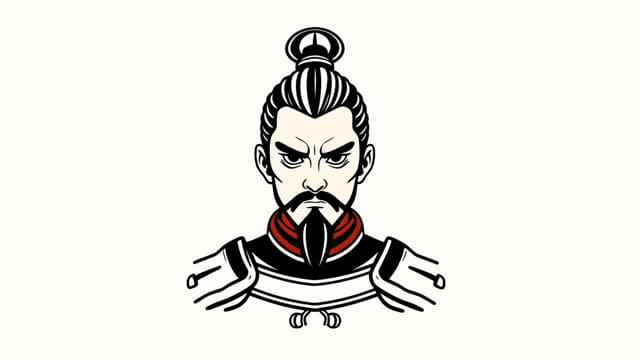
In the final moments of Ghost of Tsushima, players are faced with one of the most emotionally charged decisions in the game killing or sparing Lord Shimura. This choice doesn’t just determine the outcome of a duel; it symbolizes the personal and philosophical journey of Jin Sakai. It is a moment where tradition, honor, family, and personal growth collide. The decision to kill or spare Lord Shimura is more than just a moral dilemma it defines the legacy of the Ghost and what path the player believes Jin should walk after everything he has sacrificed to free Tsushima from Mongol rule.
The Significance of Lord Shimura
More Than a Mentor
Lord Shimura is not simply Jin’s uncle. He is his adoptive father, his role model, and the man who tried to raise Jin with the code of the samurai. Throughout the game, Shimura represents the traditional values of honor, loyalty, and duty to one’s lord and the shogun. However, these ideals are tested when faced with the brutal reality of the Mongol invasion.
A Symbol of the Old World
Shimura embodies the samurai code in its purest form. His insistence on honorable combat, direct confrontation, and absolute obedience to authority make him a symbol of Japan’s rigid class structure and warrior ethics. But these very ideals are shown to be inadequate when faced with an unconventional threat like Khotun Khan. As the Ghost, Jin breaks from tradition, choosing stealth, deception, and survival over honor. This divergence is what ultimately puts him at odds with Shimura.
Context Behind the Final Choice
Conflict Between Ghost and Samurai
By the end of the game, Jin has saved Tsushima, but at great personal cost. He has betrayed the samurai code and defied the shogun’s authority. Lord Shimura, bound by his duty, is ordered to kill Jin to restore the honor of their clan. Rather than allow someone else to do it, he chooses to face Jin himself in a final duel. It is here that the player is given the choice to kill Lord Shimura and grant him an honorable death, or to spare him and reject the violent legacy of their past.
The Emotional Weight
This decision is deeply personal. Lord Shimura still loves Jin like a son, even as he carries out his duty. Jin, torn between love for his uncle and the path he’s chosen, must decide whether to end his uncle’s life or walk away from everything the samurai stood for. There is no right answer only what the player feels Jin has become.
Killing Lord Shimura
The Path of Honor
If Jin kills Lord Shimura, it is a final act of respect. Shimura asks for an honorable death, as tradition dictates. Killing him acknowledges their shared code, their family bond, and offers closure. It is a painful choice, but one that preserves dignity for both characters. For many, it feels like the natural conclusion to the tragedy of their relationship.
Consequences of the Kill
- Shimura dies with honor, as a true samurai.
- Jin upholds part of the samurai code, despite all that has changed.
- The Ghost, though victorious, remains tied to his old identity in some way.
Player Reflection
Choosing to kill Shimura forces players to confront the idea that even in victory, sacrifice is necessary. It may feel like a return to the roots of the samurai honor above all. For some, this brings peace. For others, it is a heartbreaking step backward.
Sparing Lord Shimura
The Path of Change
If Jin spares Shimura, he fully embraces the Ghost persona. He breaks the cycle of violence and rejects the idea that honor must come at the cost of life. Sparing Shimura means Jin is creating a new code one based on compassion, adaptation, and future survival rather than rigid tradition.
Consequences of Sparing
- Shimura is left alive, but shamed and grieving.
- Jin walks away, officially breaking ties with the samurai class.
- The Ghost lives on, a symbol of rebellion and evolution.
Player Reflection
Sparing Shimura represents growth and transformation. It is a hopeful yet lonely decision. Players who choose this path often see Jin as a revolutionary someone who believes that there is a better way forward for Tsushima, one that doesn’t require blind adherence to old rules.
Which Choice Is Better?
No Canon Ending
Ghost of Tsushima leaves the final decision entirely to the player. There is no ‘true’ or canon ending. Both choices are valid and carry deep emotional and thematic significance. The game respects the player’s interpretation of Jin’s character, and the narrative supports both outcomes equally.
It Depends on Your Jin
Some players see Jin as a warrior torn by guilt and responsibility killing Shimura may bring emotional closure. Others see him as a symbol of change, and sparing Shimura is a declaration that the world must evolve. Your decision reflects the Jin you have shaped through your gameplay and choices.
Community Perspectives
Split Opinions
The fanbase is divided over which choice feels more appropriate. Some appreciate the emotional finality of killing Shimura. Others are moved by the message of mercy and personal growth in sparing him. Both camps agree that it is one of the most impactful choices in modern gaming.
Emotional Aftermath
Regardless of the path chosen, players report feeling emotional turmoil after the decision. That’s a testament to the writing and performances that brought Jin and Shimura to life. It’s a choice that lingers, sparking discussions and debates long after the credits roll.
Legacy of the Ghost
Beyond Tradition
Ultimately, the question of killing or sparing Lord Shimura reflects the larger theme of Ghost of Tsushima the clash between tradition and innovation. The Ghost is not just a character, but a concept. It represents the idea that sometimes, survival and justice require new methods, new ideas, and the courage to defy what once seemed sacred.
Player Agency
The power of this ending lies in the player’s hands. It doesn’t offer a neat resolution, but it gives weight to your journey. You decide what kind of legacy Jin Sakai leaves behind one of sacrifice and duty, or of mercy and change.
Whether you chose to kill or spare Lord Shimura, your decision in Ghost of Tsushima is a personal one that reflects your values and your understanding of Jin’s evolution. Both outcomes carry emotional depth and lasting consequences. In the end, the choice is not about right or wrong, but about what future you envision for Jin and the island of Tsushima. It’s a powerful conclusion to a story that challenges players to question what it truly means to be honorable in a world that demands change.