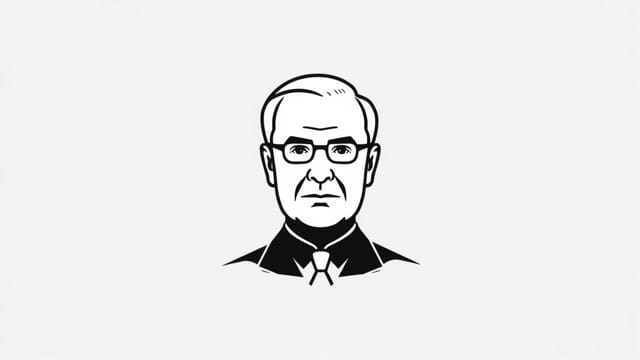
In the turbulent years that followed the end of World War II, Germany found itself divided and in the process of reconstructing both its physical infrastructure and its political system. Out of this division emerged two distinct states: East Germany (GDR) and West Germany (FRG). It was within this postwar landscape that West Germany established a new democratic government, and the first chancellor to lead the country during this critical period was Konrad Adenauer. His leadership became a defining chapter in German and European history, shaping the path toward recovery, unity, and stability in the wake of war and destruction.
Background of West Germany’s Formation
After the fall of Nazi Germany in 1945, the Allied powers divided the country into four zones of occupation American, British, French, and Soviet. Tensions soon grew between the Western Allies and the Soviet Union, leading to the formation of two German states in 1949. The Federal Republic of Germany (West Germany) was created in May of that year, consisting of the three Western zones. This new democratic state was based on a constitution known as the Basic Law (Grundgesetz), intended initially as a temporary solution until eventual reunification with the East.
The establishment of a stable and democratic government in West Germany required strong leadership. The country needed a figure who could inspire confidence, navigate the complexities of Cold War politics, and rebuild national identity while gaining international trust. That leader came in the form of Konrad Adenauer, who became the first postwar chancellor of West Germany in 1949.
Who Was Konrad Adenauer?
Konrad Adenauer was born in Cologne in 1876 and was a seasoned political figure even before World War II. He had served as the mayor of Cologne for many years and was known for his pragmatic approach to governance. A devout Catholic and committed anti-Nazi, Adenauer had been marginalized during the Nazi era, but he reemerged as a central political figure in the postwar era. He co-founded the Christian Democratic Union (CDU), which quickly became the dominant political party in West Germany.
Election and Role as Chancellor
In September 1949, following the first federal elections, Adenauer became chancellor at the age of 73. Despite his age, he proved to be a tireless and determined leader. His coalition government, composed primarily of the CDU and its allies, held a narrow majority in the Bundestag (parliament). Adenauer immediately set out to implement policies that would strengthen West Germany economically and politically, aligning the country with the Western bloc during the early stages of the Cold War.
Key Policies and Achievements
Integration with the West
One of Adenauer’s most significant priorities was aligning West Germany with the Western powers. He believed that close cooperation with Western Europe and the United States would ensure stability and security. His foreign policy decisions included:
- Joining the European Coal and Steel Community, a precursor to the European Union
- Entering NATO in 1955, formalizing military alliance with Western nations
- Negotiating the return of sovereignty through the BonnParis conventions
These moves helped establish West Germany as a central and trusted partner in the postwar European order.
Economic Recovery The Wirtschaftswunder
Under Adenauer’s leadership and with the economic expertise of his Minister of Economics, Ludwig Erhard, West Germany experienced an incredible economic recovery known as the Wirtschaftswunder or economic miracle. Fueled by the Marshall Plan and market-oriented reforms, the country’s industrial production surged, unemployment dropped, and living standards rose significantly. Adenauer’s government played a crucial role in maintaining political stability during this transformation.
Reconciliation and Diplomacy
Adenauer also sought to rebuild West Germany’s international reputation. He actively pursued reconciliation with countries affected by German aggression during World War II. His visit to Israel in 1960 marked an important moment in postwar diplomacy, signaling a willingness to take responsibility for the past and forge new partnerships based on trust and mutual respect.
Dealing with East Germany
Despite being firmly anti-communist, Adenauer did not ignore the existence of East Germany. However, he consistently opposed recognizing it as a legitimate state. His approach was based on the Hallstein Doctrine, a policy that refused diplomatic relations with any country that recognized the German Democratic Republic (GDR), reinforcing West Germany’s claim to be the sole legitimate representative of the German people.
Challenges and Criticisms
Adenauer’s long tenure as chancellor was not without criticism. He was known for his authoritarian leadership style and often marginalized opposition voices. His staunch anti-communist stance also led to tight control over political expression, particularly in the early 1950s. Critics accused him of placing too much emphasis on Western alignment at the expense of exploring reconciliation with East Germany.
Additionally, his decision to retain certain officials from the Nazi era in positions of authority was controversial. While this was often justified as a pragmatic necessity during reconstruction, it raised moral questions about the de-Nazification process.
Legacy of Konrad Adenauer
Konrad Adenauer remained chancellor until 1963, stepping down at the age of 87. His fourteen years in office made him one of the longest-serving leaders in German history. His legacy is defined by the stabilization of West Germany, its integration into the Western alliance, and the foundation for what would become the European Union.
Adenauer is remembered as a conservative yet visionary leader who helped steer Germany away from the devastation of war toward peace, prosperity, and democracy. His influence can still be seen in modern Germany’s political culture, commitment to European integration, and dedication to international cooperation.
The first postwar chancellor of West Germany, Konrad Adenauer, played an essential role in shaping the identity and destiny of a nation reborn from the ashes of conflict. His leadership during a critical juncture in European history ensured that West Germany not only survived but thrived. From forging diplomatic ties to guiding an economic revival, Adenauer’s tenure laid the groundwork for a modern, stable, and democratic Germany that continues to hold a leading role in global affairs today.