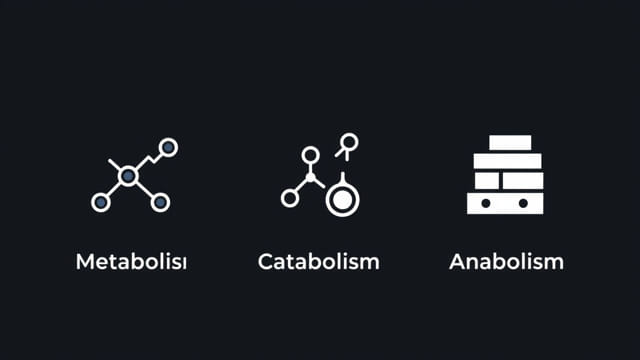
Metabolism is one of the most essential biological processes in the human body, involving all the chemical reactions that occur to maintain life. While the term metabolism is often used to describe how fast or slow someone burns calories, it actually encompasses a much broader range of functions. Two major components of metabolism are catabolism and anabolism, each with distinct roles. Understanding the difference between metabolism, catabolism, and anabolism helps us grasp how the body produces energy, builds new tissues, and breaks down nutrients. These processes are critical not only for energy balance but also for growth, repair, and overall health.
What Is Metabolism?
Metabolism refers to all the biochemical reactions that take place in cells to convert food into energy and other necessary substances. It includes every transformation of nutrients and chemicals that allow the body to function properly. From maintaining body temperature to synthesizing hormones, metabolism is constantly active even when we are sleeping.
Functions of Metabolism
- Converting food into usable energy (ATP)
- Eliminating waste products
- Building and repairing tissues
- Regulating body functions such as heart rate and breathing
Metabolism operates in two main phases: catabolism and anabolism. These two processes work in opposition but in harmony, maintaining balance in the body’s internal environment.
Understanding Catabolism
Catabolism is the phase of metabolism in which larger molecules are broken down into smaller units. This process releases energy, which the body uses to power different functions. Catabolism plays a crucial role in providing the fuel the body needs, especially during times of fasting, exercise, or stress.
Examples of Catabolic Reactions
- Breaking down carbohydrates into glucose
- Digesting proteins into amino acids
- Converting fat into fatty acids and glycerol
During catabolism, chemical bonds are broken through a series of enzymatic reactions, and this releases energy in the form of adenosine triphosphate (ATP). This ATP is then used to drive muscular movement, nerve activity, and other physiological actions.
Benefits and Roles of Catabolism
Catabolism is essential for:
- Energy production for daily activities
- Fueling the brain and muscles
- Breaking down nutrients for use in other metabolic pathways
However, excessive or uncontrolled catabolism such as during chronic stress, malnutrition, or illness can lead to muscle loss and fatigue. This is why balance is so important in metabolic health.
Understanding Anabolism
Anabolism is the opposite of catabolism. It refers to the set of metabolic pathways that build larger, complex molecules from smaller ones. This process requires energy rather than producing it. Anabolic reactions are vital for growth, healing, and maintaining body structure and function.
Examples of Anabolic Reactions
- Synthesis of proteins from amino acids
- Formation of glycogen from glucose
- Building muscle tissue from nutrients
Because anabolism involves the creation of new cells and tissues, it is highly active during childhood growth, wound healing, and muscle development. It relies on nutrients from food and the energy produced by catabolic reactions to function effectively.
Benefits and Roles of Anabolism
- Supports muscle growth and repair
- Helps form new tissues and organs
- Stores energy for future use
Anabolism is influenced by hormones like insulin, testosterone, and growth hormone. These chemicals signal the body to synthesize new materials and store nutrients when energy is abundant.
Metabolism vs Catabolism vs Anabolism
To summarize, metabolism is the umbrella term that covers both catabolism and anabolism. These processes are different yet interconnected. Catabolism provides the energy needed for anabolic reactions, while anabolism uses that energy to build and repair tissues.
Main Differences
| Feature | Metabolism | Catabolism | Anabolism |
|---|---|---|---|
| Definition | All chemical processes in the body | Breakdown of molecules to release energy | Building of molecules using energy |
| Energy Flow | Both uses and releases energy | Releases energy (ATP) | Consumes energy (ATP) |
| Examples | All bodily reactions | Digestion, cellular respiration | Muscle growth, tissue repair |
The human body constantly switches between catabolic and anabolic states depending on factors such as diet, physical activity, and hormonal signals. After a workout, for example, the body enters an anabolic state to repair muscle fibers, using energy derived from earlier catabolic processes.
Factors Affecting Metabolism
Several factors influence the rate and efficiency of metabolism, and by extension, catabolism and anabolism:
- Age: Metabolic rate tends to decrease with age.
- Gender: Males generally have higher basal metabolic rates than females.
- Body Composition: More muscle mass leads to higher metabolism.
- Diet: Protein-rich and balanced meals support anabolic processes.
- Physical Activity: Exercise boosts both catabolic and anabolic responses.
- Hormones: Thyroid hormones, insulin, cortisol, and testosterone regulate metabolic balance.
Understanding how these factors interact can help individuals tailor their lifestyles to support healthy metabolism. For example, resistance training promotes anabolism by encouraging muscle growth, while cardiovascular activity enhances catabolism for energy production.
How to Support a Balanced Metabolism
To keep metabolism functioning efficiently, it’s important to support both catabolic and anabolic processes through proper lifestyle choices:
- Eat a nutrient-rich diet with adequate protein, healthy fats, and complex carbs
- Stay physically active with a mix of aerobic and strength exercises
- Get enough sleep to allow the body to recover and build
- Stay hydrated to assist enzymatic reactions
- Manage stress to prevent excessive catabolism
Balance is key. Too much catabolism can lead to breakdown of tissues and fatigue, while unregulated anabolism can result in weight gain or imbalances in energy storage. A healthy lifestyle ensures that metabolism, catabolism, and anabolism work in harmony.
Metabolism is a complex but vital system that sustains life by balancing the opposing forces of catabolism and anabolism. While catabolism breaks down food and body tissues to release energy, anabolism uses that energy to build and maintain cells. Both are essential and interdependent. Understanding the relationship between these metabolic processes can lead to better health decisions, improved energy levels, and more effective strategies for fitness and nutrition. By maintaining metabolic balance, the body can function at its best repairing, growing, and energizing itself through every stage of life.