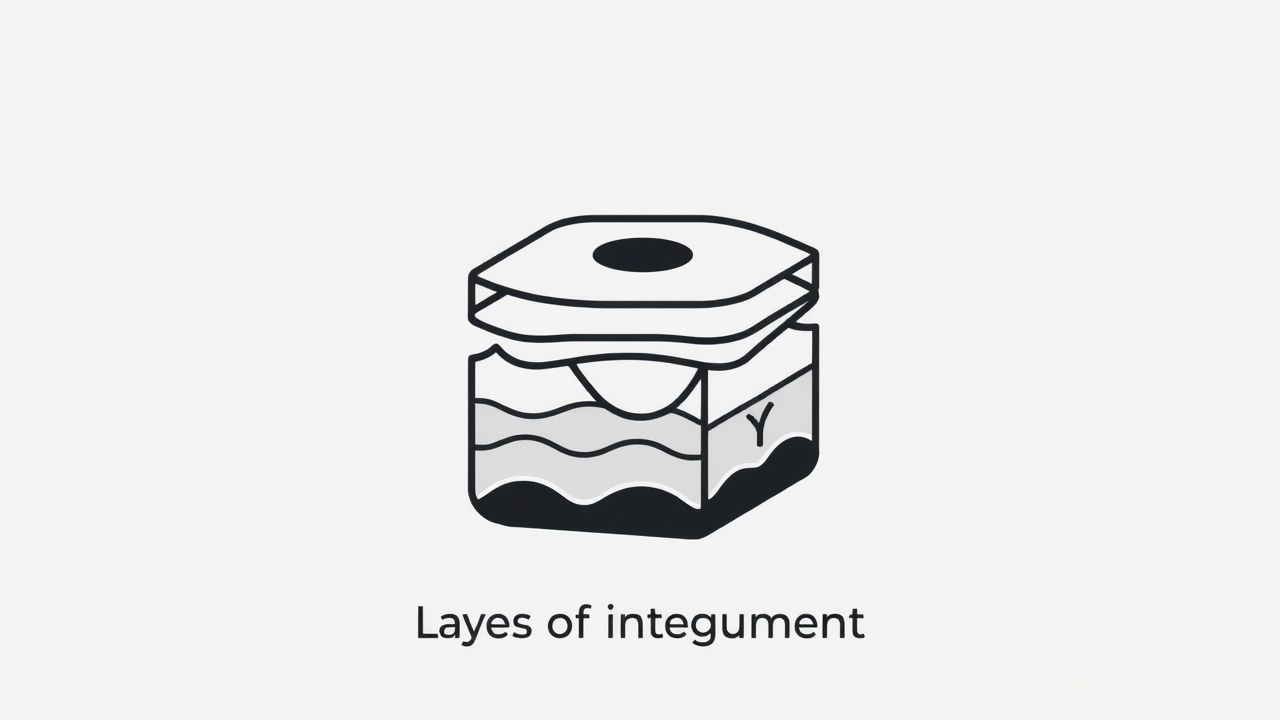
The integumentary system is the body’s outermost layer and serves as the first line of defense against environmental hazards. It is more than just skin it includes several layers, each with its unique structure and function. Understanding how to label the layers of the integument is essential in fields such as biology, anatomy, dermatology, and medical science. These layers work together to protect the body, regulate temperature, and provide sensory input. Exploring each layer in detail helps us appreciate the complexity and importance of our skin in maintaining overall health and well-being.
Overview of the Integumentary System
The integumentary system includes the skin and its associated structures like hair, nails, sweat glands, and oil glands. The skin itself is the body’s largest organ, accounting for about 16% of total body weight. When labeling the layers of the integument, we generally focus on the skin’s three main components:
- Epidermis
- Dermis
- Hypodermis (also known as subcutaneous tissue)
Each of these layers plays a distinct role and contains specific types of cells and structures that contribute to the skin’s function.
The Epidermis
The epidermis is the outermost layer of the skin and is made up primarily of keratinized stratified squamous epithelium. It serves as a protective barrier against pathogens, UV rays, and water loss. The epidermis is avascular, meaning it does not have blood vessels, and it relies on diffusion from the underlying dermis for nutrients.
Labeling the Layers of the Epidermis
The epidermis contains five distinct layers, especially in thick skin such as the palms of the hands and soles of the feet:
- Stratum Corneum: The outermost layer composed of dead, flattened keratinocytes. These cells are rich in keratin and form a tough, protective surface.
- Stratum Lucidum: Found only in thick skin, this thin, translucent layer provides an extra barrier of protection.
- Stratum Granulosum: Contains cells that begin to die and accumulate keratohyalin granules, important for forming the skin’s waterproof barrier.
- Stratum Spinosum: A thicker layer with cells connected by desmosomes, giving them a spiny appearance under a microscope.
- Stratum Basale (or Germinativum): The deepest layer where mitosis occurs. It contains melanocytes (producing melanin), Merkel cells (sensory), and basal cells (precursors to keratinocytes).
The epidermis is constantly regenerating, with cells from the stratum basale migrating upward and eventually shedding from the stratum corneum.
The Dermis
Beneath the epidermis lies the dermis, a thicker and more complex layer of skin composed mainly of connective tissue. It provides strength, elasticity, and support to the skin. The dermis is richly supplied with blood vessels, lymph vessels, nerves, and sensory receptors.
Layers of the Dermis
The dermis is divided into two layers:
- Papillary Layer: This is the upper portion of the dermis made of loose areolar connective tissue. It contains dermal papillae, which interlock with the epidermis and are responsible for fingerprints. Capillaries and sensory neurons are located here.
- Reticular Layer: The deeper and thicker part of the dermis, composed of dense irregular connective tissue. It houses hair follicles, sweat glands, sebaceous glands, and deep pressure receptors called Pacinian corpuscles.
These layers work together to nourish the epidermis, respond to stimuli, and support the overall integrity of the skin.
The Hypodermis (Subcutaneous Layer)
The hypodermis, also known as the subcutaneous layer, is located beneath the dermis. While not technically a part of the skin, it plays a vital role in anchoring the skin to underlying tissues and organs. It is made up primarily of adipose (fat) tissue and loose connective tissue.
Functions of the Hypodermis
- Provides insulation and helps regulate body temperature
- Acts as an energy reserve through fat storage
- Cushions and protects internal organs from mechanical shocks
- Contains larger blood vessels and lymphatics that supply the skin
This layer also helps in the delivery of medications and fluids when administered subcutaneously.
Associated Structures in the Integumentary System
In addition to the three main skin layers, the integumentary system includes several important accessory structures that are embedded primarily within the dermis and extend to or through the epidermis.
Hair Follicles and Hair
Hair originates in the hair follicle, located in the dermis. Each hair is composed of a shaft (above the surface) and a root (within the follicle). The bulb at the base of the follicle contains actively dividing cells. Arrector pili muscles are small smooth muscles connected to hair follicles that cause hair to stand up when cold or frightened.
Sebaceous Glands
These glands are attached to hair follicles and secrete sebum, an oily substance that lubricates the skin and hair. Sebum also plays a role in protecting the skin from microbial infections.
Sudoriferous (Sweat) Glands
There are two types of sweat glands:
- Eccrine glands: Found all over the body, they help regulate body temperature by secreting watery sweat.
- Apocrine glands: Found in areas like the armpits and groin, these glands become active during puberty and produce a thicker, protein-rich sweat.
Nails
Nails are hard, keratinized structures that protect the fingertips and enhance the sense of touch. The nail matrix, located under the skin behind the nail, is where nail growth originates.
Cells Found in the Integument Layers
Different types of cells are found throughout the layers of the integument, each performing specialized functions:
- Keratinocytes: The most abundant cells in the epidermis, responsible for producing keratin.
- Melanocytes: Found in the stratum basale, they produce melanin, which gives skin its color and protects against UV radiation.
- Langerhans Cells: Immune cells found in the stratum spinosum that detect and respond to pathogens.
- Merkel Cells: Sensory cells located in the stratum basale, involved in the sensation of touch.
- Fibroblasts: Present in the dermis, they produce collagen and elastin, giving skin its strength and elasticity.
Summary of Skin Layer Functions
Each layer of the integumentary system contributes in unique ways:
- Epidermis: Barrier against environment, prevents water loss, initiates immune response.
- Dermis: Provides strength and flexibility, houses sensory receptors, and supports blood supply.
- Hypodermis: Insulates, stores energy, and protects internal organs.
By labeling the layers of the integument and understanding their roles, students and health professionals can gain deeper insight into how the skin functions as a complex, vital organ. Proper identification also aids in diagnosing skin conditions, performing medical procedures, and understanding the body’s response to injury and healing.
The integument is a dynamic, multilayered system that serves as a protective shield and plays numerous roles in maintaining health. Labeling the layers of the integument involves recognizing the detailed structure of the epidermis, dermis, and hypodermis, as well as their associated components like glands, hair, and nails. This knowledge is essential not only for medical professionals and students but also for anyone interested in human biology. By learning to label and describe each layer accurately, we gain a better appreciation for the remarkable organ that is our skin.
#kebawah#