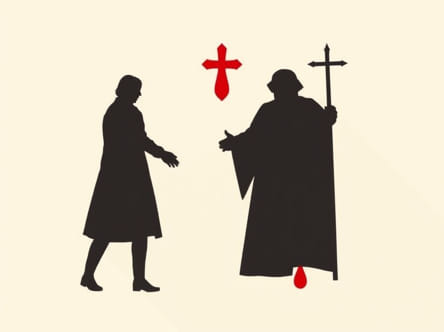
In William Shakespeare’s Macbeth, few images are as haunting and persistent as that of blood. From the early scenes of violent battle to the infamous hand-washing of Lady Macbeth, blood becomes a central symbol woven through the play’s dark themes of guilt, ambition, and moral corruption. As Macbeth climbs the treacherous path to power, the blood symbolism deepens, reflecting not only literal violence but also internal torment and irreversible moral decay. Understanding what blood symbolizes in Macbeth provides rich insight into the psychology of the characters and the tragic message of the play as a whole.
The Literal and Figurative Presence of Blood
At the surface level, blood in Macbeth represents the physical violence that dominates much of the action. The play begins with a brutal battle, where a wounded captain describes Macbeth’s valor as he unseamed [Macdonwald] from the nave to the chaps. Here, blood signifies bravery and honor, qualities that Macbeth initially seems to embody. However, as the narrative progresses, blood shifts in its meaning from nobility to guilt and psychological torment. This transformation in blood imagery parallels Macbeth’s descent from a loyal thane to a tyrannical murderer.
Blood as a Symbol of Guilt
One of the most powerful symbolic uses of blood in Macbeth is its representation of guilt. After Macbeth murders King Duncan, he stares at his blood-covered hands and declares, Will all great Neptune’s ocean wash this blood clean from my hand? In this moment, the blood on his hands transcends the literal and becomes emblematic of his overwhelming guilt and moral deterioration. He recognizes that no physical act of cleansing will free him from the psychological consequences of his actions.
Lady Macbeth, who initially dismisses his guilt with the cold advice, A little water clears us of this deed, eventually succumbs to the same symbolic burden. In her famous sleepwalking scene, she obsessively rubs her hands and cries, Out, damned spot! Out, I say! The imaginary bloodstain becomes the outward manifestation of her internalized guilt. Unlike Macbeth, who tries to bury his guilt under further violence, Lady Macbeth’s mind collapses under its weight.
Blood and the Loss of Humanity
Blood also reflects the erosion of humanity throughout the play. With each murder Macbeth commits Duncan, Banquo, Macduff’s family the presence of blood becomes more disturbing and unnatural. It ceases to merely represent violence and begins to symbolize Macbeth’s growing detachment from morality and human emotion. By the time he orders the slaughter of Macduff’s innocent wife and children, the shedding of blood has become routine, devoid of remorse or hesitation. This desensitization underscores how far Macbeth has fallen from his original self.
The Transformation of Macbeth’s Character Through Blood
Initially, Macbeth is deeply troubled by the sight and symbolism of blood. After killing Duncan, he is horrified by the blood on his hands and what it represents. However, as he commits more atrocities, his reaction changes. He grows more numb and indifferent, even stating, I am in blood / Stepp’d in so far that, should I wade no more, / Returning were as tedious as go o’er. In this line, he likens his journey of crime to crossing a river of blood he has gone too far to turn back. Blood here symbolizes the point of no return, a critical turning point in Macbeth’s moral decline.
Blood as a Reflection of Internal Conflict
Beyond external actions, blood in Macbeth serves as a mirror of the characters’ internal conflict. Both Macbeth and Lady Macbeth experience mental unraveling tied to their bloody deeds. Their minds become battlegrounds of fear, paranoia, and hallucination. Macbeth sees a vision of a bloody dagger leading him to Duncan’s chamber, and later, Banquo’s ghost appears at a banquet, drenched in blood. These spectral images of blood reflect the psychological torment they try but fail to suppress.
Lady Macbeth’s Psychological Breakdown
Lady Macbeth’s descent into madness is most vividly captured through her fixation on imagined blood. The bloodstained hands she cannot wash clean are a metaphor for the permanent stain of guilt on her conscience. Her dialogue becomes fragmented and filled with references to murder and blood, revealing how her mind is trapped in the aftermath of their crimes. Ultimately, blood symbolizes the emotional and mental breakdown that stems from repressed guilt.
The Broader Moral Implications of Blood
In Macbeth, blood functions as a broader moral warning. It illustrates that violence begets more violence, and guilt, once born, cannot be easily silenced. Shakespeare uses blood to explore the moral cost of unchecked ambition and the consequences of violating natural order. Every appearance of blood reinforces the tragic trajectory of Macbeth’s choices, showing how one crime leads to another, and how the soul becomes stained in the process.
Blood and the Natural Order
The murder of Duncan is not just a political crime it is a cosmic one. It disrupts the natural order and plunges Scotland into chaos. The imagery of blood spilling from a righteous king symbolizes the inversion of divine order, where evil triumphs over good, and chaos replaces harmony. As blood continues to flow, so too does the disintegration of social and natural balance. Shakespeare uses blood to connect personal guilt with national catastrophe.
Blood as the Emotional Core of Macbeth
Ultimately, blood is more than a motif in Macbeth it is the emotional core of the play. It carries the weight of guilt, the horror of murder, and the irreversible consequences of ambition. Through the evolving symbolism of blood, Shakespeare reveals the fragile boundary between humanity and savagery, sanity and madness. Each appearance of blood deepens the psychological and moral complexity of the characters, allowing readers and audiences to witness a terrifying transformation from noble warrior to doomed tyrant.
In exploring what blood symbolizes in Macbeth, we uncover the inner workings of Shakespeare’s darkest tragedy. It is through blood that the characters confront their guilt, lose their identity, and ultimately face their downfall. From beginning to end, the image of blood stains not just hands, but hearts, minds, and souls, leaving an unforgettable mark on the landscape of Shakespearean drama.