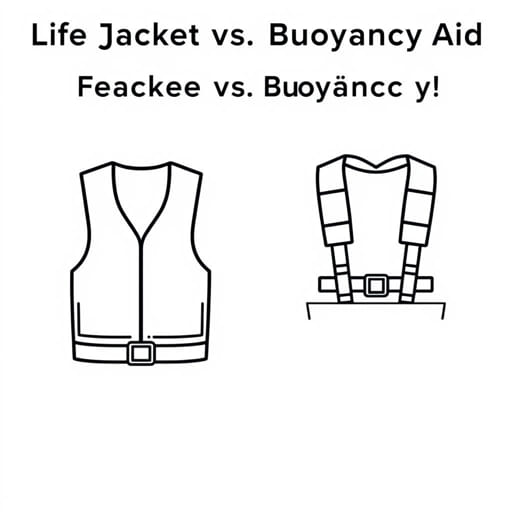
When it comes to safety on the water, selecting the right type of personal flotation device is crucial. People often confuse life jackets and buoyancy aids, assuming they serve the same purpose, but there are significant differences in design, function, and intended use. Understanding these differences is essential for ensuring safety during water activities, whether for boating, kayaking, or participating in water sports. Proper knowledge can prevent accidents, save lives, and provide confidence for those engaging in aquatic activities. Safety is not just about wearing something that floats; it’s about wearing the right equipment for the situation.
Understanding Life Jackets
Life jackets, also known as personal flotation devices (PFDs), are specifically designed to keep a person afloat in water, even if they are unconscious. They are built with buoyant materials that provide sufficient lift to turn an individual onto their back, keeping the head above water. Life jackets are regulated and tested to meet strict safety standards, ensuring they provide the intended protection in emergencies.
Key Features of Life Jackets
- High buoyancy to keep the wearer’s head above water.
- Designed for automatic turning of an unconscious person face-up.
- Secure straps and closures to prevent slipping off.
- Often include reflective materials or whistles for visibility and signaling.
Life jackets are ideal for situations where there is a high risk of falling into water, particularly for non-swimmers or when engaging in activities such as sailing, motor boating, or fishing. Their primary purpose is safety and survival, rather than mobility or comfort during active water sports.
Understanding Buoyancy Aids
Buoyancy aids are designed to assist with floating and provide support in the water, but they are not intended to turn an unconscious wearer face-up. They are commonly used for active water sports like kayaking, canoeing, windsurfing, and paddleboarding, where freedom of movement is critical. Unlike life jackets, buoyancy aids prioritize mobility and comfort, making them suitable for experienced swimmers who need support rather than complete rescue functionality.
Key Features of Buoyancy Aids
- Lower buoyancy compared to life jackets.
- Designed to allow freedom of arm and leg movement.
- Often slimmer and less bulky, improving mobility.
- May include pockets or attachment points for gear.
Buoyancy aids are not substitutes for life jackets in high-risk situations. They assume the wearer is capable of self-rescue or swimming to safety. Their design supports active engagement in water sports rather than passive survival in emergency conditions.
Comparing Life Jackets and Buoyancy Aids
Understanding the distinctions between life jackets and buoyancy aids helps users make informed decisions about water safety equipment. While both provide flotation, their intended functions differ significantly, affecting their choice depending on the activity.
Buoyancy and Safety
Life jackets provide higher buoyancy and are tested to support a person regardless of swimming ability. Buoyancy aids provide less buoyancy, sufficient for competent swimmers who need assistance but can manage in the water independently. Choosing a life jacket ensures survival for anyone, including non-swimmers, whereas a buoyancy aid is more suitable for active, confident swimmers.
Mobility and Comfort
Buoyancy aids are designed for maximum mobility, allowing unrestricted paddling, maneuvering, and swimming. Life jackets can be bulkier and restrict arm movement, which may be uncomfortable during active water sports. The trade-off is between safety and mobility, and selecting the right option depends on the nature of the activity.
Regulations and Standards
Life jackets are regulated under international safety standards such as ISO, CE, or US Coast Guard approvals. Buoyancy aids may also meet certain standards but are often less stringent since they are not intended for emergency rescue situations. Checking for certifications ensures that the equipment provides the expected level of protection.
Choosing the Right Device
Choosing between a life jacket and a buoyancy aid depends on several factors, including activity type, water conditions, swimming ability, and personal comfort. Here are some guidelines to consider when selecting the appropriate flotation device
- For motor boating, fishing, or any situation with a high risk of falling into deep water, a life jacket is the safest choice.
- For kayaking, canoeing, or paddleboarding, buoyancy aids are preferable for mobility and comfort.
- Non-swimmers or children should always wear certified life jackets for maximum safety.
- Consider water temperature and environmental factors; cold water increases risk and may necessitate a life jacket even for experienced swimmers.
Maintenance and Care
Proper maintenance ensures that life jackets and buoyancy aids perform effectively. Both types require regular inspection for wear and tear, checking straps, zippers, and buoyant materials. Cleaning with fresh water after exposure to saltwater, storing in a dry, ventilated area, and avoiding prolonged sun exposure will extend the life of the equipment.
Inspection Tips
- Check for rips, tears, or punctures in the fabric or foam material.
- Ensure all straps and buckles are functional and secure.
- Test buoyancy periodically, especially for foam-based devices that may degrade over time.
- Replace any equipment that shows signs of wear or reduced flotation.
Understanding the differences between life jackets and buoyancy aids is essential for safety on the water. Life jackets provide maximum buoyancy and protection, ideal for emergencies and non-swimmers. Buoyancy aids offer freedom of movement and comfort, suitable for active water sports with competent swimmers. Selecting the right device involves assessing the activity, water conditions, and the wearer’s abilities. Both devices require proper maintenance and regular inspection to ensure reliability. By making informed choices and using the right equipment, individuals can significantly reduce risks and enjoy safer experiences on the water.