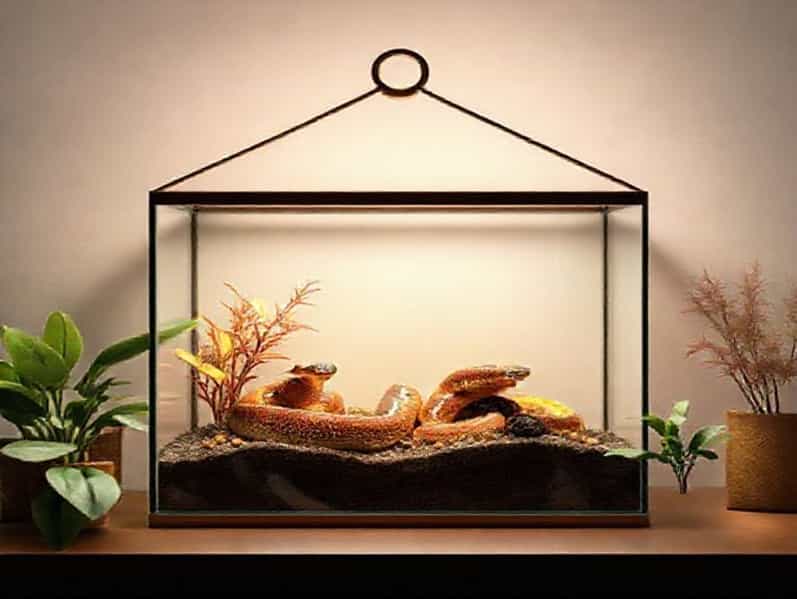
Setting up a proper vivarium for a corn snake is one of the most important steps in providing a healthy, stress-free, and naturalistic environment for your pet. Corn snakes are among the most popular reptiles kept in captivity because of their calm temperament, manageable size, and stunning color patterns. However, their well-being largely depends on how well their habitat mimics the conditions they would experience in the wild. A good corn snake vivarium setup ensures proper temperature, humidity, hiding spaces, and substrate all of which play essential roles in keeping your snake comfortable and thriving.
Understanding the Needs of a Corn Snake
Before setting up the vivarium, it’s essential to understand the basic environmental and behavioral needs of a corn snake. In their natural habitat, corn snakes are found throughout the southeastern United States. They prefer warm climates and are often found in forests, fields, and abandoned buildings where they can hide and hunt small prey. These natural tendencies should be reflected in their enclosure design. A successful corn snake vivarium setup aims to replicate these conditions as closely as possible.
Choosing the Right Vivarium
The size and type of vivarium are critical factors. Corn snakes are active and curious creatures that need adequate space to move and explore. For a hatchling, a 20-gallon tank is sufficient, but as the snake grows, an adult corn snake will need at least a 40-gallon vivarium. The enclosure should have a secure lid, as corn snakes are notorious escape artists.
There are two main types of vivariums suitable for corn snakes
- Glass vivariumsThese are easy to clean and provide great visibility. However, they may require extra insulation to maintain heat.
- Wooden vivariumsThese hold heat better and often come with built-in ventilation panels, but they can be harder to disinfect.
Whichever you choose, make sure it has good ventilation to prevent mold growth and maintain fresh air circulation.
Temperature and Heating Requirements
Corn snakes are ectothermic, meaning they rely on external heat sources to regulate their body temperature. A proper temperature gradient should be established in the vivarium, allowing the snake to move between warmer and cooler areas as needed. The warm side of the vivarium should be kept around 28 30°C (82 86°F), while the cool side should be maintained between 22 24°C (72 75°F).
To achieve this, use a heat mat or ceramic heat emitter controlled by a thermostat. Place the heat source under or above one end of the vivarium to create the desired gradient. Avoid using heat rocks, as they can cause burns. Monitoring the temperature with reliable thermometers on both sides of the tank is essential for the snake’s safety.
Humidity Control
Maintaining proper humidity is another key part of a corn snake vivarium setup. Corn snakes thrive in moderate humidity levels typically around 40 60%. Too much humidity can lead to respiratory problems, while too little can cause difficulties during shedding. Regular misting, along with providing a large water bowl, helps maintain the right humidity balance.
Place the water bowl on the cool side of the vivarium to prevent excessive evaporation. During shedding periods, increasing humidity slightly will make the process easier and ensure complete skin removal.
Lighting and Day-Night Cycle
While corn snakes do not require UVB lighting as strictly as some reptiles, providing a light source that mimics a natural day-night cycle is beneficial. A 12-hour light and 12-hour dark cycle helps maintain their natural rhythm. This can be achieved using a simple LED or fluorescent bulb placed outside the enclosure to avoid overheating.
If your home receives natural daylight, position the vivarium in a room with indirect sunlight. However, avoid placing it near windows, as direct sunlight can quickly overheat the enclosure.
Substrate Options
The substrate forms the base of your corn snake’s vivarium and plays a big role in both comfort and cleanliness. It should be absorbent, easy to clean, and safe for the snake. Common substrate options include
- Aspen shavingsOne of the most popular choices, aspen is absorbent and allows the snake to burrow.
- Coconut fiberHelps retain humidity and provides a natural look.
- Paper towels or reptile carpetEasy to clean and ideal for young or recovering snakes.
Avoid using cedar or pine shavings, as they contain oils that can be toxic to reptiles. Spot clean the substrate regularly and replace it completely every few weeks to maintain hygiene.
Decor and Enrichment
Corn snakes are naturally curious and need environmental enrichment to stay active and mentally stimulated. Adding decor to the vivarium not only enhances its appearance but also supports the snake’s natural instincts. Include multiple hiding spots one on the warm side and one on the cool side so the snake feels secure regardless of where it chooses to rest.
- HidesYou can use reptile hides, small caves, or even half logs for shelter.
- Climbing branchesCorn snakes enjoy light climbing, so adding sturdy branches or vines can encourage activity.
- PlantsReal or artificial plants can provide cover and help maintain humidity levels.
Be sure that all decor items are stable and cannot fall or trap the snake. Smooth surfaces and rounded edges are best to prevent injury.
Feeding and Water Setup
Feeding your corn snake properly is another essential aspect of care. They primarily eat rodents, and the prey should be appropriately sized about the same width as the thickest part of the snake’s body. Most owners feed frozen-thawed mice to ensure safety and convenience. Feed juveniles once every 5 7 days and adults once every 7 10 days.
Always provide clean, fresh water in a shallow bowl that is large enough for the snake to soak in if it chooses. Change the water daily to prevent bacterial buildup and ensure proper hydration.
Cleaning and Maintenance
Regular cleaning is crucial for maintaining a healthy vivarium environment. Remove feces, uneaten food, and shed skin promptly. Perform a full clean every 3 4 weeks by removing the substrate, disinfecting the surfaces, and rinsing thoroughly before replacing the materials. Use reptile-safe cleaning products to avoid chemical exposure.
Monitoring the vivarium’s conditions daily will help detect any problems early, such as incorrect temperatures, mold growth, or damaged decor. A clean, well-maintained enclosure directly contributes to the snake’s overall well-being and longevity.
Monitoring Behavior and Health
After setting up your corn snake vivarium, it’s important to observe the snake’s behavior. Signs of stress include constant hiding, refusal to eat, or attempts to escape frequently. A healthy corn snake should be active, alert, and shed its skin in one complete piece.
Environmental adjustments may be necessary if your snake shows signs of discomfort. For instance, if it spends all its time on the cool side, the warm end might be too hot. Conversely, lingering only on the warm side may indicate that the cooler end is too cold. Consistent monitoring ensures that the setup remains ideal throughout different seasons.
Creating the perfect corn snake vivarium setup requires careful attention to temperature, humidity, lighting, substrate, and decor. Each element contributes to building an environment that promotes natural behaviors and supports good health. By investing time and effort into proper enclosure design, owners can ensure their corn snake lives a long, active, and stress-free life. The key is to replicate the natural habitat as closely as possible while maintaining a clean and safe space for exploration and comfort. A well-balanced vivarium not only enhances your snake’s well-being but also allows you to enjoy observing one of nature’s most fascinating reptiles in a setting that mirrors its wild home.