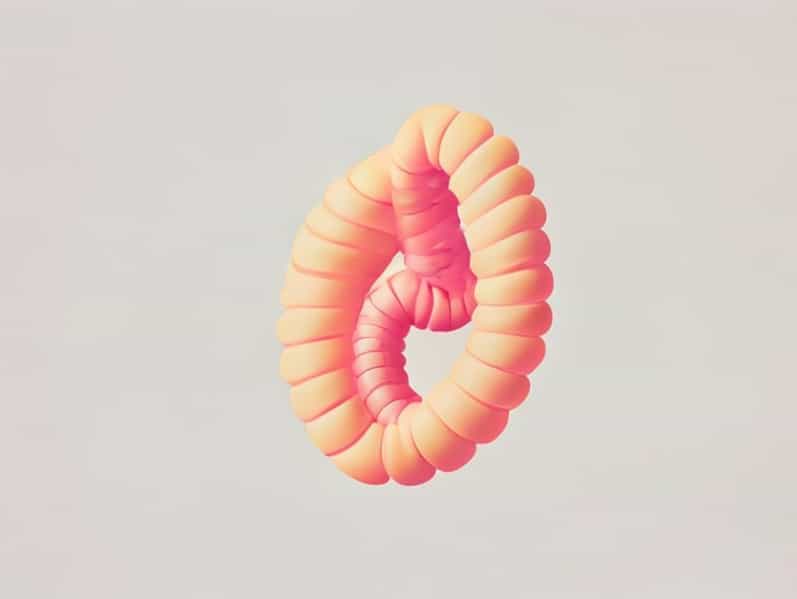
In the human body, the digestive system works through a series of complex and coordinated movements that ensure food travels efficiently from one organ to another. One of the most important of these movements is called peristalsis. This process is essential for digestion and absorption because it helps move food through the esophagus, stomach, intestines, and eventually out of the body. Understanding the significance of peristalsis provides insight into how the body processes nutrients and maintains overall health.
What Is Peristalsis?
Peristalsis refers to the wave-like muscular contractions that occur in the walls of hollow organs, such as the esophagus, stomach, and intestines. These rhythmic contractions move food and fluids through the digestive tract. The process is involuntary, meaning it happens automatically under the control of the autonomic nervous system. Peristalsis is not limited to digestion; similar movements can also be found in other systems like the urinary tract and reproductive organs.
How Peristalsis Works in the Digestive System
The mechanism of peristalsis begins when food enters the digestive tract. The muscles in the walls of the digestive organs are arranged in two main layers an inner circular layer and an outer longitudinal layer. When these muscles contract and relax alternately, they create waves that push food along the tract. For example, in the esophagus, peristalsis helps move swallowed food toward the stomach. In the intestines, it mixes the food with digestive enzymes and moves it toward the rectum for elimination.
The Role of Peristalsis in Different Parts of the Digestive Tract
Peristalsis occurs throughout the entire digestive system, but its role and intensity vary depending on the organ involved.
Peristalsis in the Esophagus
After swallowing, peristaltic waves in the esophagus propel food downward toward the stomach. Even if a person is lying down or upside down, these waves ensure that food reaches the stomach due to the strength and coordination of muscular contractions. This is why gravity is not required for swallowing.
Peristalsis in the Stomach
In the stomach, peristalsis plays a crucial role in mixing and churning food with gastric juices. These movements help break down solid food into a semi-liquid mixture known as chyme. Once the chyme is ready, peristaltic contractions push it into the small intestine through the pyloric sphincter.
Peristalsis in the Intestines
In the small intestine, peristalsis helps move chyme slowly to allow enough time for nutrients to be absorbed into the bloodstream. The large intestine also relies on peristalsis to move waste products toward the rectum. Stronger, less frequent peristaltic waves, known as mass movements, occur in the colon to help expel fecal matter from the body.
Importance of Peristalsis in Digestion
The significance of peristalsis extends beyond simple movement. It ensures that every part of the digestive system performs efficiently, promoting nutrient absorption and waste elimination. Without peristalsis, food would remain stagnant, leading to serious digestive issues.
- Efficient food transportPeristalsis ensures that food moves at a controlled rate, preventing blockages and allowing each organ to perform its digestive function effectively.
- Mixing of digestive juicesThe rhythmic contractions mix food with enzymes and digestive juices, improving chemical digestion and nutrient breakdown.
- Prevention of bacterial overgrowthContinuous movement prevents food from remaining too long in one place, reducing the risk of bacterial accumulation and infections.
- Elimination of wasteIn the large intestine, peristalsis helps compact and push waste toward elimination, maintaining bowel regularity.
Disorders Related to Impaired Peristalsis
When peristalsis does not function properly, several medical conditions can arise. These disorders can cause discomfort, malnutrition, and even serious health complications. Understanding them highlights how vital peristalsis is to overall well-being.
Gastroesophageal Reflux Disease (GERD)
GERD occurs when the lower esophageal sphincter fails to close properly, allowing stomach acid to flow back into the esophagus. Weakened or uncoordinated peristalsis can contribute to this condition by failing to move acid away effectively.
Paralytic Ileus
Paralytic ileus is a temporary loss of peristaltic movement in the intestines. It can occur after surgery, infection, or certain medications. When this happens, food and gas accumulate, leading to bloating, nausea, and abdominal pain.
Achalasia
Achalasia is a rare condition in which the esophagus loses its ability to perform coordinated peristaltic contractions. This prevents food from moving into the stomach, causing difficulty swallowing and regurgitation of undigested food.
Irritable Bowel Syndrome (IBS)
In IBS, peristaltic movements can become irregular or overly intense. This leads to symptoms such as diarrhea, constipation, or alternating patterns of both. The imbalance in peristaltic rhythm affects how efficiently the intestines process and move contents.
How the Nervous System Controls Peristalsis
The enteric nervous system, often called the second brain of the gut, plays a major role in regulating peristalsis. It operates independently but communicates with the central nervous system to coordinate muscle contractions. Signals from the brain and local sensory receptors trigger peristaltic waves when food or pressure is detected in the digestive tract. This precise coordination ensures smooth and efficient movement throughout digestion.
Factors That Influence Peristaltic Activity
Several factors can affect how well peristalsis functions. Some of these are natural, while others are influenced by lifestyle and health conditions.
- Dietary fiberA diet rich in fiber stimulates peristalsis by adding bulk to stool and promoting regular bowel movements.
- HydrationAdequate water intake keeps the digestive tract lubricated and supports smooth peristaltic motion.
- Physical activityExercise enhances circulation and stimulates intestinal muscles, promoting regular peristaltic function.
- MedicationsCertain drugs, such as opioids or anticholinergics, can slow peristalsis and cause constipation.
- Emotional stateStress and anxiety can alter peristaltic rhythms by affecting the gut-brain connection.
Maintaining Healthy Peristalsis
Supporting healthy peristaltic movement is key to a well-functioning digestive system. People can maintain proper peristalsis through balanced nutrition, regular exercise, and mindful eating habits. Consuming plenty of fiber from fruits, vegetables, and whole grains helps regulate intestinal contractions. Drinking enough water and avoiding excessive processed foods also contribute to smoother digestion. In addition, managing stress through relaxation techniques can help keep peristaltic movements steady and efficient.
Peristalsis is a vital physiological process that enables the digestive system to function properly. It moves food through the body, mixes it with digestive enzymes, and ensures nutrients are absorbed efficiently. When peristalsis is disrupted, various digestive disorders can occur, affecting health and quality of life. By understanding the significance of peristalsis and adopting habits that support it, individuals can promote optimal digestion and maintain overall well-being. This intricate mechanism reminds us that even the smallest muscular movements play a crucial role in sustaining life and health.