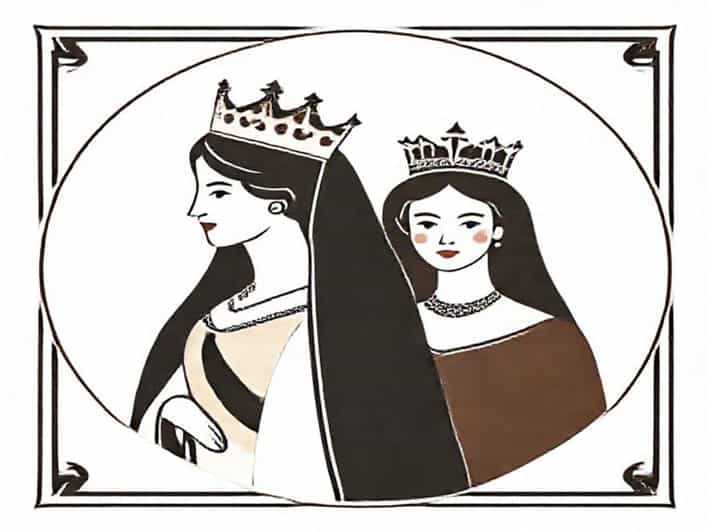
Queen Mary of the United Kingdom and Czarina Alexandra of Russia were two of the most prominent royal figures of the early twentieth century, whose lives intertwined with history, politics, and personal tragedy. Both women wielded significant influence in their respective courts while navigating the complexities of monarchy during periods of social and political upheaval. Queen Mary, consort to King George V, played a stabilizing role in the British monarchy, promoting tradition and duty, while Czarina Alexandra, wife of Nicholas II, faced immense scrutiny and controversy, particularly during the Russian Revolution. The lives of these two women reflect the pressures, responsibilities, and personal sacrifices inherent in royal life, as well as their enduring legacies in European history.
Early Life and Background of Queen Mary
Queen Mary, born Mary of Teck in 1867, was a member of the German aristocracy, with strong connections to European royal families. Her upbringing emphasized duty, decorum, and the importance of maintaining royal traditions. She was initially engaged to Prince Albert Victor, Duke of Clarence, who died unexpectedly, and later married his brother, George V. Queen Mary was known for her meticulous attention to detail, particularly in matters of court protocol, attire, and public presentation. Her influence extended to both domestic and international affairs, where she worked to strengthen the monarchy’s reputation and maintain stability during challenging times, including World War I.
Key Traits and Achievements
- Dedication to duty and royal protocol.
- Support for her husband, King George V, in political and ceremonial matters.
- Preservation of royal traditions during periods of social change.
- Philanthropic engagement, particularly during wartime and in support of veterans.
Queen Mary’s disciplined approach and keen understanding of royal responsibilities earned her respect within Britain and among European monarchies, establishing her as a model of regal composure and resilience.
Early Life and Background of Czarina Alexandra
Czarina Alexandra, born Princess Alix of Hesse in 1872, was a granddaughter of Queen Victoria, linking her closely to the British royal family. She married Nicholas II, the last emperor of Russia, and became deeply involved in both family and state matters. Alexandra was known for her devotion to her children, particularly her hemophiliac son, Alexei, which influenced many of her decisions. Her reliance on the mystic Rasputin and her perceived detachment from Russian political realities contributed to widespread public criticism and mistrust, which ultimately played a role in the destabilization of the Russian monarchy during the early twentieth century.
Key Traits and Challenges
- Deep devotion to family and maternal responsibilities.
- Strong religious faith and personal convictions.
- Controversial political influence due to reliance on Rasputin.
- Facing intense scrutiny from both the Russian populace and foreign observers.
Alexandra’s life was marked by tragedy and political turmoil, contrasting with Queen Mary’s relatively stable role, yet both women shared the burdens and expectations of royalty in a rapidly changing Europe.
Royal Duties and Public Perception
Queen Mary and Czarina Alexandra both faced immense pressures to embody the ideals of monarchy, though their public perception varied significantly. Queen Mary was often seen as a stabilizing figure, upholding tradition and demonstrating steadfastness during World War I and other crises. She was respected for her discretion, dignity, and unwavering support of her husband. In contrast, Czarina Alexandra’s image was complicated by political unrest, rumors surrounding Rasputin, and her German heritage, which fueled suspicion during World War I. While both women were dedicated to their roles, public sentiment and historical context heavily influenced how they were perceived and remembered.
Comparative Public Perception
- Queen Mary Admired for tradition, composure, and resilience.
- Czarina Alexandra Criticized for perceived political meddling and reliance on mysticism.
- Shared Experiences Both faced the challenge of maintaining authority and dignity in the public eye.
- Legacy Queen Mary’s legacy is largely positive, while Alexandra’s is intertwined with the fall of the Russian monarchy.
The contrasting experiences highlight how external pressures, historical events, and personal decisions shaped their public images and historical legacies.
Family Life and Personal Sacrifices
Both Queen Mary and Czarina Alexandra were deeply committed to their families, though the nature of their personal sacrifices differed. Queen Mary was a mother to six children, balancing maternal responsibilities with her public duties. She ensured her children were prepared for royal life, instilling in them a sense of duty, discipline, and decorum. Alexandra, on the other hand, faced the added strain of managing a fragile heir whose health was constantly at risk. Her intense focus on her son’s well-being often influenced her political decisions, adding a personal dimension to her public challenges.
Family and Royal Responsibilities
- Queen Mary Focused on family stability, education of children, and adherence to royal tradition.
- Czarina Alexandra Devoted to her children, particularly Alexei, balancing personal fears with imperial duties.
- Shared Experiences Both experienced the tension between private life and public obligations.
- Impact Family life significantly shaped their actions, decisions, and legacies.
Understanding their family dynamics provides insight into the personal pressures behind their royal personas and the ways in which their private lives influenced historical events.
Historical Context and Political Influence
The historical periods during which Queen Mary and Czarina Alexandra lived were marked by political upheaval, war, and social transformation. Queen Mary navigated the challenges of World War I, the Irish question, and the changing nature of the British Empire. She played a stabilizing role, supporting the monarchy’s adaptation to new political realities. Alexandra, in contrast, confronted the pressures of World War I, the rise of revolutionary movements, and widespread dissatisfaction with the Russian monarchy. Her decisions, influenced by personal beliefs and advisers, had significant political consequences, ultimately contributing to the fall of the Romanov dynasty.
Impact on Monarchy
- Queen Mary Strengthened the resilience of the British monarchy during a period of change.
- Czarina Alexandra Decisions and associations intensified public distrust and political instability.
- Historical Lessons Both demonstrate the influence of royal consorts on governance and public perception.
- Enduring Legacy Queen Mary’s efforts reinforced monarchy continuity, while Alexandra’s experience highlights vulnerability to social upheaval.
The political context in which they operated underscores the delicate balance between personal influence, public perception, and historical forces that shaped their reigns.
Legacy and Historical Significance
Queen Mary and Czarina Alexandra left enduring marks on European history, albeit in different ways. Queen Mary is remembered for her role in preserving royal traditions, supporting her husband, and guiding the monarchy through turbulent times. Czarina Alexandra’s legacy is often associated with tragedy, the challenges of leadership under duress, and the human dimension of historical events leading to the Russian Revolution. Both women exemplify the complex interplay between personal character, royal duty, and historical circumstances, offering rich insights into the role of consorts in shaping the course of history.
Legacy Comparison
- Queen Mary Symbol of duty, resilience, and the continuity of the British monarchy.
- Czarina Alexandra Represents personal devotion, political controversy, and the vulnerabilities of absolute monarchy.
- Shared Influence Both shaped the perception and functioning of their respective royal households.
- Historical Lessons Their lives highlight the intersection of personal choice, public expectation, and historical forces.
The comparison of Queen Mary and Czarina Alexandra offers a deeper understanding of the challenges and responsibilities faced by royal consorts, and how their actions reverberated across history.
Queen Mary and Czarina Alexandra, though contemporaries and connected through European royal networks, had vastly different experiences that reflect the complexities of monarchy in the early twentieth century. Queen Mary’s disciplined, stabilizing presence contrasts with Alexandra’s tumultuous, often controversial life, yet both navigated immense personal and political pressures. Their legacies continue to inform historical perspectives on royalty, duty, and the human dimension of leadership. By examining their lives, we gain insight into the delicate balance between public duty and private life, the challenges of political influence, and the enduring impact of royal women on European history. Together, they represent the contrasting realities of monarchy, highlighting both the privileges and burdens inherent in royal life.