The Jacobean period, which spans from 1603 to 1625 during the reign of King James I of England, marked a distinct phase in English history, culture, and literature. This era followed the Elizabethan period and was characterized by both continuity and significant transformation. It was a time of political tension, religious conflict, artistic innovation, and literary brilliance. With the flourishing of drama, the evolution of prose and poetry, and a dark, introspective turn in the arts, the Jacobean era remains a rich field of study for historians and literary scholars alike. Understanding the characteristics of the Jacobean period helps to illuminate the complexities of English Renaissance culture and its enduring legacy.
Political and Religious Climate
Monarchical Authority and Divine Right
One defining characteristic of the Jacobean period was its political structure, centered around the monarchy. King James I was a staunch believer in the divine right of kings a doctrine asserting that monarchs derive their authority directly from God, not from their subjects. This belief shaped his governance and led to tensions with Parliament, which sought greater influence in state matters.
Religious Conflicts and the King James Bible
The religious landscape of the Jacobean era was fraught with conflict. Although James I was a Protestant, he faced pressures from both Puritans and Catholics. The Gunpowder Plot of 1605, a failed attempt by Catholic conspirators to assassinate the king, heightened fears of religious extremism. In an effort to establish religious unity, James I commissioned a new English translation of the Bible the King James Version (1611) which became one of the most influential texts in the English language.
Jacobean Literature
Darker Themes in Drama
Jacobean literature, particularly drama, took a darker and more cynical turn compared to the idealism of the Elizabethan era. Themes such as corruption, revenge, mortality, and the fragility of human existence dominated the stage. This period saw the continuation of William Shakespeare’s work, including his later tragedies like King Lear, Macbeth, and Othello, which reflect the era’s preoccupation with human fallibility and political instability.
Rise of Revenge Tragedy
The Jacobean period witnessed the rise of the revenge tragedy, a theatrical genre marked by plots centered around vengeance, deception, and bloodshed. Playwrights such as John Webster and Thomas Middleton became prominent during this time. Webster’s The Duchess of Malfi and Middleton’s The Revenger’s Tragedy are notable examples, showcasing intricate plots and a pessimistic worldview.
Prose and Sermons
Aside from drama and poetry, prose writing flourished in the Jacobean period. Writers like Francis Bacon advanced the essay form, combining intellectual insight with stylistic precision. Religious sermons by figures such as Lancelot Andrewes also gained importance, reflecting the deep religious tensions and theological debates of the time.
Jacobean Architecture and Design
Fusion of Renaissance and Gothic Elements
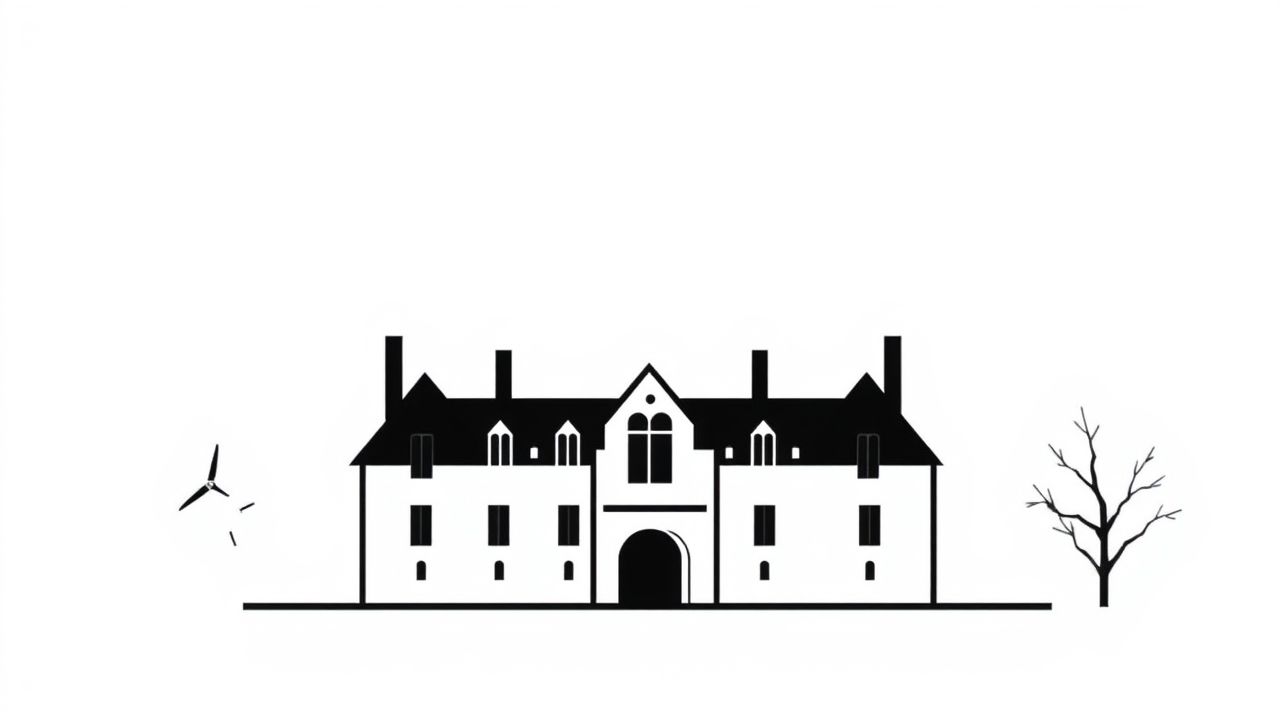
Jacobean architecture represented a fusion of the ornate Renaissance style with traditional Gothic elements. The structures of this time often included intricate wood carvings, elaborate chimneys, and geometrically patterned brickwork. Symmetry and classical proportions were emphasized, reflecting the influence of Italian and Flemish architectural styles.
Interior Design and Furniture
Interiors during the Jacobean period were characterized by heavy, dark wooden furniture, often intricately carved. Upholstered chairs, paneled walls, and large fireplaces were common features. These elements combined to create a stately and imposing atmosphere within domestic spaces, suited to the tastes and power of the rising aristocracy.
Fashion and Social Hierarchy
Opulence in Clothing
Fashion in the Jacobean era reflected status and wealth. Nobles wore luxurious fabrics such as silk, velvet, and brocade. Both men and women adorned themselves with lace collars, elaborate embroidery, and fine jewelry. Sumptuary laws continued to regulate what different classes could wear, reinforcing social hierarchies.
Gender Roles and Expectations
Society in the Jacobean period was patriarchal, with clearly defined gender roles. Women were generally expected to be submissive, chaste, and obedient. However, literature and drama from this period occasionally featured complex female characters who defied these expectations, reflecting growing tensions in traditional gender dynamics.
Philosophy and Scientific Thought
Early Scientific Inquiry
Although the Scientific Revolution was still in its early stages, the Jacobean era contributed to the advancement of scientific and philosophical thought. Thinkers like Francis Bacon championed empiricism and the scientific method, laying the groundwork for future developments. His works, including Novum Organum, emphasized observation and experimentation as the basis for acquiring knowledge.
Interest in the Supernatural
Despite an emerging interest in science, belief in the supernatural remained widespread. Witchcraft trials, astrology, and alchemical practices were still common. Literature from the period often included references to ghosts, witches, and the mystical, blending superstition with intellectual curiosity.
Art and Visual Culture
Portraiture and Symbolism
Visual art during the Jacobean era was dominated by portraiture. Artists such as Robert Peake the Elder and William Larkin captured the likenesses of nobility with meticulous detail. Symbolism played a key role in these works, with objects and backgrounds often conveying messages about the subject’s virtues, status, or profession.
Masques and Court Entertainment
The court of James I was known for its lavish entertainments, including masques elaborate theatrical performances involving music, dance, and spectacular costumes. Designed by playwright Ben Jonson and architect Inigo Jones, these productions celebrated royal authority and classical mythology, blending artistic disciplines into immersive spectacles.
Economic and Colonial Developments
Growth of Trade and Exploration
The Jacobean period saw continued expansion of English trade and colonial ambition. The establishment of the Virginia Company and the founding of Jamestown in 1607 marked the beginning of sustained English colonization in North America. These ventures were motivated by economic opportunity, national prestige, and religious motives.
Urbanization and Social Change
As trade increased, cities like London grew rapidly, attracting people from rural areas in search of work and opportunity. This urbanization brought both prosperity and social challenges, including overcrowding, crime, and poverty. Writers and thinkers of the era often reflected these changes in their work, portraying the complexities of modern life.
Legacy of the Jacobean Period
The Jacobean era left a profound legacy in English culture. Its literature, especially in drama and prose, has had a lasting impact on Western literature. The political and religious ideas of the period continue to influence discussions about governance and belief. Its art, architecture, and fashion offer insight into the values and aesthetics of the early seventeenth century.
While the Jacobean period was relatively short, it was marked by remarkable creativity, deep intellectual engagement, and cultural transformation. From the haunting themes of its theater to the rich symbolism of its visual art and the intricate power struggles of its politics, the Jacobean era remains a vital chapter in the history of the English Renaissance. Understanding the characteristics of the Jacobean period enriches our appreciation of this pivotal time and its enduring influence on the modern world.