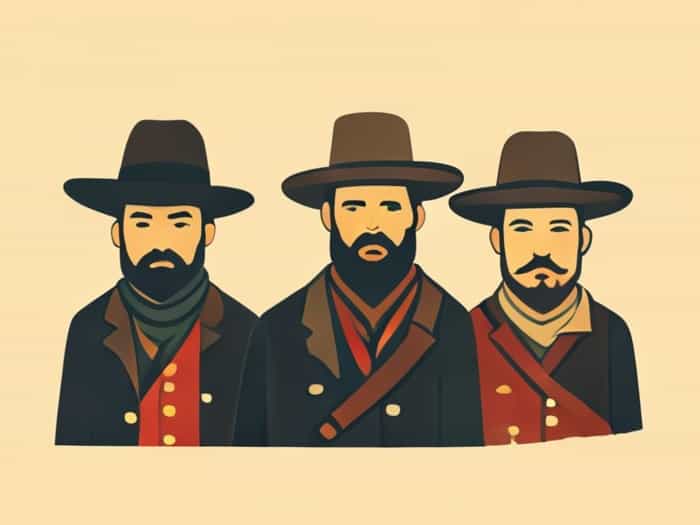
When we think about the early days of American exploration and settlement, the image of frontiersmen comes to mind-rugged individuals who braved the wilderness and lived far from cities and established society. These men, often hunters, trappers, and explorers, relied on practical clothing to survive the harsh conditions of the frontier. So, what did frontiersmen wear? Their outfits were not chosen for fashion but for durability, comfort, and usefulness in an environment that demanded resilience. Every piece of clothing they wore had a purpose, reflecting the realities of survival in untamed lands.
Materials Used in Frontiersmen Clothing
Frontiersmen lived at a time when clothing had to be handmade, often from natural materials readily available in their environment. The materials they chose directly influenced the style and function of their clothing.
Common Fabrics and Materials
- Deerskin and BuckskinThe most iconic fabric, valued for toughness and flexibility.
- WoolUsed for warmth, especially in colder climates.
- LinenLightweight and breathable, suitable for undergarments.
- FurEssential for cold winters, often used in coats, hats, and blankets.
These materials were often prepared and stitched by the frontiersmen themselves or traded from Native Americans who had mastered tanning and leatherworking techniques.
The Typical Outfit of a Frontiersman
The clothing of a frontiersman varied by region, season, and personal preference, but several staples were consistently worn. Their clothing needed to allow movement, withstand weather, and offer protection from brush, insects, and wild animals.
Buckskin Shirts and Pants
Buckskin shirts and pants became the trademark of frontier life. Made from tanned deer hides, these garments were durable and naturally resistant to tearing. They often had fringe along the seams, not just for decoration but to help rainwater run off the fabric more easily. Buckskin was also quieter than woven cloth, making it ideal for hunters who needed to move silently through the woods.
Coats and Outerwear
In colder seasons, frontiersmen wore heavy coats made from wool or fur. A popular choice was the capote, a long, hooded coat often made from a wool blanket. It provided warmth and could be fashioned relatively easily from materials obtained through trade with Native Americans or fur traders.
Shirts and Undergarments
Beneath the outer layers, frontiersmen wore linen or cotton shirts when available. These were often loose-fitting, long-sleeved, and extended down to the thighs. Undergarments were basic, serving the purpose of adding comfort under heavier clothing and helping to keep outer garments cleaner.
Headgear Worn by Frontiersmen
No outfit was complete without a hat, and headgear played both practical and symbolic roles in frontier life. Hats offered protection from the sun, rain, and cold, while also serving as an identifying feature of an individual.
Popular Types of Hats
- Coonskin CapsFamously associated with men like Davy Crockett, these were made from raccoon pelts, complete with the tail.
- Wide-brimmed HatsOften felt or straw, designed to provide shade and shield against rain.
- Fur CapsEssential for winter wear, lined with fur for warmth.
Though not every frontiersman wore a coonskin cap, the image became iconic thanks to folklore and popular culture.
Footwear on the Frontier
Practical footwear was vital for frontiersmen who spent long hours walking, hunting, and working outdoors. Shoes and boots were not just accessories-they were survival tools.
Types of Footwear
- MoccasinsLightweight, flexible, and easily repaired. Adopted from Native American designs, moccasins allowed quiet movement and comfort on rugged terrain.
- BootsLess common in the wilderness due to difficulty in making them, but when available, leather boots offered extra ankle protection.
Moccasins were especially popular because they could be made with local materials and provided superior adaptability to rough landscapes compared to hard-soled shoes.
Accessories and Practical Gear
Frontiersmen carried more than just clothing; their gear was essential for survival. Many accessories served both practical and protective purposes, blending into their overall attire.
Common Accessories
- Belts and SashesUsed to carry knives, pouches, or powder horns.
- Powder HornsCarried black powder for rifles, often slung across the shoulder.
- Pouches and BagsMade of leather, used for carrying tools, food, or fire-starting materials.
- BlanketsWool blankets often doubled as cloaks, coats, or bedding.
Every accessory was practical, with little room for unnecessary decoration in daily frontier life.
Influence of Native American Clothing
Native American influence on frontier fashion cannot be overstated. Many of the styles, materials, and techniques adopted by frontiersmen were borrowed or directly traded from Indigenous tribes. Moccasins, buckskin garments, and fringe were all staples rooted in Native traditions, adapted for European settlers’ needs.
Examples of Influence
- Use of natural dyes to color garments.
- Decorative beadwork or quillwork for personal items.
- Adoption of fringed buckskin clothing for durability and function.
This blending of traditions created the practical yet distinctive wardrobe associated with frontiersmen.
Seasonal Adjustments in Clothing
Frontiersmen had to adapt their clothing based on the time of year and the climate of their region. Their wardrobes shifted with the seasons to ensure survival.
Summer Clothing
In warmer months, lighter linen or cotton shirts with breeches or buckskin pants were worn. Moccasins remained standard footwear, and wide-brimmed hats provided sun protection.
Winter Clothing
During harsh winters, heavy wool coats, fur-lined hats, mittens, and layered buckskin kept frontiersmen warm. Multiple layers were crucial for insulation in freezing conditions.
The Legacy of Frontiersmen Clothing
Today, the clothing of frontiersmen remains a strong symbol of early American resilience and ingenuity. Reenactors, historians, and outdoor enthusiasts continue to recreate these outfits, honoring the resourcefulness of those who carved out lives in untamed territories.
Modern Influence
- Outdoor wear still uses buckskin and leather for durability.
- Coonskin caps and buckskin jackets remain cultural symbols of frontier life.
- Moccasins continue to influence modern footwear designs.
The clothing of the frontiersmen represents not just survival but also a cultural blending of European settlers and Native Americans.
So, what did frontiersmen wear? Their clothing was practical, durable, and influenced by both necessity and cultural exchange. Buckskin shirts, moccasins, coonskin caps, wool coats, and handmade accessories made up their typical attire. Each garment had a purpose, from providing warmth to aiding in hunting, and every piece reflected the rugged lifestyle of men who thrived on the edge of civilization. The frontier wardrobe remains a lasting reminder of human adaptability, resilience, and ingenuity in the face of the wild.