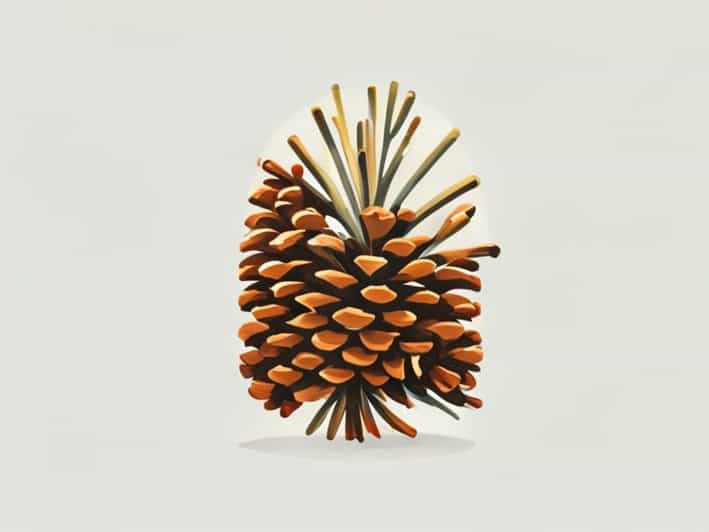
Roasting piñon, also known as pine nuts, is a culinary practice that brings out the rich, nutty flavor of these small seeds. Piñon has been a staple in Southwestern cuisine for centuries, prized for its delicate taste and versatility in cooking. Roasting enhances the natural oils in the nuts, giving them a warm, aromatic flavor that complements both savory and sweet dishes. Whether you are preparing them for snacking, baking, or adding to a traditional piñon coffee or pesto, knowing how to roast piñon correctly can make a significant difference in taste and texture.
Understanding Piñon Nuts
Piñon nuts are the seeds of certain pine tree species, commonly found in the Southwestern United States and Mexico. They are small, oval-shaped, and have a soft, buttery texture. Raw piñon has a mild flavor, but when roasted, the taste becomes more complex and pronounced, releasing subtle hints of sweetness and earthiness. Understanding the characteristics of piñon is essential for roasting them effectively, as over-roasting can easily lead to bitterness or a burnt flavor.
Choosing the Right Piñon
Before roasting, selecting high-quality piñon is crucial. Fresh piñon should be plump, firm, and free from cracks or discoloration. Store-bought piñon may be sold shelled or unshelled; shelled nuts are convenient for quick roasting, while unshelled piñon may require additional preparation but can retain freshness longer. Always check for any signs of rancidity, as pine nuts are rich in oils and can spoil if stored improperly.
Preparation for Roasting
Proper preparation ensures even roasting and optimal flavor. Start by spreading the piñon nuts in a single layer on a baking sheet or in a dry skillet. Avoid overcrowding, as this can result in uneven cooking. Some people like to lightly rinse the nuts and pat them dry, though this is optional. It is also important to preheat your oven or skillet to the correct temperature, as this will prevent burning and allow the natural oils to develop fully during roasting.
Oven Roasting Method
Oven roasting is a popular method for achieving uniform results. Follow these steps
- Preheat the oven to 350°F (175°C).
- Spread the piñon in a single layer on a baking sheet lined with parchment paper.
- Place the baking sheet in the oven and roast for 5 to 10 minutes, stirring or shaking the sheet halfway through to ensure even browning.
- Keep a close eye on the nuts, as they can quickly go from golden brown to burnt.
- Remove the piñon from the oven once they have a light golden color and a fragrant aroma.
After roasting, allow the nuts to cool completely before storing or using them in recipes. This helps preserve their texture and prevents residual heat from continuing to cook them.
Skillet Roasting Method
Skillet roasting is a faster method and allows for more control over the process. To roast piñon on a stovetop
- Heat a dry skillet over medium heat.
- Add the piñon in a single layer, ensuring they are not overcrowded.
- Stir or shake the pan frequently to prevent uneven roasting and burning.
- Roast for 3 to 5 minutes, until the nuts turn golden brown and release a nutty aroma.
- Remove the skillet from heat and transfer the piñon to a plate to cool.
Skillet roasting offers the advantage of constant monitoring, reducing the risk of burning compared to oven roasting.
Tips for Perfectly Roasted Piñon
Achieving perfectly roasted piñon requires attention to detail. Here are some tips to enhance your results
- Do not leave the nuts unattended, as they can burn quickly due to their high oil content.
- Stir frequently when using a skillet or shake the baking sheet in the oven to promote even roasting.
- Use moderate heat; high temperatures can quickly scorch the nuts and create a bitter taste.
- For added flavor, consider tossing the nuts with a pinch of salt or a drizzle of olive oil before roasting.
- Allow the piñon to cool completely before grinding or adding to dishes, as residual heat can continue to cook them.
Storing Roasted Piñon
Proper storage ensures that roasted piñon retains its flavor and texture. Keep them in an airtight container at room temperature for up to two weeks. For longer storage, consider refrigerating or freezing the nuts, which can extend their shelf life for several months. Always check for freshness before use, as pine nuts are sensitive to oxidation and can develop a rancid taste over time.
Using Roasted Piñon in Recipes
Roasted piñon adds a nutty, rich flavor to a variety of dishes. They can be sprinkled over salads, mixed into baked goods, or incorporated into sauces like pesto. In Southwestern cuisine, roasted piñon is often used in savory dishes with meats, vegetables, and grains. Additionally, some recipes call for grinding the roasted nuts into a paste for spreads or sauces, enhancing flavor and texture. Roasted piñon can even be enjoyed on its own as a simple, nutritious snack.
Enhancing Flavors
Roasted piñon pairs well with herbs, spices, and other nuts. Adding them to dishes with rosemary, thyme, or cinnamon can elevate the overall taste. For desserts, consider combining roasted piñon with chocolate, honey, or dried fruits to create complex flavor profiles. Their versatility makes them a valuable ingredient in both traditional and modern culinary applications.
Roasting piñon is a straightforward process that transforms these delicate nuts into a flavorful, aromatic ingredient suitable for a wide range of dishes. Whether using an oven or a skillet, proper preparation, attentive cooking, and careful storage are essential for optimal results. By understanding the nuances of piñon roasting, cooks can enhance both the taste and texture of their culinary creations. From sprinkling over salads to incorporating into sauces and desserts, roasted piñon is a versatile ingredient that elevates any meal, offering a rich, nutty flavor that is both distinctive and satisfying.