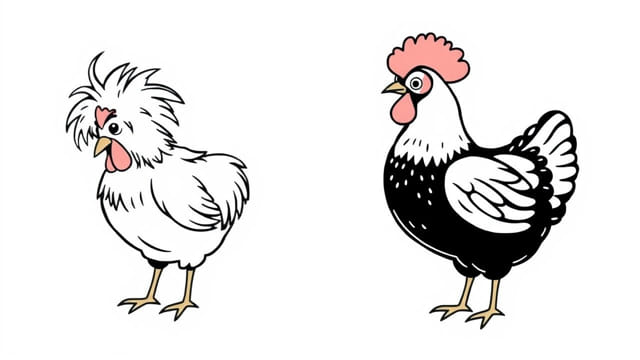
When diving into the world of backyard poultry, enthusiasts often encounter a variety of chicken breeds with unique appearances and personalities. Among these are the frizzle chicken and a lesser-known term that sometimes pops up in conversation: the frazzle chicken. While the two sound similar and share some visual traits, they are not the same. Understanding the differences between frizzle chickens and frazzle chickens is important for those considering breeding, caring for, or simply learning more about these fascinating birds. This topic explores the distinct characteristics, origins, care needs, and breeding considerations associated with each type.
What Is a Frizzle Chicken?
Defining Frizzle Genetics
Frizzle chickens are not a breed themselves but a type of chicken with a specific genetic trait. The frizzle gene causes the feathers to curl outward and away from the body instead of lying flat like those of most chickens. This gives the bird a ruffled, fluffy appearance that many find charming and whimsical.
Breeds That Can Be Frizzled
Several breeds can carry the frizzle gene. Some of the most common include:
- Cochin
- Polish
- Pekin (Bantam)
- Japanese Bantam
- Silkie (though more rare)
When a chicken from any of these breeds inherits one copy of the frizzle gene, it will show the frizzled feather effect while maintaining overall health and vigor.
Appearance and Temperament
Frizzled chickens are known for their soft, outward-curling feathers that can sometimes make them appear larger than they actually are. Their friendly and gentle nature makes them popular among backyard keepers and hobbyists. They are generally calm birds, good with children, and often enjoy human interaction.
Feather Care and Weather Sensitivity
Because their feathers don’t lay flat, frizzled birds are not as weather-resistant as other chickens. They may struggle to stay warm in wet or cold environments and should be kept dry and protected during harsh weather. Their unique feathers also make them less capable of flying or escaping predators, which makes secure housing essential.
What Is a Frazzle Chicken?
Genetic Origins and Health Risks
A frazzle chicken results from breeding two frizzled chickens together, which leads to offspring with two copies of the frizzle gene. This is a genetic mistake that causes excessively brittle, weak, and sometimes sparse feathers. The frazzle gene combination is known to compromise the health and well-being of the chicken.
Visual Differences from Frizzles
While frizzle chickens have full, curled feathers that maintain some structure, frazzles often look disheveled or partially bald. Their feathers are so delicate that they easily break or fall out. This can leave the bird vulnerable to environmental conditions and can even impact its ability to regulate body temperature.
Health Issues in Frazzle Chickens
Frazzle chickens are at a much higher risk of physical problems, including:
- Feather loss and skin exposure
- Increased susceptibility to cold and heat
- Weakened immune systems
- Shorter lifespan
Because of these issues, responsible breeders avoid intentionally creating frazzle chickens. Breeding two frizzled birds is considered unethical in most poultry communities due to the health concerns it creates for the offspring.
Frizzle Chicken vs Frazzle Chicken: Key Differences
Feather Quality and Appearance
Frizzles have soft, curved feathers that provide a full-bodied appearance. They are visually appealing and often used in poultry shows. In contrast, frazzles have poor feather coverage, breakable shafts, and an overall unhealthy look. They may appear patchy or nearly featherless, especially around the neck and wings.
Genetic Makeup
- Frizzle: Carries one copy of the frizzle gene (heterozygous).
- Frazzle: Carries two copies of the frizzle gene (homozygous), which leads to feather abnormalities.
Health and Longevity
Frizzle chickens are generally healthy when bred responsibly. With good care and proper shelter, they can live normal lifespans like other chickens. Frazzles, however, face chronic health challenges and often live shorter lives due to the stress placed on their bodies from defective feathers and temperature sensitivity.
Breeding Ethics
Responsible breeders follow guidelines to avoid frazzle outcomes. A frizzled chicken should only be bred with a smooth-feathered bird to reduce the chance of producing frazzle chicks. This ensures strong genetics and healthier, more sustainable poultry populations.
Care Considerations for Frizzle Chickens
Special Housing Needs
Frizzle chickens benefit from enclosed coops that shield them from wind, rain, and cold. Because of their poor insulation, they should not be exposed to extended periods of dampness or low temperatures. Provide plenty of dry bedding and keep their environment draft-free.
Diet and Nutrition
These chickens do not require a special diet beyond what is suitable for other breeds. However, a high-protein diet during molting season may help them regenerate lost feathers more efficiently. Supplementing with vitamins and minerals can also boost feather and skin health.
Predator Protection
Frizzles are less agile and often lack the ability to fly. Secure fencing and a locked coop are necessary to protect them from predators, especially at night. Because their appearance may draw attention, they can be more vulnerable to attack.
Why Choose Frizzle Chickens?
Backyard Charm and Personality
Frizzle chickens are adored for their unique, showy look and sweet temperament. They make excellent additions to small flocks and are ideal for beginners or families with children. Their friendly demeanor and easygoing nature make them a joy to raise.
Show Birds and Hobbyists
Many poultry enthusiasts enter frizzle chickens into local and national shows. Their eye-catching feathers and rare appearance often earn them top honors in exhibition competitions. Even among seasoned chicken keepers, frizzles remain a standout breed variation.
The difference between frizzle chickens and frazzle chickens lies in their genetics, health, and overall care needs. While frizzles are charming, healthy birds when bred responsibly, frazzles result from poor breeding choices that compromise the bird’s welfare. Knowing the difference helps ensure ethical poultry practices and promotes the health of backyard flocks. If you’re looking for a fun, friendly, and visually stunning chicken, the frizzle makes a fantastic option. Just be sure to avoid breeding two frizzles together to keep your flock healthy and thriving.