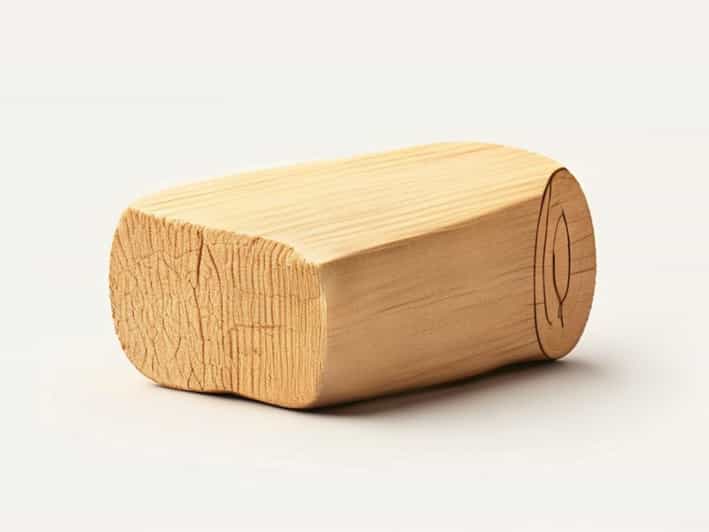
Balsa wood is one of the most well-known lightweight woods used in various industries ranging from model building to aerospace applications. Despite its low density, it possesses a remarkable combination of strength and flexibility, which makes it suitable for applications that require a high strength-to-weight ratio. One of the critical properties that engineers, hobbyists, and researchers often examine is the yield strength of balsa wood. Yield strength determines the amount of stress the material can withstand before it begins to deform permanently, making it an essential factor in structural design, material selection, and performance evaluation.
Understanding Yield Strength
Yield strength, also referred to as the elastic limit, is the stress at which a material transitions from elastic deformation to plastic deformation. For balsa wood, this property is particularly significant because it dictates how the wood behaves under compression, tension, and bending forces. Knowing the yield strength allows designers to ensure that structures made from balsa wood can carry expected loads without experiencing permanent deformation or failure. The value of yield strength depends on various factors, including the wood’s density, moisture content, grain orientation, and age.
Factors Affecting Yield Strength of Balsa Wood
The yield strength of balsa wood is not a fixed value and can vary significantly depending on several influencing factors. Understanding these factors helps engineers and hobbyists make informed decisions when using balsa wood for construction or modeling purposes.
- DensityDenser balsa wood typically exhibits higher yield strength. The density varies depending on the growth conditions of the tree, and it directly correlates with mechanical performance.
- Moisture ContentThe water content within balsa wood affects its stiffness and strength. Higher moisture content generally reduces yield strength, while well-dried wood maintains greater structural integrity.
- Grain OrientationBalsa wood is anisotropic, meaning its properties differ along different axes. Yield strength is higher along the grain (longitudinal direction) compared to across the grain (radial or tangential directions).
- Temperature and EnvironmentExposure to extreme temperatures or environmental conditions can alter the wood’s mechanical properties, potentially reducing yield strength over time.
Typical Yield Strength Values
Balsa wood exhibits a range of yield strength values depending on its density and other factors. In general, the longitudinal yield strength, which is measured along the grain, can range between 10 to 30 megapascals (MPa) for commercially available balsa wood. Transverse yield strength, measured across the grain, is significantly lower, often ranging between 1 to 5 MPa. These values highlight the importance of considering the orientation of wood in applications where load-bearing capacity is critical.
Comparing Balsa Wood to Other Woods
While balsa is extremely lightweight, its yield strength per unit density is quite impressive compared to other common woods. For example, hardwoods like oak and maple have higher absolute yield strengths, but their densities are much greater, making balsa preferable in applications where minimizing weight is crucial. This characteristic is why balsa is often used in aerospace models, wind turbine prototypes, and lightweight structural panels where both strength and low mass are essential.
Applications Relying on Yield Strength
The yield strength of balsa wood influences a wide variety of practical applications. Knowing the limits of deformation is essential to avoid structural failures and ensure safety. Some common applications include
- Model Aircraft and DronesBalsa wood is frequently used for building model airplanes, gliders, and drones due to its high strength-to-weight ratio.
- Structural PanelsIn composite sandwich structures, balsa wood often serves as a core material, providing strength while minimizing weight.
- Marine ApplicationsBalsa is used in boat hull cores where strength and buoyancy are important.
- Educational and Hobby ProjectsUnderstanding the yield strength is crucial for students and hobbyists constructing bridges, towers, or load-bearing models.
Testing Yield Strength of Balsa Wood
To determine the yield strength of balsa wood accurately, standardized testing methods are used. These include tension, compression, and bending tests conducted according to ASTM or ISO standards. During testing, specimens are prepared with controlled dimensions and moisture content. A universal testing machine applies increasing loads until permanent deformation occurs, and the corresponding stress is recorded as the yield strength. Accurate testing ensures reliable data for designers and engineers using balsa wood in critical applications.
Design Considerations for Engineers
When incorporating balsa wood into designs, engineers must consider the material’s anisotropic nature and variable yield strength. For load-bearing applications, aligning the grain with the direction of stress maximizes structural performance. Additionally, safety factors are applied to account for natural variations in density and possible environmental effects. Engineers also consider hybrid structures, where balsa wood is combined with other materials to enhance overall strength while keeping weight low.
Maintenance and Preservation
Balsa wood’s mechanical properties, including yield strength, can be preserved by proper storage and maintenance. Keeping the wood dry, avoiding prolonged exposure to sunlight, and protecting it from fungal or insect attack are essential steps. Treatments such as sealing or varnishing can enhance durability, especially in applications exposed to moisture or outdoor conditions. Preserving the yield strength ensures that the wood maintains its intended load-bearing performance over time.
The yield strength of balsa wood is a critical parameter that determines its suitability for a wide range of applications, from lightweight aircraft models to structural panels in engineering projects. Although it is a low-density wood, its high strength-to-weight ratio makes it unique and valuable for designers and hobbyists alike. Factors such as density, moisture content, grain orientation, and environmental exposure play significant roles in determining its mechanical performance. By understanding these variables and accurately testing yield strength, users can optimize the performance of balsa wood in both practical and creative applications. Proper design, maintenance, and knowledge of material properties ensure that balsa wood continues to serve as a reliable and versatile material across multiple industries.