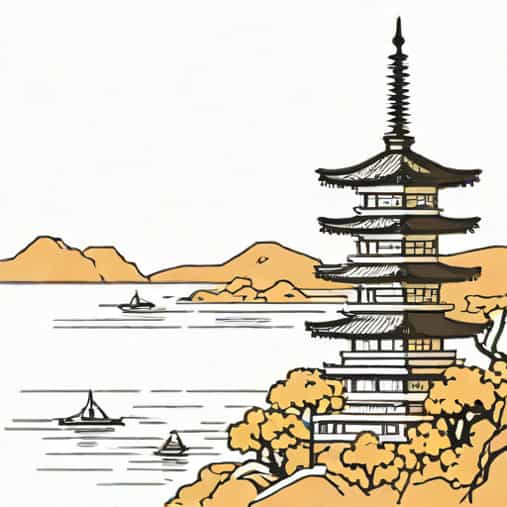
The Ryukyu Islands are a chain of islands located in the southwestern part of Japan, stretching from Kyushu to Taiwan. These islands have a unique history, culture, and geography that distinguish them from mainland Japan. For centuries, the Ryukyu Islands operated as an independent kingdom, known as the Ryukyu Kingdom, with its own political system, language, and trade networks. Today, however, they are officially part of Japan, forming Okinawa Prefecture and several smaller administrative divisions. Understanding the historical, cultural, and geopolitical context of the Ryukyu Islands provides a deeper insight into why they are considered part of Japan and how they maintain their unique identity within the country.
Geographical Location and Overview
The Ryukyu Islands, sometimes called the Nansei Islands, consist of over 150 islands spanning approximately 1,000 kilometers from the southern tip of Kyushu to northern Taiwan. Major islands in the chain include Okinawa, Amami, Miyako, and Yaeyama. The islands are characterized by a subtropical climate, rich biodiversity, coral reefs, and volcanic landscapes. Their strategic location in the East China Sea and the Pacific Ocean has historically made them a hub for maritime trade and a significant military point, which continues to influence Japan’s defense and international policies today.
Political Status
Today, the Ryukyu Islands are officially part of Japan. The largest island, Okinawa, is the administrative center of Okinawa Prefecture. This prefecture is one of Japan’s 47 administrative divisions and includes many of the smaller surrounding islands. The integration of the Ryukyu Islands into Japan occurred in the late 19th century after the Meiji Restoration. The Ryukyu Kingdom was formally annexed in 1879, and the islands were reorganized under the Japanese government. Despite being part of Japan, the islands retain a distinct cultural identity, with local languages, customs, and traditions that differ from the Japanese mainland.
Historical Context
Understanding the historical background of the Ryukyu Islands is crucial to appreciating their relationship with Japan. The Ryukyu Kingdom existed for several centuries as an independent entity, maintaining trade relations with China, Korea, Southeast Asia, and Japan. The kingdom had its own royal court, legal system, and cultural practices. In the early 17th century, the Ryukyu Kingdom became a vassal state of the Satsuma Domain in southern Japan but continued to exercise significant autonomy. This dual influence allowed the islands to develop a unique cultural blend while gradually integrating into the Japanese political framework.
Annexation by Japan
In 1879, the Japanese government formally annexed the Ryukyu Kingdom, establishing Okinawa Prefecture. The annexation marked the end of the kingdom’s independence and initiated a process of assimilation into Japanese political, social, and educational systems. Over time, Japanese language, laws, and administrative structures were implemented across the islands. While annexation brought modernization and infrastructure development, it also led to tensions as local traditions and Ryukyuan identity were sometimes suppressed in favor of a unified national identity.
Cultural Significance
The Ryukyu Islands have maintained a rich and vibrant culture that differentiates them from mainland Japan. Traditional Ryukyuan arts, such as music, dance, crafts, and textiles, continue to thrive and are celebrated in festivals and ceremonies. The Ryukyuan language, which has several dialects, is distinct from standard Japanese and reflects the islands’ historical interactions with neighboring regions. Local cuisine, architecture, and religious practices also highlight the islands’ unique heritage. Despite political integration, cultural preservation remains a priority for many residents and organizations in the Ryukyu Islands.
Language and Traditions
The Ryukyuan language family includes several languages such as Okinawan, Amami, and Miyako, which are recognized as endangered by UNESCO. Efforts to revive and maintain these languages include educational programs, cultural workshops, and media initiatives. Traditional practices, including the Eisa dance, Shisa lion statues, and local festivals, are not only tourist attractions but also key components of local identity. These cultural elements demonstrate how the Ryukyu Islands maintain a distinct character while being politically part of Japan.
Economic and Strategic Importance
The Ryukyu Islands play an important role in Japan’s economy and national security. The islands’ subtropical climate and scenic landscapes make them a popular destination for tourism, contributing significantly to local economies. Agriculture, fishing, and aquaculture are also important economic activities. Strategically, the islands are home to several military bases, including U.S. forces, which serve as key points in regional security and defense strategies. The geopolitical importance of the Ryukyu Islands continues to influence Japan’s foreign policy and relations with neighboring countries.
Tourism and Local Economy
Tourism is a vital industry in the Ryukyu Islands. Visitors are attracted to the islands’ beaches, coral reefs, historical sites, and cultural festivals. Tourism supports local businesses, including hotels, restaurants, and artisan workshops, and helps preserve traditional crafts and cultural practices. Sustainable tourism initiatives aim to balance economic growth with environmental conservation, ensuring that the natural beauty and biodiversity of the islands are protected for future generations.
Contemporary Issues
Despite being part of Japan, the Ryukyu Islands face contemporary challenges. Issues such as economic disparities, environmental conservation, and the presence of military bases sometimes lead to tensions between local residents and government authorities. Additionally, efforts to preserve Ryukyuan culture and language require ongoing support in education and community programs. Understanding these contemporary issues provides a complete picture of life in the Ryukyu Islands and how residents navigate their dual identity as both part of Japan and members of a distinct cultural region.
Identity and Autonomy
Many residents of the Ryukyu Islands maintain a strong sense of local identity and pride in their unique heritage. Discussions about autonomy, cultural preservation, and regional governance continue, emphasizing the importance of recognizing the islands’ historical and cultural distinctiveness within the framework of Japan. These conversations highlight the balance between national integration and local identity, which shapes the social and political landscape of the Ryukyu Islands today.
the Ryukyu Islands are indeed part of Japan, both politically and administratively, as Okinawa Prefecture and several surrounding island groups. However, their rich history as an independent kingdom, distinctive culture, language, and strategic importance set them apart from the Japanese mainland. The islands represent a unique blend of tradition and modernity, local identity and national integration, making them a fascinating region within Japan. By understanding their history, culture, and contemporary significance, it becomes clear why the Ryukyu Islands are an integral yet distinct part of the Japanese nation, contributing to the country’s diversity, heritage, and strategic interests.