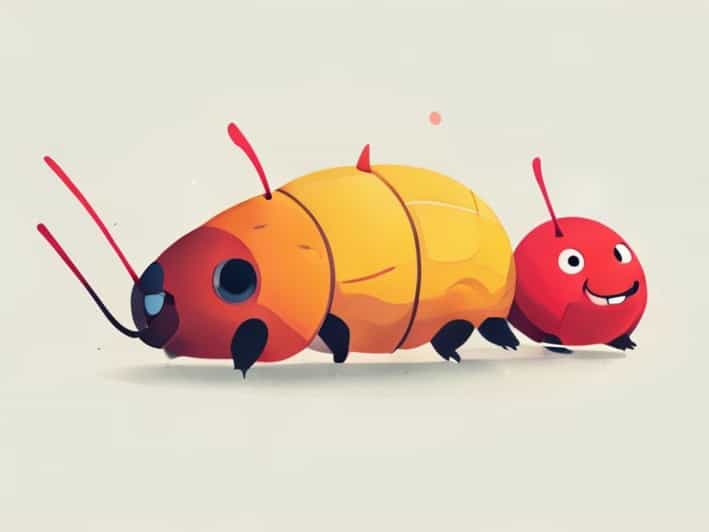
Roly polys are fascinating little creatures that many kids find both fun and mysterious. These tiny bugs, also known as pill bugs or woodlice, are easy to observe in gardens, parks, and even under damp rocks or logs. They are not insects but crustaceans, which makes them closely related to crabs and lobsters. Their unique ability to curl into a tight ball when threatened, along with their slow, shuffling movements, makes them a favorite subject for young naturalists. Learning about roly polys can help kids understand more about nature, ecosystems, and the incredible diversity of life right in their own backyard.
What Are Roly Polys?
Roly polys, scientifically called Armadillidiidae, are small, segmented creatures that live in moist environments. They have a hard exoskeleton made of chitin, which protects them from predators and harsh environmental conditions. Unlike many insects, roly polys breathe through gill-like structures, which is why they need to stay in damp or humid places to survive. Observing them can be an exciting way for children to explore the natural world and develop a curiosity about animals and their habitats.
Interesting Physical Traits
- They have seven pairs of legs, which help them crawl over soil, leaves, and rocks.
- Their segmented bodies allow them to roll into a ball, a defense mechanism called conglobation.
- Roly polys range in color from grey to brown and sometimes even black.
- They have tiny antennae that help them sense their surroundings and find food.
Fun Facts About Roly Polys
Roly polys are full of surprises, and kids often enjoy learning about the quirky and unusual features of these creatures. From their diet to their behavior, there’s plenty to explore.
1. They Are Nature’s Recyclers
Roly polys love to eat decaying plant matter, such as dead leaves, wood, and even fallen fruit. By doing this, they help break down organic material and return nutrients to the soil. This makes them an important part of the ecosystem and teaches kids about the concept of decomposition and how every creature has a role to play in nature.
2. They Can Curl Up Into a Ball
One of the most entertaining facts about roly polys is their ability to curl into a tight ball when they feel threatened. This defensive tactic, known as conglobation, protects their soft underside from predators. Children often find it fascinating to gently observe this behavior and watch the little creature roll up and unroll again.
3. They Are Not Bugs!
Although many people think roly polys are bugs, they are actually crustaceans, which means they are more closely related to crabs, lobsters, and shrimp. This fact can be a fun way to introduce kids to different animal groups and the idea that not everything with legs is an insect.
4. They Breathe Through Gills
Unlike most land animals, roly polys have gill-like structures for breathing. This is why they are usually found in moist environments, such as under rocks, logs, or damp leaves. Kids can learn that even though these creatures live on land, they still need water to survive, which connects to broader lessons about habitats and ecosystems.
5. They Can Live for Several Years
Roly polys can live up to three to four years in the wild. This might surprise kids, as these little creatures often seem delicate and tiny. Observing a roly poly over time can teach patience and the value of careful observation in nature studies.
Behavior and Habits
Understanding how roly polys behave can make backyard exploration more educational and enjoyable for kids. They are mostly nocturnal, coming out at night to feed and avoid dehydration. During the day, they hide in dark, damp places to stay safe and maintain moisture.
Social Creatures
Roly polys are often found in groups, which can teach children about social behavior in animals. While they do not communicate in the way mammals or birds do, they tend to aggregate in favorable environments, providing protection and making food sources easier to locate.
Reproduction
Roly polys reproduce slowly. Females carry fertilized eggs in a pouch on their underside called a marsupium. The tiny young emerge fully formed and quickly learn to survive in the same environment as adults. This can be a gentle introduction for kids to concepts like reproduction, life cycles, and parental care in animals.
Learning Activities for Kids
Exploring roly polys can be both fun and educational. There are several hands-on activities that children can do to learn more about these tiny creatures while developing curiosity and observation skills.
- Observation JournalKids can keep a notebook and record the number of roly polys they find, their behaviors, and where they live.
- Habitat ExplorationEncourage children to explore different areas in the garden to see where roly polys prefer to hide and why.
- Counting Legs and SegmentsA simple activity to count the segments and legs can teach basic anatomy in a fun way.
- Safe HandlingTeach kids to gently pick up roly polys and observe their rolling behavior, always returning them to their habitat afterward.
- Mini EcosystemCreate a small terrarium with soil, leaves, and a few roly polys to watch their behavior over time.
Why Roly Polys Are Important
Teaching children about roly polys can instill respect for even the smallest creatures in the ecosystem. These little critters play a vital role in recycling nutrients, supporting soil health, and maintaining ecological balance. Learning about their habits, behaviors, and unique traits helps kids understand that all creatures, no matter how small, are valuable and contribute to the environment.
Lessons for Kids
- Roly polys teach patience and careful observation in nature studies.
- They introduce children to concepts like ecosystems, decomposition, and animal behavior.
- Kids learn about biodiversity and the interconnectedness of all living things.
- Handling and observing roly polys promotes empathy and care for animals.
Roly polys are more than just tiny backyard creatures; they are fascinating examples of the wonders of nature. By exploring their habits, habitats, and unique traits, kids can gain a deeper understanding of ecology, biology, and environmental stewardship. Their ability to curl into a ball, breathe through gills, and recycle organic matter makes them both educational and entertaining. Encouraging children to observe, interact, and learn from roly polys can foster curiosity, respect for living organisms, and a lifelong interest in the natural world.