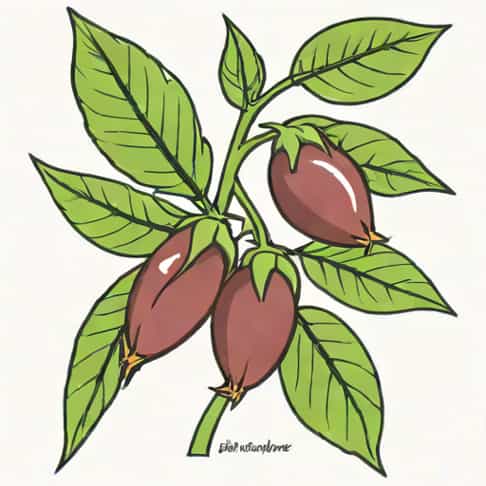
Deadly nightshade, also known as Atropa belladonna, is a highly toxic plant that has fascinated humans for centuries due to its poisonous properties and historical use in medicine, cosmetics, and even as a tool for murder. Found in Europe, North Africa, and parts of Asia, deadly nightshade contains potent alkaloids that can cause severe poisoning and death if ingested. Understanding how deadly nightshade kills is essential for awareness, prevention, and emergency response. The plant’s toxicity is primarily due to its chemical compounds, which interfere with the nervous system and vital organs, making even small amounts potentially lethal.
The Toxic Compounds in Deadly Nightshade
The primary toxic components of deadly nightshade are tropane alkaloids, which include atropine, scopolamine, and hyoscyamine. These compounds act on the parasympathetic nervous system, blocking the neurotransmitter acetylcholine. Acetylcholine is essential for communication between nerves and muscles, and when its action is inhibited, multiple systems in the body begin to fail. Each of these alkaloids contributes to the overall toxicity, and their combined effects make the plant extremely dangerous.
Atropine
Atropine is a potent anticholinergic agent that blocks acetylcholine receptors, preventing normal nerve impulses from transmitting. This can lead to increased heart rate, dilated pupils, dry mouth, and impaired sweating. In higher doses, atropine can cause severe cardiac complications, respiratory failure, and central nervous system effects, which are critical in the fatality of deadly nightshade poisoning.
Scopolamine
Scopolamine, another tropane alkaloid found in deadly nightshade, has strong effects on the central nervous system. It can cause confusion, hallucinations, agitation, and seizures. Scopolamine also contributes to respiratory depression and can exacerbate cardiovascular issues, further increasing the risk of death.
Hyoscyamine
Hyoscyamine has similar anticholinergic effects as atropine but is particularly potent in affecting smooth muscles and the gastrointestinal system. It can cause severe digestive disturbances, including nausea, vomiting, and intestinal paralysis, which can lead to dehydration and secondary complications during poisoning.
How Deadly Nightshade Affects the Body
When ingested, deadly nightshade begins to disrupt normal physiological processes. The effects typically start within 30 minutes to a few hours, depending on the amount consumed and the individual’s body weight and metabolism. The plant affects multiple organ systems, making its toxicity widespread and dangerous.
Nervous System Effects
The tropane alkaloids block acetylcholine receptors in the nervous system, causing a range of neurological symptoms. Initial signs may include dizziness, confusion, headache, and blurred vision. As poisoning progresses, severe symptoms such as hallucinations, agitation, delirium, and seizures can occur. The central nervous system effects are particularly dangerous because they can impair the body’s ability to regulate vital functions like breathing and heart rate.
Cardiovascular Effects
Deadly nightshade can cause rapid heart rate, irregular heartbeat, and low blood pressure. The anticholinergic properties of its alkaloids prevent the body from controlling heart function properly. In severe cases, cardiovascular collapse can occur, which is one of the main pathways to death from this plant.
Respiratory Effects
The respiratory system is critically affected by deadly nightshade poisoning. As the central nervous system becomes impaired, the ability to control breathing decreases. This can result in respiratory depression, difficulty breathing, or even complete respiratory failure, which can be fatal if not treated promptly.
Gastrointestinal Effects
Ingesting deadly nightshade often leads to severe nausea, vomiting, and abdominal pain. The disruption of smooth muscles in the gastrointestinal tract can cause paralysis, preventing the body from expelling toxins naturally. This prolongs the toxic effects and increases the risk of systemic poisoning.
Fatal Mechanism of Deadly Nightshade
Death from deadly nightshade typically occurs due to a combination of respiratory failure, cardiovascular collapse, and central nervous system dysfunction. The plant’s alkaloids inhibit vital neurotransmitters, preventing communication between the brain, nerves, and muscles. Without immediate medical intervention, the heart may stop, breathing may cease, and the body cannot maintain homeostasis. The fatal dose can vary depending on age, health, and individual sensitivity, but even small amounts of berries or leaves can be lethal.
Stages of Deadly Nightshade Poisoning
- Early StageSymptoms include dry mouth, dilated pupils, blurred vision, dizziness, and mild hallucinations.
- Intermediate StageIncreased confusion, agitation, rapid heart rate, vomiting, and gastrointestinal distress occur.
- Severe StageSeizures, severe hallucinations, respiratory depression, and cardiovascular instability develop.
- Critical StageWithout treatment, respiratory failure and cardiac arrest can result in death.
Treatment and Medical Intervention
If someone ingests deadly nightshade, immediate medical attention is crucial. Supportive care is typically required in a hospital setting. Activated charcoal may be administered to reduce absorption of the toxins, while intravenous fluids help manage dehydration from vomiting. In severe cases, medications such as physostigmine may be used to counteract the anticholinergic effects. Respiratory support, including mechanical ventilation, may be necessary if breathing is impaired. Prompt treatment can significantly increase the chances of survival.
Preventing Fatal Exposure
Awareness and education are key to preventing deadly nightshade poisoning. Avoid consuming unknown berries or plants in the wild, and educate children about the dangers of colorful, attractive berries that may look edible. Gardeners and foragers should wear gloves when handling the plant, as skin contact can also result in minor absorption of toxins. Knowledge of the plant’s appearance and toxic properties is crucial for safety.
Deadly nightshade kills by disrupting the normal function of the nervous system, cardiovascular system, respiratory system, and gastrointestinal system. Its tropane alkaloids, including atropine, scopolamine, and hyoscyamine, prevent acetylcholine from functioning properly, leading to hallucinations, seizures, rapid heart rate, respiratory failure, and potentially death. Understanding how deadly nightshade affects the body is essential for prevention and treatment. Immediate medical intervention is critical for survival in cases of poisoning. Awareness, education, and careful handling can prevent accidental ingestion and save lives, highlighting the importance of respecting the powerful toxicity of this historic and dangerous plant.