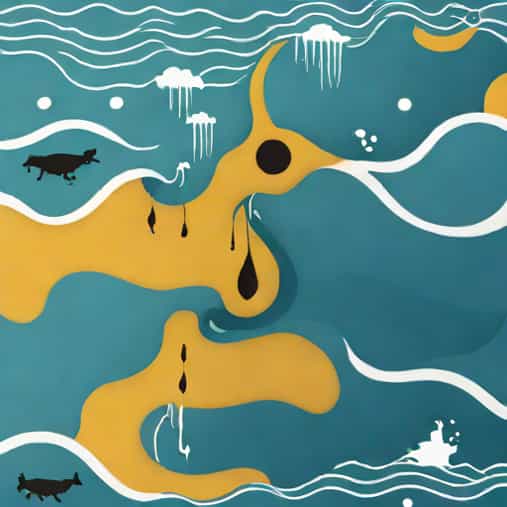
Oil spills are one of the most devastating forms of pollution affecting the world’s oceans, threatening marine ecosystems, wildlife, and human communities that depend on healthy seas. When oil enters the ocean, it spreads across the surface, contaminates water, and sinks to the seabed, causing long-lasting environmental damage. These incidents can occur due to accidents during offshore drilling, transportation by tankers, pipeline leaks, or natural seepages. Understanding how oil spills pollute the ocean and their consequences is essential for promoting awareness, prevention, and effective response strategies.
What Causes Oil Spills?
Oil spills can happen in a variety of ways, each contributing to different scales and types of pollution. Major causes include
- Offshore Drilling AccidentsEquipment failure, blowouts, or human error during drilling can release large amounts of crude oil into the ocean.
- Shipping and Tanker AccidentsCollisions, groundings, or leaks from oil tankers can spill vast quantities of oil.
- Pipelines and Storage FacilitiesLeaks or ruptures in underwater or coastal pipelines and storage tanks contribute to chronic oil pollution.
- Natural SeepsCertain geological formations naturally release oil into the ocean, although at much smaller volumes than human-caused spills.
How Oil Spills Pollute the Ocean
When oil enters the ocean, it spreads rapidly across the surface due to its lower density compared to water. The pollution occurs through several mechanisms, each causing harm to the marine environment
Surface Contamination
Oil forms a slick on the surface of the water, reducing oxygen exchange between the atmosphere and the ocean. This layer blocks sunlight, affecting photosynthesis in marine plants and disrupting the food chain. Birds and marine mammals that come into contact with the slick can suffer from hypothermia, poisoning, and loss of buoyancy due to oil coating their bodies.
Subsurface and Seafloor Contamination
Some heavier components of oil sink or mix with sediment, contaminating the seafloor. This affects bottom-dwelling organisms, disrupting ecosystems and leading to long-term ecological damage. Subsurface oil can persist for years, slowly releasing toxic compounds into the surrounding water.
Toxicity to Marine Life
Oil contains harmful hydrocarbons and chemical additives that are toxic to marine species. Fish, invertebrates, and plankton can absorb these compounds, leading to physiological stress, reproductive failure, and death. The toxins can accumulate in the food chain, affecting larger predators and even humans who consume contaminated seafood.
Disruption of Ecosystems
Oil spills alter the natural balance of marine ecosystems. Coral reefs, mangroves, and coastal wetlands are particularly vulnerable. Oil coats the roots of mangroves, suffocates coral polyps, and destroys habitats for countless species. These ecosystems are essential for biodiversity, coastal protection, and carbon sequestration, making their pollution a major environmental concern.
Economic and Human Impacts
The effects of oil spills extend beyond environmental damage, impacting local economies and human health. Coastal communities relying on fishing, tourism, and recreation suffer financial losses due to contaminated waters and beaches. Cleanup operations are costly and labor-intensive, requiring specialized equipment, trained personnel, and long-term monitoring.
Impact on Fisheries and Food Supply
Oil pollution reduces fish populations and contaminates seafood, affecting food security and livelihoods. Contaminated fish and shellfish can accumulate toxins, posing health risks to humans. Fishermen may lose income for months or even years after a major spill, depending on the scale of the incident.
Tourism and Coastal Economies
Beaches covered with oil become unsafe and unattractive for tourists, leading to decreased revenue for local businesses. Tourism-dependent communities face long-term economic setbacks while cleanup and rehabilitation efforts continue.
Response and Mitigation
Responding to an oil spill requires coordinated efforts to contain, remove, and mitigate the impact of the pollution. Techniques include
- Mechanical ContainmentBooms and skimmers are used to contain and collect oil from the water surface.
- Chemical DispersantsChemicals break down oil into smaller droplets, allowing it to mix with water, though this can also spread toxicity to marine life.
- BioremediationUsing microorganisms to naturally degrade oil over time, which is a slower but environmentally safer method.
- Shoreline CleanupPhysical removal of oil from beaches, mangroves, and wetlands to protect ecosystems and communities.
- Legislation and PreventionPolicies regulating drilling, shipping, and oil transport help reduce the risk of spills and enforce accountability.
Challenges in Cleanup
Oil spill cleanup is often complex and incomplete. Factors like weather, ocean currents, oil type, and spill location affect response efficiency. Heavy crude oil and emulsified oil can persist in the environment for years, requiring ongoing monitoring and restoration efforts. Moreover, chemical dispersants may reduce visible oil but can still be harmful to marine organisms.
Preventing Oil Pollution
Preventing oil spills is more effective than responding to them. Measures include
- Regular inspection and maintenance of oil rigs, tankers, and pipelines.
- Strict enforcement of safety regulations and environmental protection standards.
- Training personnel in spill prevention and emergency response procedures.
- Investing in technology for safer drilling, transport, and storage of oil.
- Promoting alternative energy sources to reduce dependence on fossil fuels and minimize environmental risk.
Long-Term Environmental Impact
Oil spills can have long-term consequences for ocean health. Persistent pollutants accumulate in sediments and marine organisms, affecting reproduction, growth, and survival rates. Coral reefs, mangroves, and estuaries may take decades to recover fully. Additionally, oil pollution contributes to broader environmental issues such as climate change, habitat degradation, and loss of biodiversity. Monitoring and rehabilitation programs are essential for assessing recovery and restoring damaged ecosystems.
Case Studies
- The Exxon Valdez spill in 1989 released millions of gallons of crude oil into Prince William Sound, Alaska, causing long-term ecological damage and economic loss.
- The Deepwater Horizon spill in 2010 in the Gulf of Mexico is considered one of the largest environmental disasters, affecting marine life, fisheries, and coastal communities.
- Smaller, chronic spills from shipping and pipelines continue to pollute oceans worldwide, highlighting the ongoing threat of oil contamination.
Oil spills represent a major source of ocean pollution, threatening marine life, ecosystems, and human communities. They occur through accidents, leaks, and human error, and their effects are widespread, affecting surface waters, the seafloor, and coastal habitats. Toxicity, habitat destruction, and disruption of ecosystems are just a few consequences of these environmental disasters. While cleanup and mitigation strategies exist, prevention through strict regulation, safe practices, and investment in alternative energy remains crucial. Understanding how oil spills pollute the ocean is essential for raising awareness, protecting marine biodiversity, and promoting sustainable practices that safeguard the health of our oceans for future generations.