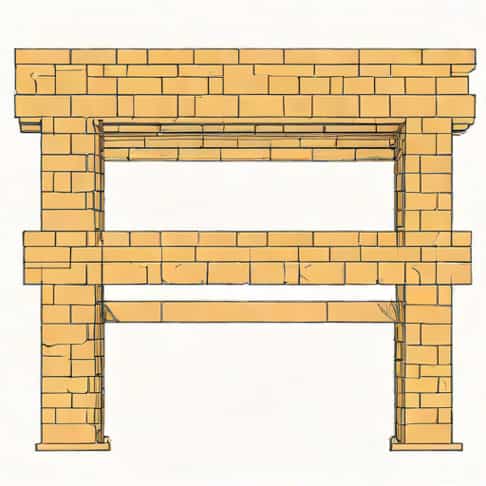
Post and lintel construction is one of the oldest and most fundamental building techniques in architecture, dating back thousands of years. It is a simple yet effective method of creating openings in walls, such as doors and windows, while providing structural stability. This construction system has been used by ancient civilizations, including the Egyptians, Greeks, and Romans, and continues to influence modern architecture. Understanding what post and lintel construction is, its components, advantages, and limitations helps students, architects, and construction enthusiasts appreciate the principles of structural design and the evolution of building techniques.
Definition of Post and Lintel Construction
Post and lintel construction is a structural system in which horizontal beams, called lintels, are supported by vertical posts or columns. The posts carry the weight of the lintel and the load above it, transferring the forces down to the foundation. This method creates stable openings in walls without the need for arches or complex frameworks. It is one of the simplest forms of construction and is often considered the basis for more advanced architectural techniques.
Key Components
The system consists of two main components
- PostsVertical supports that bear the load of the lintel and the structure above. Posts are typically made from stone, wood, or metal.
- LintelsHorizontal beams placed across the tops of posts. Lintels span the opening and support the weight from above, preventing collapse.
Historical Significance
Post and lintel construction has played a crucial role in architectural history. Ancient civilizations used this system to create temples, monuments, and public buildings. The simplicity and durability of post and lintel design allowed architects to create symmetrical and aesthetically pleasing structures while maintaining structural integrity.
Examples in Ancient Architecture
- The Egyptian pyramids and temples often used stone posts and lintels to create entrances and interior spaces.
- The Greek Parthenon is a famous example of post and lintel construction, featuring massive columns supporting a horizontal entablature.
- Roman architecture adapted the system with refinements in stone carving and the use of arches, although the basic post and lintel principle remained evident.
Principles of Post and Lintel Construction
The effectiveness of post and lintel construction relies on several engineering principles. Understanding these principles helps in designing stable and durable structures.
Load Distribution
In a post and lintel system, the lintel bears the load from the structure above and transfers it to the posts. The posts then transmit this load to the ground. Proper alignment and strength of the posts and lintel are critical to prevent bending or collapse.
Material Strength
The choice of material for posts and lintels affects the system’s performance. Stone, concrete, timber, and steel are commonly used materials. Stone and concrete are strong under compression but weak under tension, so lintels must be designed to avoid bending. Timber and steel can handle both compression and tension to some extent, allowing longer spans and more flexibility.
Span Limitations
The length of the lintel span is limited by the material’s strength. Longer spans require stronger materials or additional support to prevent sagging or failure. This limitation was one reason why arches and later structural systems were developed, allowing architects to create larger openings and more complex designs.
Advantages of Post and Lintel Construction
Despite its simplicity, post and lintel construction offers several advantages
- SimplicityThe system is easy to understand and construct, making it ideal for early civilizations and simple structures.
- Cost-EffectiveFewer materials and less specialized labor are required compared to more complex systems like arches or trusses.
- VersatilityPost and lintel construction can be used for small openings like windows or large structural frames in temples and halls.
- Aesthetic AppealSymmetrical columns and horizontal beams create a balanced and visually pleasing design.
Limitations of Post and Lintel Construction
While effective, post and lintel construction has certain limitations that have led architects to develop alternative methods
- Limited SpanThe strength of the lintel material restricts how wide the opening can be.
- Material ConstraintsStone and concrete lintels can crack under tension or excessive load, requiring careful selection and construction.
- Lack of FlexibilityThe system is less adaptable for irregular or curved openings, which is why arches and trusses were later introduced.
- Structural Load LimitationsLarge buildings or heavy loads require additional support or reinforcement beyond simple posts and lintels.
Modern Applications
Although post and lintel construction is ancient, it is still relevant in modern architecture and construction. The principles are applied in contemporary buildings, bridges, and interior designs.
Modern Examples
- Timber and steel frame structures often use post and lintel principles for doors, windows, and room dividers.
- Concrete beams supported by columns in modern office buildings follow the same concept, combining simplicity with modern materials.
- Decorative post and lintel features are used in parks, monuments, and garden structures, maintaining aesthetic value while honoring traditional construction techniques.
Post and lintel construction is a timeless architectural system that has shaped human civilization for thousands of years. It consists of vertical posts supporting horizontal lintels, creating stable openings in walls and structures. Its simplicity, durability, and aesthetic appeal made it a cornerstone of ancient architecture and continue to influence modern design. Understanding post and lintel construction provides insight into structural principles, load distribution, and material selection. While it has limitations in span and flexibility, the system’s fundamental principles remain essential in both historical and contemporary architecture. By studying post and lintel construction, architects, engineers, and students gain a deeper appreciation for the evolution of building techniques and the enduring legacy of this simple yet powerful structural system.