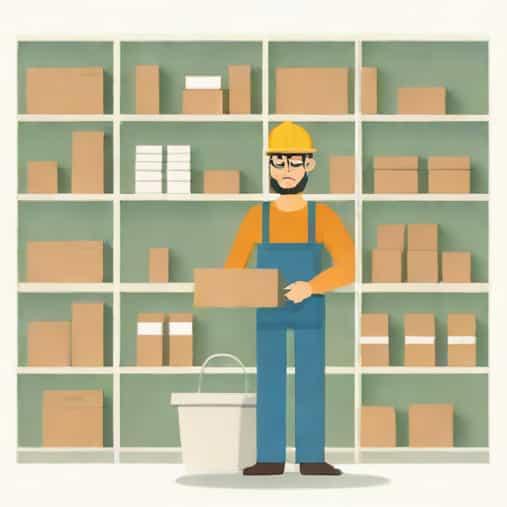
A storekeeper plays a crucial role in the efficient operation of any organization that manages inventory, supplies, or stock. They are responsible for ensuring that goods are received, stored, and issued in an organized and timely manner. The duties of a storekeeper are vital to maintaining smooth business operations, preventing losses, and supporting other departments with necessary materials. A competent storekeeper not only manages physical stock but also maintains accurate records, monitors inventory levels, and coordinates with suppliers and internal teams to meet organizational needs effectively.
Receiving and Inspecting Goods
One of the primary duties of a storekeeper is to receive goods from suppliers or other branches of the organization. This process involves checking the quantity, quality, and condition of incoming items to ensure they match the purchase order and meet organizational standards. A storekeeper must also verify the accompanying documentation, such as invoices, delivery notes, and packing lists, to prevent discrepancies. Any damaged, missing, or incorrect items must be reported promptly to suppliers or relevant departments to maintain accountability and ensure replacements are provided.
Unloading and Storing Inventory
After inspecting the received goods, storekeepers are responsible for safely unloading and storing them in the designated storage areas. Proper storage is essential to prevent damage, spoilage, or theft. Storekeepers organize items according to categories, sizes, or usage frequency, often using shelving, racks, or pallets to optimize space. They must also maintain cleanliness and orderliness in the storage area, ensuring that items are easily accessible for future retrieval and that safety standards are met to prevent workplace accidents.
Maintaining Accurate Records
Record-keeping is a critical aspect of a storekeeper’s responsibilities. Accurate inventory records help organizations monitor stock levels, identify shortages or surpluses, and plan procurement effectively. Storekeepers often use inventory management software to log the receipt, issue, and movement of goods. These records include details such as item descriptions, quantities, batch numbers, expiry dates, and supplier information. Consistent record maintenance allows organizations to make informed decisions, reduce losses, and support audits or inspections.
Issuing Materials to Departments
Storekeepers are also responsible for issuing materials and supplies to various departments or personnel within the organization. This involves verifying requests, checking the availability of items, and ensuring that issued quantities are accurately recorded. By managing this process carefully, storekeepers help prevent stock shortages, reduce wastage, and ensure that employees or departments have the necessary resources to perform their duties efficiently. A systematic approach to issuing materials also promotes accountability and transparency in the use of organizational resources.
Monitoring Inventory Levels
Another important duty of a storekeeper is monitoring inventory levels to prevent stockouts or overstocking. They regularly conduct physical counts and reconcile them with records to ensure accuracy. By keeping track of consumption patterns and lead times, storekeepers can forecast demand and notify management when replenishment is required. Effective inventory monitoring helps maintain uninterrupted operations, reduces the risk of expired or obsolete items, and ensures that the organization operates within budgetary constraints.
Handling Stock Rotation
Storekeepers implement stock rotation practices to ensure that older stock is used before newer stock, minimizing waste and maintaining product quality. Techniques such as First-In-First-Out (FIFO) or First-Expired-First-Out (FEFO) are commonly used, especially in organizations handling perishable or time-sensitive items. By carefully managing stock rotation, storekeepers contribute to efficient inventory utilization and reduce financial losses due to expired or damaged goods.
Coordination with Suppliers and Departments
Effective communication and coordination are essential duties for storekeepers. They work closely with suppliers to schedule deliveries, address discrepancies, and negotiate terms when necessary. Internally, storekeepers coordinate with various departments to understand material requirements, delivery schedules, and priorities. Strong coordination ensures that the organization receives timely supplies, minimizes delays, and maintains smooth operational workflows.
Implementing Security Measures
Storekeepers are responsible for implementing security measures to protect inventory from theft, damage, or unauthorized access. This may include maintaining controlled access to storage areas, using locks, surveillance systems, and regularly auditing stock. By ensuring proper security, storekeepers safeguard valuable organizational assets and maintain trust between management, staff, and suppliers.
Managing Documentation and Compliance
Maintaining proper documentation and ensuring compliance with organizational policies and legal requirements is a key responsibility of a storekeeper. This includes preparing reports on inventory levels, stock movements, discrepancies, and losses. Storekeepers may also handle documentation for regulatory compliance, safety standards, or quality certifications. Accurate documentation supports transparency, helps in auditing, and ensures the organization meets legal and operational standards.
Training and Supervising Staff
In larger organizations, storekeepers may supervise junior staff or assistants. This involves assigning tasks, monitoring performance, and providing training on inventory management, safety protocols, and organizational procedures. Effective supervision ensures that all team members understand their responsibilities, follow procedures correctly, and contribute to the efficient operation of the store.
Utilizing Technology for Inventory Management
Modern storekeeping increasingly involves the use of technology to enhance efficiency and accuracy. Storekeepers often use software systems for real-time inventory tracking, barcode scanning, automated alerts for low stock, and generating reports. Familiarity with digital tools and technology allows storekeepers to streamline processes, reduce manual errors, and provide valuable data for decision-making within the organization.
Handling Returns and Waste
Storekeepers are also responsible for managing returned items and waste materials. This involves inspecting returned goods, updating inventory records, and arranging for repairs, replacements, or disposal according to organizational policies. Proper handling of returns and waste minimizes financial losses, maintains accurate records, and ensures sustainable management of resources.
The duties of a storekeeper encompass a wide range of responsibilities, from receiving and storing goods to issuing materials, maintaining records, and coordinating with suppliers and departments. They play a crucial role in monitoring inventory levels, implementing security measures, managing documentation, and supervising staff. Modern storekeepers also utilize technology to enhance efficiency and accuracy in inventory management. By performing these duties effectively, storekeepers ensure that organizations operate smoothly, resources are used efficiently, and materials are available when needed, ultimately supporting overall productivity and operational success.