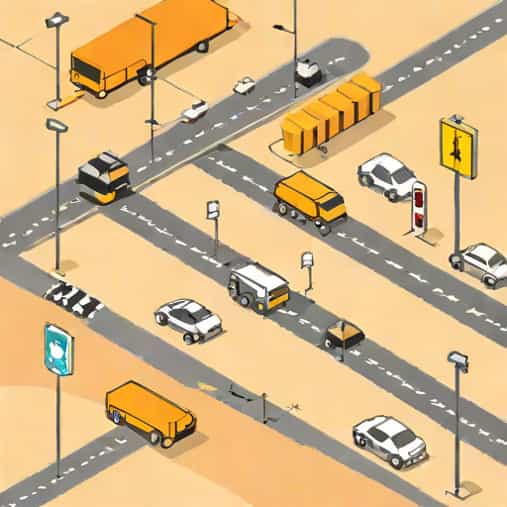
Overtaking is one of the most common driving maneuvers, yet it is also one of the most dangerous when done in the wrong place or at the wrong time. Many road accidents happen because drivers misjudge distance, speed, or road conditions while trying to pass another vehicle. Understanding where it would be unsafe to overtake is essential for every driver, whether experienced or new. Knowing these situations helps reduce risk, protect lives, and promote smoother traffic flow for everyone on the road.
The Importance of Knowing Unsafe Overtaking Areas
Overtaking requires clear visibility, enough space, and predictable traffic behavior. When any of these elements are missing, the risk increases sharply. Roads are designed with markings, signs, and layouts that signal where overtaking is unsafe, but drivers also need situational awareness.
Unsafe overtaking often occurs when drivers feel pressured by time, frustration, or traffic buildup. Recognizing danger zones in advance allows drivers to remain patient and make safer decisions.
Overtaking on Blind Bends
One of the most dangerous places to overtake is on a blind bend or curve. These are sections of the road where the driver cannot see oncoming traffic clearly.
When visibility is limited, there is no reliable way to judge whether another vehicle is approaching. Even a short bend can hide fast-moving traffic, making overtaking extremely risky.
Why Blind Bends Are Dangerous
- Limited forward visibility
- Oncoming vehicles appear suddenly
- Reduced reaction time
- Higher chance of head-on collisions
Near Junctions and Intersections
It is unsafe to overtake near junctions, intersections, or roundabouts. These areas involve vehicles changing direction, slowing down, or entering the road from different angles.
Drivers approaching an intersection may turn unexpectedly, and overtaking at this point can lead to side-impact crashes or blocking another vehicle’s path.
At Pedestrian Crossings
Pedestrian crossings are designed to protect people on foot. Overtaking near these areas puts pedestrians at serious risk.
A vehicle ahead may slow or stop for pedestrians, and overtaking could result in failing to see someone crossing the road. This is especially dangerous in urban areas and near schools.
On Hills and Crests
Overtaking on hills or near the crest of a hill is unsafe because visibility is reduced. You cannot see what is coming from the other side of the hill.
Even if the road looks clear, an oncoming vehicle could be just beyond the crest, leaving no time to react once it becomes visible.
When Road Markings Prohibit Overtaking
Road markings are one of the clearest indicators of where overtaking is unsafe. Solid center lines are placed in areas where passing another vehicle would be dangerous.
Ignoring these markings not only increases accident risk but may also lead to fines or license penalties.
Common Road Markings That Signal Danger
- Single solid white or yellow lines
- Double solid lines
- Solid line on your side of the road
In Heavy Traffic Conditions
Overtaking in heavy traffic is often unsafe due to unpredictable vehicle movements. Cars may brake suddenly, change lanes without warning, or close gaps quickly.
In congested conditions, overtaking rarely saves time and usually increases stress and risk.
Near Railway Crossings
Railway crossings require full driver attention. Overtaking near these areas can distract drivers from signals, barriers, or approaching trains.
Vehicles may slow unexpectedly, and space is often limited, making overtaking a poor decision.
In Poor Weather Conditions
Weather plays a major role in determining where it would be unsafe to overtake. Rain, fog, snow, and strong winds all reduce visibility and vehicle control.
Wet or icy roads increase stopping distances, while fog limits how far ahead you can see. Overtaking under these conditions multiplies the danger.
Weather Factors That Increase Risk
- Reduced visibility
- Longer braking distances
- Loss of tire grip
- Unexpected road hazards
Near Schools and Residential Areas
Residential streets and school zones are unpredictable environments. Children, cyclists, and pedestrians may enter the road suddenly.
Overtaking in these areas is unsafe because vehicles ahead may stop without warning, and space is often limited.
On Narrow Roads
Narrow roads leave little room for error. There may not be enough space to safely pass another vehicle while maintaining a safe distance from oncoming traffic.
Road edges may be uneven, unpaved, or obstructed, further increasing the risk during overtaking.
Near Road Works
Road works often involve lane closures, temporary signals, and workers close to moving traffic. Overtaking in these zones is unsafe and dangerous for both drivers and workers.
Traffic patterns may change suddenly, and lanes may be narrower than usual.
When You Are Being Overtaken
It is also unsafe to overtake when another driver is already overtaking you. Attempting to accelerate or pass another vehicle in this situation can cause collisions.
Drivers should maintain their speed and allow the overtaking vehicle to complete the maneuver safely.
Near Emergency Vehicles
Emergency vehicles may stop suddenly or change direction quickly. Overtaking near ambulances, fire trucks, or police vehicles can interfere with their work and create dangerous situations.
Drivers should give emergency vehicles space and follow traffic rules carefully.
Overtaking Without Clear Visibility Ahead
If you cannot see far enough ahead to ensure the road is clear, it is unsafe to overtake. Clear visibility is one of the most important requirements for safe passing.
This includes visibility blocked by large vehicles, roadside structures, or vegetation.
Psychological Factors That Lead to Unsafe Overtaking
Sometimes the danger is not the road itself but the driver’s mindset. Impatience, frustration, or overconfidence can push drivers to overtake in unsafe places.
Recognizing emotional triggers and staying calm helps prevent risky decisions.
Why Waiting Is Often the Safer Choice
In many cases, waiting a few extra seconds or minutes is far safer than overtaking in a dangerous location. Traffic conditions often change quickly, creating safer opportunities later.
Safe driving is about judgment, patience, and respect for road rules.
Legal and Safety Consequences
Overtaking where it is unsafe can lead to serious legal consequences, including fines, penalty points, or license suspension.
More importantly, unsafe overtaking puts lives at risk, including your own and those of other road users.
Knowing where it would be unsafe to overtake is a vital part of responsible driving. Blind bends, hills, intersections, poor weather, heavy traffic, and restricted road markings all signal danger.
By recognizing these situations and choosing patience over risk, drivers can significantly reduce accidents and create safer roads for everyone. Safe overtaking is not just about skill, but about knowing when not to overtake at all.