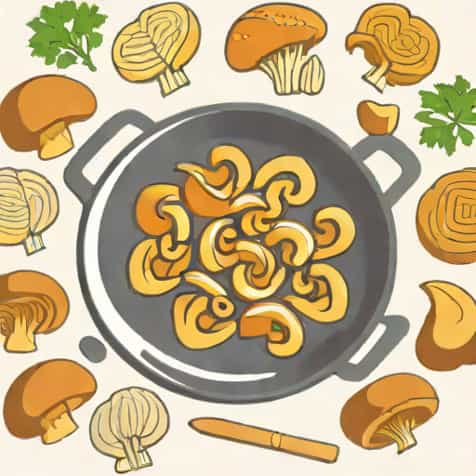
Sauteing mushrooms and onions is a fundamental technique in cooking that brings out the natural flavors of these ingredients, adding depth and richness to a wide range of dishes. Whether you are preparing a hearty pasta, a savory omelet, or a classic steak topping, knowing the right way to saute mushrooms and onions can elevate your cooking. The process may seem simple, but timing, temperature, and the order in which you add the ingredients can make a significant difference in taste and texture. Understanding these nuances allows both beginners and experienced cooks to achieve perfectly caramelized onions and tender, flavorful mushrooms every time.
Choosing the Right Ingredients
Before beginning the sauteing process, it’s essential to select the right mushrooms and onions. Common mushroom varieties used in sauteing include button, cremini, shiitake, and portobello. Each type offers a distinct flavor profile and texture. Button mushrooms are mild and versatile, while cremini mushrooms have a deeper, earthier taste. Shiitake mushrooms provide a rich, umami flavor, and portobello mushrooms, with their meaty texture, are ideal for hearty dishes.
When it comes to onions, yellow onions are the most commonly used for sauteing due to their balanced sweetness and mild pungency. White onions are slightly sharper and work well in lighter dishes, while red onions offer a sweeter flavor with a bit of color enhancement. Properly preparing these ingredients by cleaning mushrooms and slicing onions evenly ensures they cook uniformly and develop the desired flavor.
Preparation Tips
- MushroomsGently clean mushrooms using a damp paper towel or a soft brush. Avoid soaking them in water, as mushrooms absorb moisture and can become soggy during cooking.
- OnionsPeel and slice onions evenly to ensure consistent caramelization. Thinner slices cook faster, while thicker slices provide more bite and texture.
- Optional IngredientsAdding minced garlic, herbs like thyme or rosemary, and a pinch of salt can enhance the flavor during the sauteing process.
Choosing the Right Pan and Oil
The type of pan used for sauteing mushrooms and onions greatly affects the outcome. A wide, heavy-bottomed skillet, such as stainless steel or cast iron, is ideal because it allows for even heat distribution and prevents overcrowding. Nonstick pans can be used, but they may not provide the same browning effect as stainless steel or cast iron.
Choosing the right fat is equally important. Olive oil, butter, or a combination of both are popular choices. Olive oil adds a subtle fruity flavor, while butter contributes richness and helps with caramelization. Using a high heat oil, such as canola or grapeseed oil, can also be beneficial, especially if you prefer a higher cooking temperature to achieve a golden-brown sear on the mushrooms.
Sauteing Technique
To saute mushrooms and onions correctly, follow these steps
- Heat the PanPlace the pan over medium-high heat and allow it to warm up before adding oil or butter. The pan should be hot enough that ingredients sizzle upon contact.
- Add Onions FirstStart by adding onions to the heated oil or butter. Saute them for about 5-7 minutes, stirring occasionally, until they begin to soften and turn translucent. This step allows onions to release their natural sugars and develop a sweet, caramelized flavor.
- Add MushroomsIntroduce mushrooms to the pan after the onions have softened slightly. Spread them in a single layer to avoid overcrowding, which can cause steaming rather than sauteing. Saute for 7-10 minutes, stirring occasionally, until mushrooms release their moisture, shrink, and turn golden brown.
- SeasoningAdd salt and pepper toward the end of the cooking process to enhance flavor without drawing out excessive moisture prematurely.
Tips for Perfect Sauteed Mushrooms and Onions
Achieving perfectly sauteed mushrooms and onions requires attention to detail. Here are several tips to keep in mind
- Don’t Overcrowd the PanCooking too many mushrooms at once lowers the pan’s temperature, resulting in steaming rather than sauteing. Cook in batches if necessary.
- Use High Heat InitiallyStarting with high heat encourages browning and caramelization. Reduce the heat slightly if ingredients begin to burn.
- Deglaze the PanAfter sauteing, consider deglazing the pan with a splash of wine, broth, or balsamic vinegar. This lifts the browned bits from the bottom, adding depth of flavor.
- Monitor MoistureMushrooms release water during cooking. Continue sauteing until the moisture evaporates, ensuring a concentrated, rich flavor.
- Stir OccasionallyStirring helps cook ingredients evenly but avoid constant stirring, which can prevent proper browning.
Serving Suggestions
Sauteed mushrooms and onions are versatile and can complement a wide variety of dishes. They work beautifully as a topping for steaks, burgers, or grilled chicken. They can also be incorporated into omelets, pasta dishes, risottos, or savory tarts. For added depth, sprinkle fresh herbs such as parsley or thyme over the finished dish. Additionally, sauteed mushrooms and onions can be stored in the refrigerator for several days, making them a convenient component for meal prep and easy weeknight dinners.
Sauteing mushrooms and onions is a simple yet transformative cooking technique that enhances the flavor and texture of your dishes. By choosing the right ingredients, properly preparing them, and using the correct sauteing methods, you can achieve caramelized onions and golden-brown mushrooms with rich, savory flavors. Paying attention to pan choice, oil selection, heat level, and timing ensures consistent results every time. With these techniques, sauteed mushrooms and onions can elevate everyday meals, adding a touch of culinary sophistication and delight to your table.