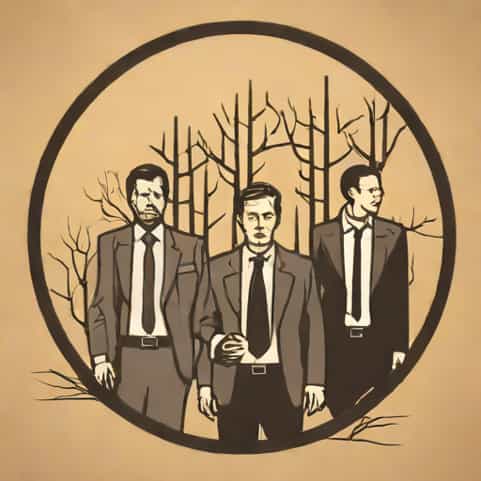
When HBO released the second season of True Detective, expectations were sky-high after the critical and cultural impact of its debut season. While season one captivated audiences with its eerie atmosphere and unforgettable performances, season 2 offered a completely different experience. Set in California, it introduced an entirely new cast, storyline, and mood. Some fans embraced the change, while others found it jarring, but the season remains one of the most discussed installments in modern television. With its gritty crime narrative, complex characters, and noir-inspired style, True Detective season 2 deserves a deeper look at what it brought to the anthology series.
The Setting of Season 2
Unlike the first season, which was steeped in Southern Gothic tones in Louisiana, season 2 shifts to California. The story unfolds across industrial suburbs, corrupt political corridors, and dusty highways that highlight the darker side of urban development. The shift in location sets a very different mood. Instead of haunting forests and occult undertones, the audience is dropped into a world of political corruption, organized crime, and broken institutions. This change of scenery was bold, signaling that True Detective would not be confined to repeating its earlier formula.
The Central Mystery
At the heart of True Detective season 2 lies the murder of city manager Ben Caspere. His brutal death sets off a complex investigation that unravels layers of corruption involving politicians, mobsters, and law enforcement. The season takes a slow-burn approach to unraveling the mystery, intertwining the personal struggles of its main characters with the broader conspiracy. Unlike season one’s metaphysical undertones, season two is firmly grounded in political and corporate crime, echoing classic noir storytelling.
Elements of the Conspiracy
- Land deals tied to high-speed rail projects
- Organized crime syndicates attempting to go legitimate
- Political figures entangled in corruption
- Police officers torn between duty and personal demons
This layered approach gives the season a gritty, almost labyrinthine quality. Viewers are challenged to keep track of multiple storylines, making it more complex than its predecessor.
The Main Characters
True Detective season 2 features four main characters, each carrying their own emotional burdens and inner conflicts. Their personal struggles often mirror the corruption and darkness they are investigating, creating a world where morality is constantly blurred.
Ray Velcoro (Colin Farrell)
Ray Velcoro is a detective in the fictional city of Vinci. Haunted by substance abuse, anger issues, and a difficult relationship with his ex-wife and son, Ray represents the archetype of the broken detective. His loyalty to a corrupt system highlights the blurred lines between right and wrong.
Ani Bezzerides (Rachel McAdams)
Ani Bezzerides works in the Ventura County Sheriff’s Department. Strong-willed and deeply skeptical, she struggles with her own past trauma and strained family relationships. Her character provides a strong female perspective in a series often dominated by male anti-heroes.
Paul Woodrugh (Taylor Kitsch)
Paul is a California Highway Patrol officer and war veteran dealing with suppressed secrets and an identity crisis. His storyline explores issues of masculinity, hidden truths, and the lingering effects of war, making him one of the more tragic figures of the season.
Frank Semyon (Vince Vaughn)
Frank is a career criminal turned businessman who finds himself pulled back into violence and corruption after the death of Caspere threatens his investments. His attempt to go legitimate provides a fascinating arc that examines ambition, loyalty, and moral compromise.
Stylistic Differences from Season One
One of the most debated aspects of season 2 is its stylistic departure from the first. Gone are the surreal landscapes and cryptic villains of season one. Instead, viewers are immersed in the suffocating world of corporate boardrooms, neon-lit streets, and political backrooms. The noir influence is unmistakable, with its brooding atmosphere and cynical tone. The dialogue, often heavy and philosophical, adds to the sense of dread and disorientation. This stylistic choice divided audiences but also highlighted the show’s anthology nature, where each season reinvents itself.
Reception and Criticism
When True Detective season 2 aired in 2015, it was met with mixed reviews. Many critics compared it unfavorably to the acclaimed first season, citing its convoluted plot and heavy dialogue. Others appreciated its ambition and willingness to tackle a different kind of story. While it may not have achieved the same level of universal praise, the season has since gained recognition for its performances, atmosphere, and daring shift in tone.
Points of Praise
- Strong performances, particularly from Colin Farrell and Rachel McAdams
- Complex, morally ambiguous characters
- Noir-inspired cinematography and atmosphere
- Exploration of corruption in modern society
Points of Criticism
- Overly dense and sometimes confusing plotlines
- Philosophical dialogue that felt forced
- Comparison to season one creating high expectations
Despite the divided reception, True Detective season 2 sparked debates and discussions, which is a hallmark of impactful television.
Why Season 2 Deserves a Second Look
Over time, many fans have revisited season 2 with fresh eyes, finding greater appreciation for its complexity and ambition. While it may not deliver the haunting simplicity of season one, its exploration of corruption, identity, and survival in a hostile world carries a resonance of its own. For viewers willing to embrace its darker, more chaotic narrative, season 2 offers a rewarding experience.
The Legacy of Season 2
Though controversial, season 2 is an important chapter in the True Detective anthology. It demonstrated that the series was not bound to repeat its initial success but instead willing to experiment with new styles and narratives. By expanding the scope of its storytelling, the show proved that crime drama could take many forms, from occult mysteries to gritty noir. In retrospect, season 2’s risks laid the groundwork for the anthology’s continued evolution in later seasons.
True Detective season 2 remains one of the most polarizing seasons in recent television history. Its dark exploration of California corruption, its flawed but fascinating characters, and its departure from the show’s first installment made it unique. Though not universally loved, it pushed boundaries and sparked conversation, ensuring its place in the larger cultural memory of the series. For those willing to dig beneath its dense layers, season 2 stands as a complex and ambitious work that continues to intrigue audiences years after its release.