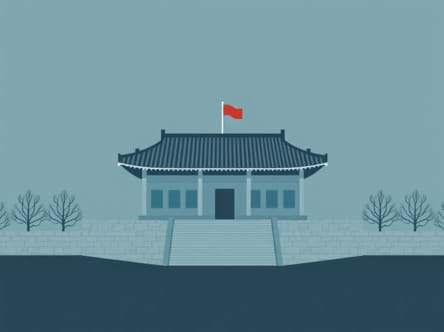
The Panmunjom Armistice stands as a crucial turning point in 20th-century geopolitical history. Signed on July 27, 1953, this agreement marked the cessation of active combat in the Korean War, a brutal conflict that lasted over three years. Although it did not formally end the war, the armistice brought relative stability to the Korean Peninsula, dividing North and South Korea near the 38th parallel. The site of its signing, Panmunjom, became a powerful symbol of the enduring tension and fragile peace that continues to define the Korean peninsula today.
Background of the Korean War
To fully understand what the Panmunjom Armistice is, one must first grasp the context of the Korean War. After World War II, Korea was divided into two zones of occupation: the Soviet-controlled north and the American-controlled south. This division led to the establishment of two ideologically opposing governments: the communist Democratic People’s Republic of Korea (North Korea) and the capitalist Republic of Korea (South Korea).
On June 25, 1950, North Korean forces invaded South Korea, initiating a war that would quickly escalate into an international conflict involving the United Nations, led by the United States, in support of South Korea, and China supporting North Korea. The war was characterized by back-and-forth offensives, devastating civilian casualties, and widespread destruction.
The Road to Armistice Negotiations
By 1951, both sides recognized that a military victory would be difficult and costly. This realization prompted armistice talks, which began in July 1951 at Kaesong and later moved to Panmunjom. Despite the shared desire to end the fighting, negotiations were slow and contentious, dragging on for two years.
Major Sticking Points
- Prisoners of War (POWs): The handling of POWs was one of the most difficult issues. The United Nations Command wanted voluntary repatriation, while North Korea and China demanded forced repatriation.
- Demilitarized Zone (DMZ): The exact location of the ceasefire line was also debated intensely. Eventually, the line was set near the existing frontlines.
- Political Conference: A post-armistice political conference was proposed to settle the final peace agreement, though this conference never resulted in a treaty.
The Signing of the Panmunjom Armistice
On July 27, 1953, delegates from the United Nations Command, the Korean People’s Army (North Korea), and the Chinese People’s Volunteer Army signed the Panmunjom Armistice Agreement. South Korea, under President Syngman Rhee, refused to sign the document, objecting to the division of Korea, but it still abided by the terms.
Key Provisions of the Armistice
- Ceasefire: An immediate halt to hostilities was agreed upon, which effectively ended the Korean War’s active combat.
- DMZ Establishment: A 2.5-mile-wide Demilitarized Zone (DMZ) was created, running across the Korean Peninsula, with both sides withdrawing 2,000 meters from the line of contact.
- Military Armistice Commission (MAC): A joint commission was formed to oversee the implementation of the agreement and resolve future disputes.
- Neutral Nations Supervisory Commission (NNSC): The NNSC was established to monitor troop movements and ensure compliance with the armistice terms.
Panmunjom: A Symbolic Location
Panmunjom, the village where the agreement was signed, has remained a highly symbolic and militarized location. It lies within the DMZ and continues to be the site of tense diplomatic interactions and military standoffs between North and South Korea. Over the decades, it has hosted numerous inter-Korean talks and summits, including historic meetings in recent years.
Notable Events at Panmunjom
- In 1976, the infamous ‘Axe Murder Incident’ took place, escalating tensions between the two Koreas and the United States.
- In 2018, North Korean leader Kim Jong-un crossed into South Korea at Panmunjom for a summit with South Korean President Moon Jae-in.
Impact and Legacy of the Armistice
The Panmunjom Armistice did not end the Korean War but only paused it. To this day, no formal peace treaty has been signed, meaning North and South Korea remain technically at war. The armistice, however, has held for over 70 years, preventing another large-scale war on the peninsula.
Ongoing Relevance
Modern diplomacy surrounding North Korea’s nuclear ambitions often references the armistice. Despite periodic provocations and missile tests by North Korea, the armistice remains a cornerstone of the peninsula’s military balance. The DMZ is now not only a heavily guarded border but also a paradoxical symbol of both division and dialogue.
Challenges to Peace
Several attempts have been made to replace the armistice with a permanent peace treaty, but they have failed due to political differences, distrust, and external pressures. North Korea often demands the removal of U.S. troops from South Korea as a precondition, while the South insists on denuclearization as part of any treaty discussion.
The Role of Global Powers
- United States: Continues to support South Korea militarily and diplomatically, and plays a key role in peace negotiations.
- China: Remains an ally of North Korea and was a co-signatory of the armistice.
- United Nations: The UN Command, led by the U.S., still operates in South Korea and upholds the terms of the armistice.
The Panmunjom Armistice represents a unique historical agreement that halted one of the most destructive wars of the 20th century without formally concluding it. Though the Korean Peninsula remains divided and under tension, the armistice has provided a framework for coexistence and intermittent diplomacy. Understanding what the Panmunjom Armistice is offers insight into the complexities of international conflict resolution, the lingering legacy of the Cold War, and the persistent hope for peace in a divided land.