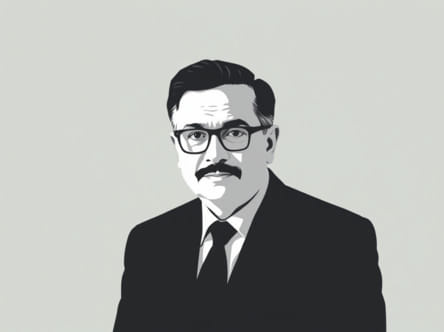
In the world of Indian business, few stories have captured as much attention, debate, and intrigue as the complex relationship between Ratan Tata and Cyrus Mistry. Their connection started with great hope and ended with public controversy, setting off a series of events that deeply impacted the Tata Group and the corporate world at large. The dynamics between the two business leaders reflect not only personal and managerial differences but also the challenges of transitioning leadership in a legacy-driven organization. Understanding the journey of Ratan Tata and Cyrus Mistry offers insight into corporate governance, vision conflicts, and leadership legacy in one of India’s most iconic business empires.
Background of Ratan Tata
The Legacy of a Business Icon
Ratan Tata is widely regarded as one of India’s most respected industrialists. As the chairman of Tata Sons from 1991 to 2012, he transformed the Tata Group from a largely domestic enterprise into a global conglomerate. Under his leadership, the group made bold acquisitions, such as Jaguar Land Rover, Tetley, and Corus Steel, strengthening Tata’s global presence. He is credited with instilling a progressive vision while maintaining the ethical values associated with the Tata name.
A Leader with Vision
Ratan Tata emphasized innovation, integrity, and long-term thinking. Projects like the Tata Nano and Tata Indica were born from his desire to serve Indian consumers and encourage indigenous innovation. His tenure was marked by a commitment to philanthropy, sustainability, and global growth. When he announced his retirement, the search for a successor became a mission to preserve and continue his legacy.
Introduction of Cyrus Mistry
The Appointment as Chairman
In 2012, Cyrus Mistry was appointed as the chairman of Tata Sons, becoming only the second non-Tata family member to hold the role. His appointment followed a rigorous selection process overseen by a committee that included Ratan Tata himself. Mistry was already familiar with the group’s inner workings as a director of Tata Sons since 2006 and as part of the Shapoorji Pallonji family, which is the largest single shareholder in Tata Sons outside the Tata Trusts.
Expectations and Early Challenges
Mistry took over with the expectation of upholding the Tata legacy while introducing a fresh managerial approach. His engineering and business background, coupled with his calm and analytical style, stood in contrast to Ratan Tata’s more visionary leadership. While Mistry initially enjoyed support from the board, differing opinions on strategy and group structure gradually surfaced.
Clash of Leadership Styles
Strategic Differences
The core of the disagreement between Ratan Tata and Cyrus Mistry lay in their approach to running the Tata Group. Mistry focused on financial performance, cost-cutting, and divesting underperforming businesses. He questioned the viability of some of Tata’s global acquisitions, including Tata Nano and certain foreign operations, which he felt were loss-making or legacy burdens.
On the other hand, Ratan Tata had a broader, long-term view rooted in legacy, innovation, and risk-taking. He believed in nurturing businesses that aligned with the Tata ethos, even if they required time to become profitable. These differing philosophies led to friction between the old guard and the new management.
Governance and Transparency Issues
Mistry raised concerns about governance practices within the group and the role of Tata Trusts in influencing decision-making at Tata Sons. He sought more autonomy and clarity around the powers of the chairman versus those of the trusts. These issues led to growing tension, particularly over accountability, board communication, and the balance of power.
The Sudden Ousting
October 2016 Decision
In a move that shocked the business world, Cyrus Mistry was abruptly removed from his position as chairman of Tata Sons in October 2016. The board provided no detailed explanation initially, which fueled media speculation and public scrutiny. Ratan Tata returned as interim chairman while a new search began for a successor.
Legal and Public Fallout
Mistry responded strongly to his ousting, describing it as unjust and lacking in corporate governance. He took legal action against Tata Sons, alleging mismanagement and oppression of minority shareholders. The legal battle played out in India’s Company Law Tribunal and later the Supreme Court, drawing attention to shareholder rights, board conduct, and corporate accountability in Indian business.
The conflict deeply divided public opinion. Some viewed Mistry as a reformer trying to modernize the group, while others saw Tata as protecting the ethos and long-term vision of the group from a short-term, financially driven agenda.
Aftermath and Resolution
Judicial Rulings
In 2021, the Supreme Court of India ruled in favor of Tata Sons, upholding Mistry’s removal as legal and valid. The court emphasized the board’s authority in appointing and removing leadership, effectively ending the legal chapter of the conflict. However, the case raised important questions about governance and the power dynamics between majority and minority shareholders.
Legacy of the Conflict
Despite the legal outcome, the public dispute left a lasting mark on Tata Group’s image. It led to discussions across the corporate world about succession planning, trust-led ownership, and boardroom transparency. While Ratan Tata’s stature remained largely unshaken, the controversy served as a cautionary tale for leadership transitions in family-controlled yet professionally managed businesses.
The Human Side of the Story
Respect and Regret
Following the tragic death of Cyrus Mistry in a car accident in 2022, Ratan Tata expressed grief and acknowledged Mistry’s contributions. The moment served as a reminder that beneath corporate disagreements were two individuals who had shared a significant chapter in India’s corporate journey. Many viewed the reconciliation in tone as a humanizing end to what had been a deeply polarizing saga.
Reflections on Leadership
The story of Ratan Tata and Cyrus Mistry goes beyond business it highlights the emotional and ethical complexity of leadership, legacy, and responsibility. It shows how even the most established institutions can face internal strife when values, vision, and governance models are misaligned.
The Ratan Tata and Cyrus Mistry saga remains one of the most significant events in Indian corporate history. It underscores the need for clarity in leadership transitions, the importance of aligning vision and values, and the role of transparent governance in sustaining business legacy. For the Tata Group, it was a turbulent period that tested its foundations and reaffirmed its commitment to enduring principles. For observers, it was a real-time case study in power, principle, and personality at the highest levels of corporate India.