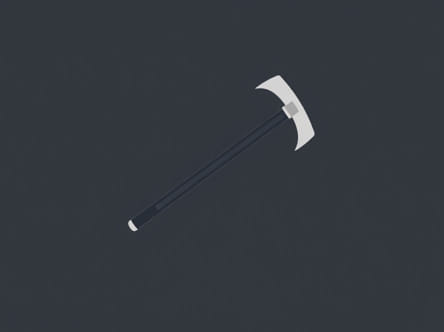
Among the many pole weapons used throughout medieval history, the poleaxe stands out as a particularly versatile and effective tool of war. Designed to combat both heavily armored knights and infantry, it combined features of an axe, hammer, and spike, giving warriors multiple methods of attack. But one common question often asked by enthusiasts of historical arms is: how long is a poleaxe? The length of this formidable weapon played a vital role in its function, usability, and battlefield efficiency. Understanding the dimensions of a poleaxe requires diving into its historical context, its components, and its various uses during warfare and tournaments.
Historical Overview of the Poleaxe
Origins and Purpose
The poleaxe first appeared in the late 14th century, gaining prominence during the 15th and 16th centuries. It was primarily used in Europe, particularly by knights and men-at-arms who required a powerful weapon that could counter plate armor. The poleaxe was popular in judicial duels, knightly tournaments, and on the battlefield, offering both reach and brute force. Its name is derived from ‘pollaxe,’ where ‘poll’ means head, not pole, even though its long shaft certainly gives it a polearm classification.
Comparison to Other Polearms
Unlike the halberd, which featured a longer blade and was more suited for slashing motions, the poleaxe was intended for close-quarters combat. It usually came equipped with a hammer or axe head on one side, a spike or fluke on the opposite, and a sharp thrusting spike at the top. This design made it particularly effective for disarming, stunning, or puncturing armor.
Standard Length of a Poleaxe
Typical Measurements
The average length of a medieval poleaxe ranged between4.5 to 6.5 feet(approximately 1.4 to 2 meters). This variation in length depended on the period, the user’s height, and whether the weapon was used for war or tournament purposes. A common standard, especially in training manuals like those of Fiore dei Liberi and Hans Talhoffer, suggests a length roughly matching the height of its wielder, or slightly shorter.
- Shorter poleaxes(around 4.5 feet) were often used in judicial duels and allowed better control and speed.
- Longer poleaxes(up to 6.5 feet) were more practical in open warfare, giving extended reach and leverage.
Comparison to Human Height
When comparing the poleaxe to human height, many fighters preferred it to be shoulder-high or head-high. This allowed the user to generate significant power while maintaining maneuverability. Too long, and the weapon became unwieldy in close combat; too short, and it lost its advantage over swords and spears.
Components That Influence Length
The Haft (Shaft)
The haft of the poleaxe was usually made from hardwood such as ash or oak. The quality and strength of the wood were crucial to withstanding the intense stress of battle. The length of the shaft formed the majority of the weapon’s overall size and could be customized based on the user’s preference or the context in which it was used.
The Head
The head of the poleaxe added both weight and utility to the weapon. It typically featured:
- A cutting axe blade or a hammerhead
- A back fluke or spike for puncturing armor
- A top spike for thrusting attacks
The head itself contributed a few extra inches to the total length, but its positioning and balance were critical. A well-balanced poleaxe allowed for fluid strikes, thrusts, and blocks.
The Langets
Langets were metal strips attached along the shaft to reinforce it and prevent it from being easily cut or broken. Though they did not add much to the length, they ensured durability and improved the longevity of the weapon during combat.
Contextual Use Affects Length
Tournament vs. Battlefield
Poleaxes used intournamentswere often slightly shorter and lighter than those used in war. These weapons were designed for controlled combat, where dexterity and skill were more important than brute force. In contrast, poleaxes used inmilitary engagementswere heavier and sometimes longer, optimized for penetrating armor and overwhelming opponents.
Individual Preference
While certain combat schools suggested standard lengths, individual knights might commission weapons tailored to their own body proportions and fighting styles. Some favored shorter poleaxes for indoor or siege warfare, while others wanted longer ones for fighting on horseback or in open formations.
Modern Reproductions and Measurements
Historical Accuracy in Replicas
Today, historical reenactors and martial artists practicing Historical European Martial Arts (HEMA) use poleaxe replicas that adhere closely to documented measurements. These reproductions typically range from 5.5 to 6 feet, offering the best compromise between reach and handling.
Examples from Museums
- Museum specimens in Europe, such as those in the Royal Armouries or Musée de l’Armée, display poleaxes from the 15th and 16th centuries that fall within the 5 to 6-foot range.
- Training manuals and medieval artwork support these measurements, confirming their authenticity and historical accuracy.
Why Length Matters
Combat Efficiency
The length of a poleaxe directly influenced its combat effectiveness. A longer weapon could keep opponents at bay, deliver devastating thrusts, and gain leverage in grappling or disarming maneuvers. However, it also required more skill and strength to wield effectively, especially in confined spaces.
Balance and Weight Distribution
Balance was key to ensuring that the poleaxe didn’t become a burden. While length provided reach, it also added torque, which had to be counterbalanced by a well-designed haft and properly forged head. Poorly balanced weapons could fatigue the user or limit mobility.
So, how long is a poleaxe? While the answer can vary depending on context, historical sources, and purpose, most poleaxes ranged from 4.5 to 6.5 feet in total length. This made them ideal for both dueling and battlefield use, offering a balance of power, reach, and precision. Whether used to deliver crushing blows to armored foes or engage in one-on-one combat, the poleaxe remains a fascinating and essential part of medieval weaponry. For historians, martial artists, and weapon enthusiasts alike, understanding its dimensions is key to appreciating the skill and strategy that went into wielding it.