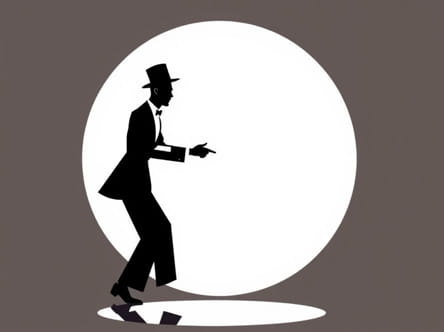
Few films have stood the test of time like Swing Time, the 1936 musical that showcased the unmatched talent of Fred Astaire. The movie isn’t just a romantic musical comedy; it’s an emblem of the golden age of Hollywood, fusing elegant dance, catchy music, and sharp humor into a single masterpiece. Fred Astaire’s performance as Lucky Garnett remains one of his most iconic, revealing the full breadth of his talent not only as a dancer but also as a charming actor and singer. Audiences continue to revisit Swing Time not just for nostalgia but for the timeless artistry that defined an era.
Fred Astaire’s Role as Lucky Garnett
Fred Astaire plays John Lucky Garnett, a talented dancer and gambler who, after missing his wedding, is told by his fiancée’s father to earn $25,000 to prove his worthiness. This sets off a chain of events that leads Lucky to New York City, where he meets Penny Carroll, played by Ginger Rogers. Astaire brings effortless charm to the role, balancing comedic timing with genuine romantic tension. As Lucky, he walks the line between lovable rogue and sincere suitor, a character dynamic that suits his natural screen presence perfectly.
A Performance Beyond Dance
While Astaire is primarily known for his dancing, his acting in *Swing Time* should not be overlooked. He conveys emotion with subtlety and sincerity, adding depth to a film that could have easily relied solely on musical numbers. His ability to express longing, joy, and humor through facial expression and body language enriches the narrative.
Legendary Dance Sequences
One of the most memorable aspects of *Swing Time* is its dance sequences. Fred Astaire, in partnership with Ginger Rogers, delivers routines that are still studied by dance enthusiasts today. These scenes go beyond mere choreography; they tell stories, express feelings, and elevate the movie into an art form.
- ‘Pick Yourself Up’ This number introduces the chemistry between Lucky and Penny. What starts as a dance lesson quickly transforms into a stunning display of rhythm and grace.
- ‘Waltz in Swing Time’ A slower, more romantic sequence that captures the deepening affection between the characters. It’s a perfect example of how Astaire used dance to replace dialogue.
- ‘Never Gonna Dance’ Often regarded as one of the finest dance scenes in film history, this routine is emotionally charged and technically dazzling. The sweeping shots and melancholic tone set it apart from other numbers in the film.
The Magic of Astaire and Rogers
Fred Astaire and Ginger Rogers were a legendary duo, and *Swing Time* is perhaps the best example of their dynamic on-screen relationship. Their dances aren’t just technically impressive they are filled with personality and narrative importance. Astaire’s style was smooth, light, and controlled, while Rogers matched him with elegance and precision. Together, they created a cinematic dance language that was as expressive as it was entertaining.
Musical Contributions
The music of *Swing Time* was composed by Jerome Kern with lyrics by Dorothy Fields. Songs like The Way You Look Tonight, which won the Academy Award for Best Original Song, added emotional depth to the film. Astaire’s vocal performance on this track is understated yet heartfelt, proving his versatility as a performer. Each song in the film is carefully placed to support the storyline and character development, turning the soundtrack into a vital storytelling tool.
‘The Way You Look Tonight’
This song remains one of the most beloved standards in American music. In the film, Lucky sings it to Penny as she washes her hair, a moment of quiet sincerity that captures the essence of their connection. Astaire’s delivery is soft and genuine, making the scene unforgettable. The song’s continued popularity is a testament to the lasting influence of *Swing Time* and Astaire’s performance.
Costume and Cinematic Style
Fred Astaire’s style in *Swing Time* is a study in sophistication. From top hats to tailcoats, his wardrobe not only reflected the elegance of the era but also enhanced his movement on screen. The film’s use of black-and-white cinematography emphasized contrast and detail, which played to Astaire’s strength in sharp, rhythmic movement. Director George Stevens made excellent use of long takes and wide shots, allowing viewers to see the full breadth of each dance without distracting cuts.
Impact on Hollywood Musicals
*Swing Time* set a standard for what a Hollywood musical could be. It was not just a collection of songs and dances but a cohesive narrative experience. Fred Astaire’s influence reached far beyond this film, inspiring generations of dancers and choreographers. His work in *Swing Time* helped elevate dance from a theatrical add-on to a central, narrative-driving force in cinema.
Legacy and Cultural Influence
Fred Astaire’s legacy in *Swing Time* lives on through countless references in modern films, homages in television, and scholarly analysis in film studies. The film is regularly cited as one of the greatest musicals of all time. Astaire’s performance continues to serve as a benchmark for excellence in musical cinema. Whether it’s his precise footwork, charismatic presence, or impeccable timing, *Swing Time* represents Fred Astaire at his very best.
Relevance Today
Even nearly a century later, *Swing Time* still resonates with audiences. Fred Astaire’s contribution to the film industry, particularly in the realm of dance and musical storytelling, is as relevant today as it was in the 1930s. The film is not only a tribute to his talents but also a timeless piece of cinema that continues to captivate new viewers with its elegance and heart.
*Swing Time* is more than just a musical film it is a celebration of Fred Astaire’s enduring brilliance. From his engaging role as Lucky Garnett to his unforgettable dance numbers with Ginger Rogers, the movie showcases every facet of his artistry. With its iconic music, seamless choreography, and rich visual style, *Swing Time* remains a high point in Astaire’s career and a cornerstone of classic Hollywood cinema. For anyone interested in the legacy of Fred Astaire, this film is not to be missed.