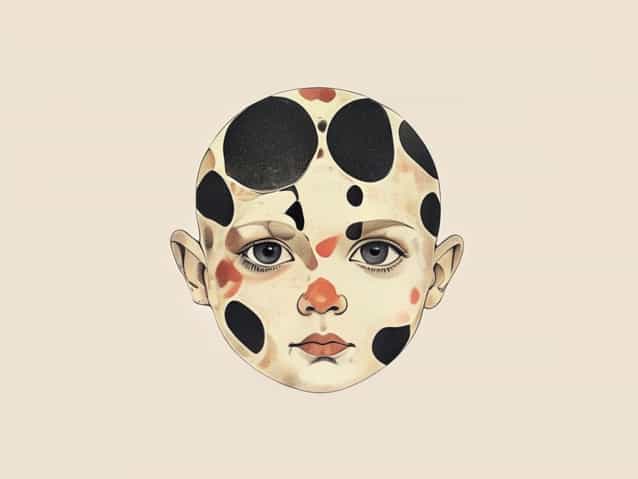
A baby born with Harlequin ichthyosis faces one of the rarest and most severe genetic skin disorders known to medicine. This condition is visible from birth, with the newborn’s skin covered in thick, hard plates that form diamond-shaped scales separated by deep cracks. These rigid scales affect not only the appearance of the baby but also interfere with vital functions like breathing, eating, and regulating body temperature. Despite its alarming presentation, advances in neonatal care and dermatology have dramatically improved survival and quality of life for affected infants in recent years.
Understanding Harlequin Ichthyosis
Harlequin ichthyosis is a congenital disorder caused by mutations in theABCA12gene. This gene is responsible for producing a protein that helps transport lipids to the outermost layer of the skin. When this gene does not function properly, the skin’s natural barrier fails to develop correctly, resulting in the thickened, scaly plates seen in newborns with this condition. The term Harlequin refers to the diamond-shaped pattern of the scales, resembling the costume of the Harlequin character from classical theater.
This disorder is inherited in an autosomal recessive pattern, meaning that both parents must carry a defective copy of the gene for their child to develop the disease. Though extremely rare, the condition occurs in about one in 300,000 births worldwide, affecting both boys and girls equally.
Appearance and Immediate Symptoms at Birth
At birth, a baby with Harlequin ichthyosis has skin that appears extremely tight, thick, and split by deep fissures. These fissures can restrict movement, causing the eyelids and lips to be pulled back, leaving the eyes and mouth partially open. The thickened skin may also compress the chest, making breathing difficult. Because the skin acts as a barrier to fluid balance, temperature regulation, and defense against infections, immediate medical intervention is essential.
In addition to the skin symptoms, newborns often experience complications such as dehydration, infections, and difficulty feeding. The distorted shape of the mouth can make breastfeeding or bottle feeding challenging, requiring specialized care to ensure proper nutrition. The infant’s body also loses moisture rapidly through the cracked skin, leading to serious dehydration if not carefully managed.
Causes and Genetic Mechanism
The root cause of Harlequin ichthyosis lies in the malfunction of lipid transport in the skin’s outer layer. TheABCA12gene encodes a protein essential for forming lamellar granules, which carry fats and enzymes to the surface of the skin. When this process fails, the skin cells harden prematurely, creating the thick, plate-like scales. Without these lipids, the skin cannot retain moisture, resulting in extreme dryness and cracking.
Genetic testing can identify carriers of the mutation, which can help couples understand their risk before conception. If both parents are carriers, they have a 25% chance of having a child with the condition. Prenatal diagnosis is also possible through genetic testing of amniotic fluid or chorionic villus samples during pregnancy.
Early Medical Management
Newborns with Harlequin ichthyosis require specialized neonatal intensive care immediately after birth. The first priority is stabilizing breathing and maintaining body temperature and hydration. Because the thickened skin can make breathing and movement difficult, babies are often placed in humidified incubators to keep the skin soft and to prevent fluid loss. Medical teams use sterile techniques to reduce the risk of infection, as the fissured skin provides an easy entry point for bacteria.
Moisturizing creams and emollients are applied frequently to soften the skin and reduce cracking. Retinoid medications, such as acitretin, have become a cornerstone of treatment. These drugs help normalize the skin’s shedding process, allowing the thick plates to peel away more quickly and the underlying skin to heal. With early and aggressive treatment, survival rates have improved significantly compared to past decades.
Ongoing Skin Care and Maintenance
As the baby grows, ongoing skin care becomes a daily part of life. Parents and caregivers must apply moisturizing ointments multiple times per day to maintain the skin’s flexibility and hydration. Frequent baths help remove dead skin and reduce the risk of infection. However, baths must be done gently and with mild, fragrance-free cleansers to avoid irritation.
Many children with Harlequin ichthyosis develop a thinner but still dry and scaly skin pattern as they age. Regular visits to dermatologists are necessary to monitor for complications, such as infections, overheating, or eye and ear issues caused by thickened skin. Specialized lotions containing ceramides, urea, or lactic acid can help restore moisture and improve the skin barrier function.
Challenges Faced by Babies and Families
Caring for a baby with Harlequin ichthyosis is physically and emotionally demanding. Parents must learn how to manage the constant skin care routine, prevent infections, and handle medical emergencies. The frequent need for ointments, bandages, and specialized products can also create financial stress. Emotional support from medical professionals, family, and support groups is crucial in helping families adapt to the challenges of this lifelong condition.
Because the condition is rare, parents may initially feel isolated or overwhelmed. However, awareness and education about Harlequin ichthyosis have increased, and online communities now provide valuable resources for affected families. Many parents share their experiences to encourage others and advocate for greater understanding of the condition.
Living with Harlequin Ichthyosis
With advancements in medical care, children with Harlequin ichthyosis are living longer, healthier lives. Many go on to attend school, pursue careers, and participate in everyday activities. The key lies in consistent medical follow-up and careful management of the skin. Protection from extreme temperatures is essential, as their skin may not regulate heat or cold efficiently. Hydration and nutrition also play vital roles in maintaining overall health.
Children often develop coping strategies to handle their unique appearance and the curiosity it may attract from others. Education and awareness can reduce social stigma and promote inclusion. Some individuals with Harlequin ichthyosis have become public advocates, sharing their stories to inspire others and highlight the importance of compassion and acceptance.
Psychological and Social Support
The psychological impact of Harlequin ichthyosis cannot be overlooked. Both the affected individual and their family benefit from counseling and community support. Growing up with a visible skin disorder can lead to feelings of self-consciousness or social anxiety, especially during adolescence. Encouraging self-confidence and providing a supportive environment help children build resilience and self-esteem.
Schools and communities can contribute by fostering inclusion and understanding. Educating classmates and peers about the condition can reduce bullying or misconceptions. Support groups and advocacy organizations often connect families facing similar challenges, offering guidance on treatment options and emotional support.
Recent Advances in Treatment and Research
Research into Harlequin ichthyosis continues to evolve. Scientists are exploring gene therapy and targeted molecular treatments that could one day correct or mitigate the effects of theABCA12mutation. Improved formulations of topical treatments are also being developed to enhance skin hydration and reduce irritation. These advances give hope for even better outcomes in the future.
Early diagnosis and genetic counseling have already improved prenatal awareness. Hospitals with neonatal intensive care units are better equipped than ever to manage newborns with complex skin conditions. As medical knowledge expands, the quality of life for individuals with Harlequin ichthyosis continues to rise.
A baby with Harlequin ichthyosis begins life facing immense challenges, but modern medicine and compassionate care have transformed what was once a fatal condition into a manageable one. With dedicated medical support, daily skin care, and a strong network of family and community encouragement, many affected children grow into thriving, confident individuals. The story of Harlequin ichthyosis is one not just of genetic mutation, but of resilience, hope, and the enduring strength of the human spirit.