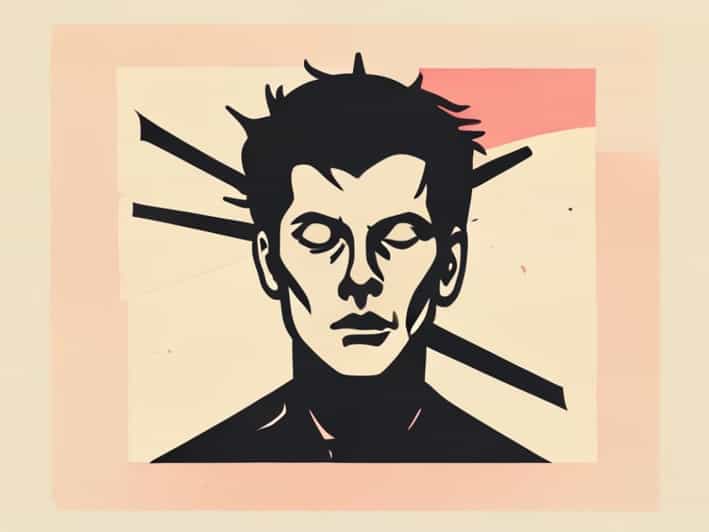
Punk music has always been more than just a genre; it has served as a powerful vehicle for political expression and social commentary. One of the most prominent ways punk has conveyed its messages is through agitprop, a form of communication designed to inspire political action or awareness. Agitprop in punk encompasses lyrics, visuals, performances, and DIY culture, all aimed at challenging authority, exposing social injustice, and promoting countercultural ideas. Understanding the intersection of agitprop and punk offers insights into how music can become a catalyst for activism, reflecting the frustrations, anger, and demands of marginalized communities. The politics of punk are deeply entwined with its history, ethos, and cultural impact.
The Origins of Punk and Agitprop
Punk emerged in the 1970s as a reaction against mainstream music and societal norms. Bands like The Clash, Sex Pistols, and Dead Kennedys combined raw musical energy with pointed social commentary, creating a platform for agitprop. The term agitprop itself originated from Soviet propaganda, describing media intended to agitate and propagate political ideas. Punk artists adopted this approach, using their music, lyrics, and performances to confront political corruption, economic inequality, and cultural conformity. By blending art and activism, punk became a medium through which young people could voice dissent and challenge prevailing power structures.
Lyrics as Political Weapons
One of the most direct forms of agitprop in punk is through lyrical content. Punk songs often tackle issues like unemployment, police brutality, war, racism, and authoritarianism. For example, The Clash’s Career Opportunities criticizes economic exploitation and limited social mobility, while Dead Kennedys’ Holiday in Cambodia satirizes political oppression and privilege. These lyrics are designed not only to entertain but also to educate listeners, provoke critical thought, and inspire activism. The confrontational nature of punk lyrics serves as a call to awareness and sometimes direct action, reflecting the anger and urgency of marginalized voices.
Visual Aesthetics and Symbolism
Punk’s agitprop extends beyond music into visual aesthetics. Album covers, flyers, posters, and fashion all carry political and social messages. Safety pins, anarchist symbols, provocative slogans, and DIY zines are not merely stylistic choices they communicate resistance and dissent. The DIY ethic in particular emphasizes self-sufficiency and rejection of commercial exploitation, reinforcing punk’s political stance. By using visual media to amplify their messages, punk artists make their ideas accessible to broader audiences, creating a culture where art and activism are inseparable.
Punk Performances as Political Acts
Live performances in punk are another key medium for agitprop. Punk concerts often blur the line between artist and audience, creating an immersive experience where political messages are enacted in real time. The energy and chaos of punk shows reflect the urgency and intensity of its politics. Some bands used stage antics, provocative speech, or direct engagement with social issues to challenge audiences, encouraging them to question authority and take action. These performances exemplify punk’s ability to translate ideology into experience, making politics tangible and immediate.
DIY Culture and Political Agency
The do-it-yourself (DIY) culture of punk is a cornerstone of its agitprop tradition. By producing their own music, zines, clothing, and merchandise, punk communities bypass traditional commercial systems and retain control over their political messages. This independence fosters creative freedom, enabling the dissemination of radical ideas without corporate interference. DIY culture also emphasizes community building and mutual support, reinforcing the political values of solidarity and resistance that underpin punk ideology. Through DIY practices, punk becomes both a cultural and political movement, empowering participants to enact change directly.
Intersection with Social Movements
Punk has historically intersected with broader social and political movements, using agitprop to support causes such as anti-racism, feminism, LGBTQ+ rights, and anti-war activism. Bands and collectives have participated in benefit concerts, awareness campaigns, and grassroots organizing, demonstrating punk’s capacity to mobilize communities. For instance, the Riot Grrrl movement in the 1990s combined punk music with feminist activism, producing zines, workshops, and performances that addressed gender inequality and sexual violence. These initiatives show how punk agitprop can extend beyond music into tangible social action.
Critiques and Controversies
While punk’s agitprop has been celebrated for its radical messages, it has also faced criticism. Some argue that punk’s confrontational style can alienate mainstream audiences, limiting its impact. Others point out contradictions, such as punk bands achieving commercial success while advocating anti-capitalist ideals. Additionally, the aggressive and sometimes chaotic nature of punk performances can lead to misunderstandings about the movement’s intentions. Despite these challenges, the core political ethos of punk persists, demonstrating resilience and adaptability in conveying messages of dissent and empowerment.
Legacy and Contemporary Relevance
Today, punk’s agitprop continues to influence music, art, and activism. Contemporary punk bands address issues such as climate change, police violence, and digital surveillance, reflecting modern social and political concerns. The DIY ethic remains strong, with artists using online platforms, independent labels, and self-publishing to spread messages. Punk’s legacy demonstrates that music can be both a cultural expression and a vehicle for political engagement, inspiring new generations to question authority and advocate for change.
Strategies for Understanding Punk Politics
To fully grasp the politics of punk, it is helpful to explore several key strategies
- Analyze lyrics for social and political themes, paying attention to satire, critique, and calls to action.
- Examine visual media, including album art, fashion, and zines, for symbolic communication of political ideas.
- Study the context of performances and live shows, noting how interactions with audiences convey ideology.
- Consider the role of DIY culture in fostering autonomy and political agency within punk communities.
- Explore connections with broader social movements to understand punk’s impact beyond the music scene.
Agitprop in punk music represents a fusion of art, politics, and activism, creating a platform where social and political issues are voiced with urgency and intensity. Through lyrics, visuals, performances, and DIY culture, punk challenges authority, exposes injustice, and empowers individuals to engage with their communities. While the movement has faced critiques and controversies, its enduring influence on culture and politics is undeniable. By examining the politics of punk, we gain insight into the power of music as a medium for political expression and the ways in which cultural movements can inspire social change. The legacy of punk agitprop continues to shape both artistic innovation and political engagement, proving that music can be a potent force for dissent, awareness, and transformation.
Ultimately, the politics of punk remind us that art and activism are not separate spheres. Punk agitprop shows that music can educate, provoke, and mobilize, turning frustration into action and rebellion into meaningful discourse. By embracing its messages and ethos, contemporary audiences can continue to explore the intersections of creativity, politics, and social justice, keeping the spirit of punk alive in today’s world.