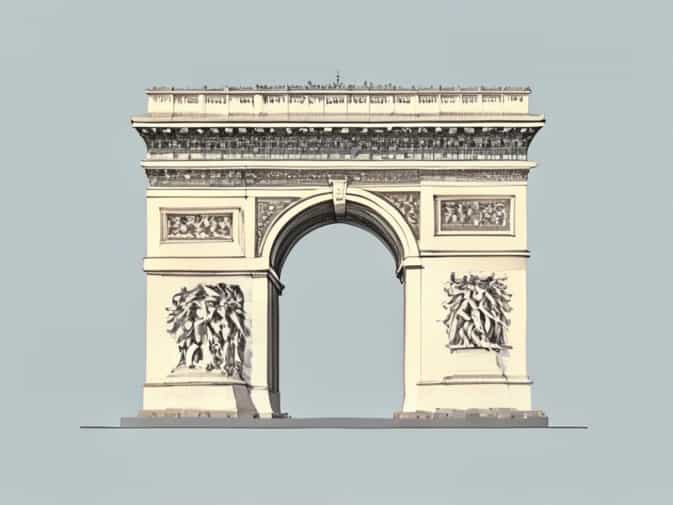
The Arch of Triumph in Pyongyang is one of North Korea’s most striking monuments, standing as a testament to the country’s historical narrative and national pride. This impressive structure is often compared to the Arc de Triomphe in Paris, yet it surpasses its French counterpart in height and scale. Built to commemorate Korea’s resistance against Japanese occupation from 1925 to 1945, the arch is more than just an architectural marvel; it serves as a symbol of patriotism, unity, and the indomitable spirit of the Korean people. Tourists and researchers alike are drawn to the site, both for its visual grandeur and the historical significance it embodies, making it a key attraction in Pyongyang and a subject of global interest.
Historical Background of the Arch of Triumph
The Arch of Triumph in Pyongyang was completed in 1982, coinciding with the 70th birthday of Kim Il-sung, the founding leader of North Korea. The monument commemorates Korean resistance fighters who battled Japanese colonial forces during the early 20th century. While many international visitors focus on the architectural similarities with Paris’ Arc de Triomphe, the Pyongyang version carries unique national significance. The arch reflects the government’s emphasis on historical memory and the glorification of the Korean struggle for independence, intertwining political and cultural narratives within its design and purpose.
Design and Architecture
The Arch of Triumph in Pyongyang stands at 60 meters high and 50 meters wide, making it taller than the Arc de Triomphe in Paris. It is constructed from white granite, and the design features 25,500 blocks of stone, which represent each day of Kim Il-sung’s life up to his 70th birthday. The arch is adorned with inscriptions detailing the Korean resistance and carries motifs that symbolize strength, patriotism, and national pride. Its grand proportions and meticulous craftsmanship make it a marvel of modern monument design, attracting architects and tourists alike who are interested in monumental structures and historical symbolism.
Significance and Symbolism
The Arch of Triumph is not merely a decorative structure; it is imbued with political and cultural meaning. Each aspect of the arch, from its dimensions to the number of stone blocks, carries symbolic value. The inscriptions on the arch honor those who fought against Japanese forces and celebrate the leadership of Kim Il-sung. In addition, the arch is a site for national ceremonies and parades, reinforcing its role as a central piece in the country’s narrative of resistance and national pride. For visitors, the monument offers insight into North Korea’s approach to history, propaganda, and monumental architecture.
Location and Surroundings
Situated in the heart of Pyongyang, the Arch of Triumph stands near Kim Il-sung Stadium and other significant landmarks. Its central location ensures high visibility and accessibility for both locals and tourists. The surrounding area features well-maintained gardens, broad avenues, and vantage points that allow for panoramic views of the city and the monument itself. This strategic placement highlights the importance of the arch within the cityscape and the emphasis placed on monumental architecture in North Korean urban planning.
Tourism and Visitor Experience
For those visiting Pyongyang, the Arch of Triumph is a must-see destination. Tourists often marvel at its scale, intricate inscriptions, and the overall atmosphere that combines historical reverence with architectural grandeur. The site is accessible via guided tours, which typically include explanations of the historical context, the design elements, and the symbolism embedded within the structure. Photography is popular, as the arch provides a visually stunning backdrop for visitors. In addition, the monument is frequently illuminated at night, creating a dramatic visual effect that enhances its presence within the city.
Events and Ceremonies
- National holidays, including Liberation Day, often feature ceremonies near the Arch of Triumph.
- Parades and public gatherings utilize the arch as a central point, reinforcing its symbolic importance.
- Guided educational tours provide students and international visitors with historical and cultural context.
These events highlight the arch’s role beyond mere architecture, positioning it as a living symbol of national pride and historical memory.
Comparison with Other Triumphal Arches
While the Arch of Triumph in Pyongyang draws inspiration from Paris’ Arc de Triomphe, it distinguishes itself through scale, context, and symbolic depth. Standing taller than its French counterpart, the Pyongyang arch also carries a distinctly nationalistic message, tied directly to North Korea’s history and leadership. Unlike many Western monuments, which often commemorate general historical victories or wars, the Arch of Triumph specifically celebrates Korean resistance and leadership. This combination of physical grandeur and ideological significance makes it a unique example of monumental architecture in the modern world.
Architectural Details
- Height 60 meters, compared to Paris’ 50 meters.
- Width 50 meters, providing an expansive base and grand presence.
- Material White granite, symbolizing purity and endurance.
- Stone Blocks 25,500 blocks, each representing a day in Kim Il-sung’s life up to his 70th birthday.
- Inscriptions Commemorate Korean resistance against Japanese occupation.
Significance in North Korean Culture
The Arch of Triumph is deeply embedded in North Korean cultural identity. It serves as a reminder of historical struggles, a celebration of national unity, and a symbol of state power. In educational settings, children learn about the resistance movement and the arch as part of their national history lessons. For the general population, it reinforces the narrative of resilience and pride in Korean heritage. Its prominent placement and use in public ceremonies ensure that the arch remains an enduring symbol for generations of North Koreans.
Visitor Insights and Observations
Tourists often note the meticulous maintenance of the site and the sense of grandeur it conveys. Photography and guided tours offer opportunities to understand both the historical and architectural significance. International visitors frequently compare it to other monumental arches worldwide, gaining insight into North Korea’s unique approach to monumental commemoration and state symbolism. Many report a mixture of awe at the scale and curiosity about the historical narratives presented through the arch.
The Arch of Triumph in Pyongyang stands as one of North Korea’s most iconic and symbolic monuments. Beyond its impressive architectural dimensions, it embodies the historical struggle of the Korean people, commemorates the leadership of Kim Il-sung, and functions as a central site for public ceremonies and national celebrations. Its grandeur, symbolic depth, and historical context make it a significant destination for tourists, researchers, and anyone interested in monumental architecture or North Korean history.
Whether viewed as a piece of architecture, a symbol of national pride, or a historical marker, the Arch of Triumph offers valuable insights into the cultural, political, and historical fabric of North Korea. Its imposing presence and rich symbolism ensure that it will continue to be a focal point of Pyongyang’s cityscape and a subject of interest for the global audience. Visiting the arch provides a unique opportunity to witness a blend of history, artistry, and ideology that defines one of North Korea’s most remarkable monuments.