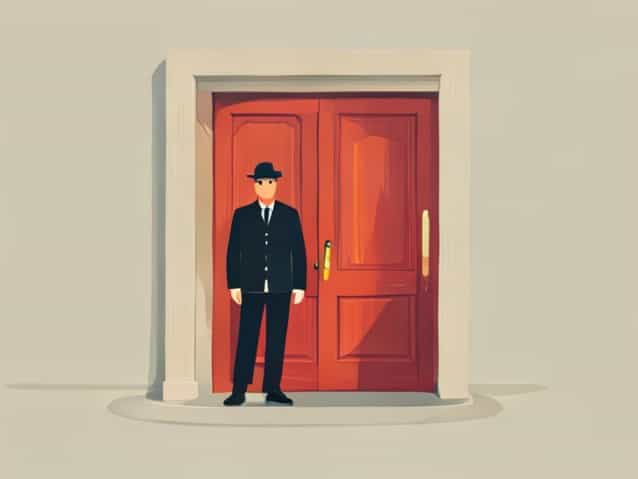
In cities across the world, especially in places like New York, London, and Chicago, the image of a uniformed doorman standing at the entrance of an elegant apartment building or hotel is instantly recognizable. But in today’s fast-paced and technology-driven society, many people wonder if doormen are still a thing. With modern security systems, intercoms, and smart locks, it’s natural to question whether this traditional profession still has a place in the modern world. Yet, doormen remain a valued part of many residential and commercial properties, offering far more than just a polite greeting.
The Role of a Doorman in the Modern World
Doormen have historically been associated with luxury living. Their primary duties were to open doors, greet guests, assist residents with luggage, and sometimes help hail taxis. However, their roles have evolved significantly. In many buildings today, doormen act as a blend of concierge, security personnel, and customer service representative. They keep watch over who enters and exits the premises, manage deliveries, and even assist with emergency situations.
In essence, a doorman is the first line of defense for residents and a friendly face for visitors. The human touch they bring to residential buildings and hotels cannot easily be replaced by technology. Even in the digital age, people still value personal interaction, safety, and the sense of community that a doorman provides.
Where Doormen Are Still Common
Doormen are still very much a thing in several major urban centers. In cities like New York, doormen remain a defining feature of many high-end apartment buildings. They serve as both a status symbol and a practical part of daily life. Luxury condominiums and co-ops often advertise 24-hour doorman service as one of their key amenities, knowing it appeals to buyers seeking convenience and security.
Beyond residential buildings, doormen are also common in
- Luxury hotels– where they greet guests, manage luggage, and set a welcoming tone.
- Corporate offices– especially those that host important clients or business meetings.
- Historic buildings– where tradition and aesthetics are part of the charm.
In these settings, doormen continue to play a crucial role in maintaining both the image and functionality of the establishment. Their presence adds a touch of class and comfort that technology alone can’t replicate.
Why Doormen Still Matter
1. Personal Security and Safety
Even with the rise of surveillance cameras and access cards, a doorman provides an irreplaceable level of human oversight. They can quickly identify suspicious behavior, intervene in emergencies, and provide reassurance to residents who live alone. In large cities where safety is a concern, having a doorman can make tenants feel significantly more secure.
2. Convenience and Assistance
Doormen handle a variety of everyday tasks that make life easier for residents. They help carry groceries, assist with packages, call for transportation, and even handle maintenance requests. For elderly residents or those with children, these small acts of service make a big difference in comfort and convenience.
3. Human Connection and Community
In many apartment buildings, the doorman becomes a familiar and trusted presence. They learn residents’ names, routines, and preferences. This personal connection fosters a sense of belonging and safety. In a world that’s increasingly automated and impersonal, the friendliness of a doorman helps maintain a sense of human warmth and community within urban living spaces.
4. Professionalism and Image
For luxury properties and hotels, image matters. A doorman standing at the entrance in uniform gives a building prestige and a professional appearance. It communicates that the establishment cares about service and attention to detail. This perception can enhance property values and attract higher-end clientele.
The Impact of Technology on the Doorman Profession
While the doorman’s role remains valuable, technology has certainly reshaped the way they work. Many modern residential buildings now use keyless entry systems, security cameras, and virtual concierges. However, rather than replacing doormen, these tools often complement their work. For instance, a doorman may monitor security footage, manage digital delivery systems, or coordinate with remote building management teams.
In some mid-range buildings, virtual doorman services-essentially remote monitoring systems with video intercoms-have become more common. These systems provide some level of security but lack the personalized service of a real doorman. Residents in luxury developments often prefer having both, as the combination of human presence and technology ensures maximum safety and convenience.
Are Doormen Becoming Obsolete?
The question of whether doormen are becoming obsolete doesn’t have a simple answer. In many smaller towns or suburban areas, the role is far less common today than it once was. However, in major metropolitan areas where high-rise living is the norm, doormen are still in demand. The continuing presence of doormen in luxury apartments and hotels suggests that their value remains strong.
Instead of disappearing, the profession has adapted. Modern doormen often have expanded skill sets, including customer service training, emergency response knowledge, and technology management. Many are also expected to handle front desk responsibilities, such as signing in guests, receiving packages, and communicating with residents via building management apps.
Cost of Having a Doorman
One of the main reasons not all buildings employ doormen is the cost. Hiring full-time staff increases operational expenses, which can raise rent or maintenance fees for residents. This is why doormen are typically found in higher-end or luxury buildings. For many tenants, the added expense is justified by the comfort, safety, and prestige the service provides.
In some cases, buildings opt for part-time or rotating doorman schedules to balance costs while still offering residents the benefits of human assistance during key hours. Others use hybrid solutions, such as combining a daytime doorman with a nighttime security system.
Doormen in Pop Culture and Tradition
The image of the doorman has become iconic in popular culture. Movies, television shows, and novels often depict doormen as loyal gatekeepers or silent observers of city life. From classic New York films to modern dramas, they represent stability and familiarity amid the chaos of urban living. This cultural symbolism helps keep the profession alive, as many people still associate doormen with sophistication and old-world charm.
The Future of Doormen
Looking ahead, doormen are likely to continue evolving alongside technology. They may become more specialized, combining traditional hospitality with modern digital skills. Buildings may train doormen in emergency management, cybersecurity awareness, or customer relations to adapt to the needs of contemporary urban life.
In fact, the integration of technology could make the role even more essential. As buildings become more complex, having a trained professional who can operate systems, assist residents, and ensure security becomes invaluable. The human element remains irreplaceable, especially in environments where trust and personal interaction are key.
So, are doormen still a thing? Absolutely. While their numbers may have decreased in some areas, their importance remains steady in luxury apartments, hotels, and high-end office buildings. Doormen continue to provide safety, comfort, and a human touch that modern technology cannot replicate. They are not just relics of the past but adaptable professionals who have found new relevance in the modern world.
As long as people value personal interaction, security, and service, doormen will continue to stand proudly at the doors of the world’s most prestigious addresses-welcoming, protecting, and assisting those who pass through every day.