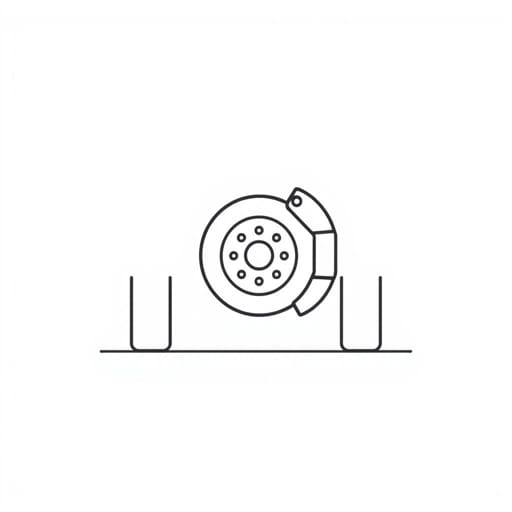
When a vehicle experiences brake system binding at the nearside rear wheel, it can lead to uneven braking, increased wear, and potential safety hazards. This issue is not only inconvenient but also critical to address, as it affects overall vehicle handling and performance. The term nearside typically refers to the side of the vehicle closest to the curb (left side in countries with right-hand drive vehicles), and brake binding means that the brake does not release properly after being applied. In this topic, we’ll explore the common causes, symptoms, and solutions for brake system binding on the nearside rear wheel to help drivers and technicians diagnose and fix the issue effectively.
Understanding Brake System Binding
Brake system binding occurs when a brake component remains partially engaged, even after the driver releases the brake pedal. This constant contact between the brake pad or shoe and the disc or drum can generate excessive heat, reduce fuel efficiency, and accelerate component wear.
Common Symptoms
If your vehicle has a binding brake on the nearside rear wheel, you may notice several warning signs, including:
- Reduced acceleration or a dragging sensation
- Increased fuel consumption
- Excessive heat from the nearside rear wheel after driving
- Unusual smells, such as burning rubber or metal
- Steering pull or imbalance when braking
- Reduced brake performance
Ignoring these symptoms can lead to severe consequences such as brake failure, warped discs, or tire damage, making timely diagnosis and repair essential.
Causes of Nearside Rear Brake Binding
Brake binding in one specific area like the nearside rear usually points to localized mechanical or hydraulic issues. Understanding the root causes is the first step in resolving the problem efficiently.
1. Stuck Caliper or Wheel Cylinder
One of the most common reasons for brake binding is a seized caliper piston (in disc brake systems) or wheel cylinder (in drum brake systems). These components can become corroded or contaminated over time, preventing them from retracting properly after braking.
- Brake calipers may seize due to rust or dirt accumulation
- Wheel cylinders may leak or fail to return under spring tension
2. Damaged or Contaminated Slide Pins
In disc brake systems, slide pins help the caliper move evenly across the brake pad. If these pins are dry, rusty, or bent, the caliper can bind on one side, keeping pressure on the pad and causing binding on the nearside rear.
3. Collapsed Brake Hose
A collapsed or internally damaged brake hose may allow brake fluid to flow in but restrict its return. This causes the caliper or wheel cylinder to remain pressurized, keeping the brake engaged even when the pedal is released.
This issue is often tricky to spot externally but can be diagnosed by comparing fluid flow and pressure across each brake hose.
4. Handbrake Cable Issues
In vehicles where the handbrake operates the rear brakes, a seized or poorly adjusted handbrake cable on the nearside rear can cause continuous brake engagement. This problem is especially common in older or poorly maintained vehicles.
- Rust and grime buildup on the cable sleeve can cause friction
- Handbrake levers or mechanisms on the caliper or drum may stick
5. Misadjusted Drum Brake Components
If the vehicle uses drum brakes at the rear, improper adjustment or worn hardware such as return springs can prevent the shoes from retracting fully. This may result in the nearside rear brake dragging or binding.
6. Master Cylinder or ABS Module Fault
While rare, a fault in the master cylinder or ABS module may apply uneven pressure to a single brake line. This can lead to partial engagement on one wheel, such as the nearside rear, especially if there’s a valve or seal failure inside the hydraulic system.
Diagnosing Brake Binding at the Nearside Rear
Proper diagnosis involves a series of inspections to identify which component is failing and causing the brake to bind. A visual and hands-on check is usually the first step.
Step-by-Step Inspection
- Wheel Temperature Check: After a short drive, carefully check the temperature of all wheels. A significantly hotter nearside rear wheel indicates binding.
- Visual Inspection: Check the brake pads, rotors, and caliper or drum assembly for signs of scoring, rust, or uneven wear.
- Handbrake Cable Test: Release the handbrake and check if the rear wheels spin freely. A sticking nearside wheel suggests a cable or lever issue.
- Caliper Movement: Remove the wheel and test whether the caliper piston and slide pins move freely. Stiffness or immobility indicates binding.
- Hydraulic Test: Apply and release the brake pedal while checking for residual pressure in the brake line, often using pressure gauges or by cracking open the bleed valve.
Solutions and Repairs
Once the issue is identified, the next step is choosing the appropriate fix. Most brake binding problems on the nearside rear can be resolved by replacing worn components, cleaning assemblies, or performing adjustments.
Common Repair Procedures
- Caliper Repair or Replacement: If the caliper piston is stuck or damaged, replace or rebuild the caliper entirely.
- Slide Pin Service: Remove, clean, lubricate, or replace the guide pins to ensure smooth caliper movement.
- Brake Hose Replacement: Replace any hose that shows signs of internal collapse or obstruction.
- Handbrake Adjustment: Lubricate and adjust the handbrake cable and linkage. Replace cables if necessary.
- Drum Brake Hardware Replacement: Install new return springs, shoes, or adjusters if they are worn or damaged.
- Brake Fluid Flush: Contaminated fluid can lead to internal corrosion. Flushing the system can restore proper function and prevent further issues.
Preventing Future Brake Binding
Routine maintenance is key to avoiding brake system binding, especially on individual wheels like the nearside rear. Keeping all components in good working order helps ensure even braking and long component life.
Maintenance Tips
- Inspect brake pads, discs, and calipers regularly
- Lubricate slide pins and moving parts during every brake service
- Check handbrake operation and cable tension periodically
- Replace brake fluid every 12 years or as recommended by the manufacturer
- Listen for unusual noises or sensations while driving
Brake system binding on the nearside rear wheel is a common but serious issue that requires prompt attention. From stuck calipers to damaged hoses and faulty handbrake mechanisms, the causes can vary widely, but all lead to compromised braking efficiency and increased wear. By understanding the warning signs and underlying causes, vehicle owners can take action before the problem escalates. Regular inspections, proper adjustments, and timely replacement of worn components are crucial in preventing brake binding and ensuring safe and smooth vehicle operation. If you suspect brake binding, it’s always best to consult with a qualified mechanic for a thorough diagnosis and effective repair.