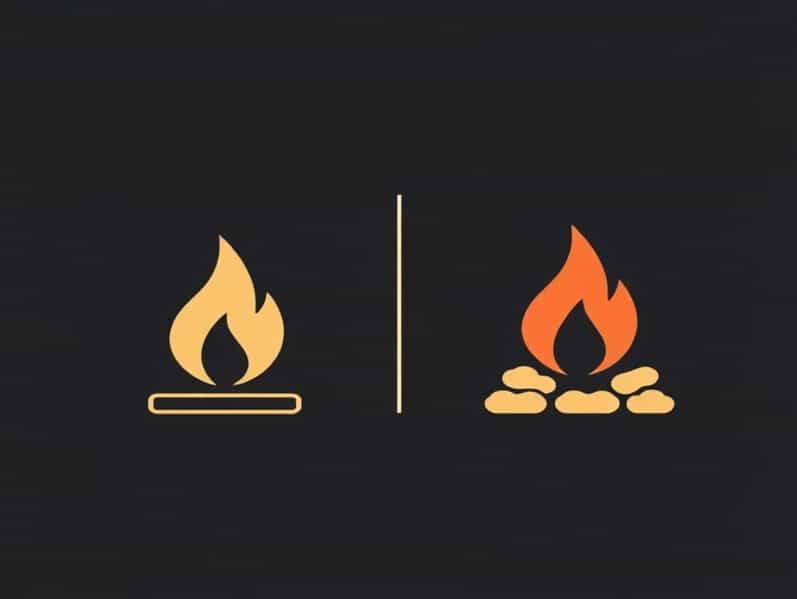
In everyday life, understanding the difference between combustible and non-combustible materials is essential for safety, construction, and industrial applications. These materials respond differently to heat, fire, and ignition sources, and knowing their properties helps prevent accidents, improve fire safety, and comply with building codes. Combustible materials are prone to catching fire and burning easily, while non-combustible materials resist ignition and provide greater safety in fire-prone environments. This distinction is crucial for architects, engineers, safety officers, and even homeowners who aim to minimize fire risks and select appropriate materials for construction and manufacturing.
Definition of Combustible Materials
Combustible materials are substances that can ignite and sustain combustion when exposed to heat, flame, or sparks. These materials have varying degrees of flammability depending on their chemical composition, density, and moisture content. Combustible materials are commonly found in homes, workplaces, and industrial settings, including wood, paper, fabrics, plastics, and certain chemicals. The fire risk posed by these materials makes it important to handle, store, and use them responsibly, following safety regulations and preventive measures.
Characteristics of Combustible Materials
- Ignite easily when exposed to heat or flame
- Burn rapidly and release energy in the form of heat
- Produce smoke and, in some cases, toxic fumes
- Vary in ignition temperature and burn rate
- Require careful storage and handling to minimize fire risk
Examples of combustible materials include wood, paper, textiles, certain plastics, and flammable liquids like gasoline. These materials are commonly used in construction, packaging, and household applications, which makes fire safety awareness critical.
Definition of Non-Combustible Materials
Non-combustible materials, in contrast, are substances that do not ignite or burn under normal conditions of heat or flame. These materials are often used in fire-resistant construction and safety equipment due to their ability to withstand high temperatures without contributing to the spread of fire. Common non-combustible materials include metals, concrete, bricks, glass, and stone. These materials play a crucial role in building structures, industrial installations, and safety barriers to prevent fire hazards.
Characteristics of Non-Combustible Materials
- Resist ignition even at high temperatures
- Do not support the spread of flames
- Provide structural integrity during fire exposure
- Often used in fire-rated construction and safety systems
- Require minimal maintenance for fire protection purposes
Non-combustible materials are essential for applications where fire safety is critical, such as in commercial buildings, industrial plants, and public infrastructure. Their use reduces the risk of catastrophic fire damage and protects lives.
Comparison Between Combustible and Non-Combustible Materials
Understanding the differences between combustible and non-combustible materials is essential for safety planning, material selection, and regulatory compliance. Both types of materials have specific advantages and limitations depending on their applications.
Ignition and Burn Rate
Combustible materials ignite easily and burn rapidly, which makes them a fire hazard in uncontrolled situations. Non-combustible materials, on the other hand, resist ignition and burn very slowly or not at all, providing a safer environment in fire-prone areas. For example, wood flooring is combustible, whereas concrete flooring is non-combustible and safer in terms of fire containment.
Structural and Safety Considerations
While combustible materials may provide flexibility, aesthetic appeal, or cost benefits, they pose a higher risk in terms of fire safety. Non-combustible materials enhance fire resistance and structural integrity during emergencies. Modern construction often combines both types, using non-combustible materials for structural components and fire-resistant barriers while using combustible materials for interior finishes or decorative purposes.
Environmental and Practical Applications
- Combustible materials Wood furniture, paper products, textiles, certain plastics, flammable liquids
- Non-combustible materials Steel beams, concrete walls, brick masonry, glass panels, stone surfaces
The choice between combustible and non-combustible materials is influenced by factors such as building codes, environmental conditions, fire risk assessment, and functional requirements of the structure or product.
Fire Safety Measures for Combustible Materials
Because combustible materials are prone to catching fire, it is critical to implement proper safety measures. Fire prevention strategies include reducing sources of ignition, storing materials away from heat, using fire-resistant coatings, and implementing fire suppression systems. Additionally, awareness training for handling combustible materials can minimize risks in workplaces and homes.
Preventive Measures
- Store combustible materials in cool, dry, and ventilated areas
- Use fire-resistant coatings or treatments where possible
- Maintain proper clearance from heat sources and electrical equipment
- Install smoke detectors and fire suppression systems
- Educate personnel and occupants on fire hazards and emergency procedures
Effective fire safety planning ensures that even when combustible materials are necessary, the risk of fire is minimized and manageable.
Advantages of Non-Combustible Materials
Non-combustible materials provide inherent advantages in fire safety and structural resilience. Their resistance to ignition helps prevent the spread of fire and reduces damage in the event of a blaze. Non-combustible materials are often mandated in commercial construction, industrial facilities, and public buildings to comply with fire safety codes and regulations.
Benefits
- Enhances fire protection and occupant safety
- Reduces insurance costs and liability concerns
- Maintains structural integrity during fire exposure
- Requires less maintenance for fire safety purposes
- Supports compliance with local and national building codes
The use of non-combustible materials is increasingly prioritized in modern construction and industrial design to protect people, property, and investments.
Understanding the difference between combustible and non-combustible materials is essential for fire safety, construction, and industrial applications. Combustible materials, while useful and versatile, pose higher risks due to their tendency to ignite and burn quickly. Non-combustible materials offer superior fire resistance and structural stability, making them indispensable in high-risk environments. By carefully selecting materials based on their combustibility, applying appropriate safety measures, and following building regulations, architects, engineers, and homeowners can reduce fire hazards, protect lives, and ensure long-term safety. The knowledge of these material properties not only contributes to practical decision-making but also enhances awareness of fire prevention and responsible material usage in everyday life.