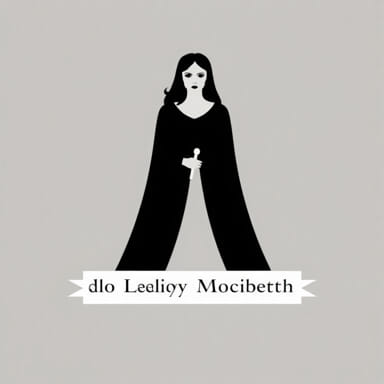
Among the many characters in Shakespeare’s tragedy Macbeth, Lady Macbeth stands out as a figure of ambition, cunning, and eventually overwhelming guilt. Her psychological descent throughout the play has sparked debate for centuries, especially regarding her death. The question of whether Lady Macbeth killed herself is one that has fascinated scholars, students, and readers alike. Though the play does not explicitly show her suicide on stage, there are textual clues and interpretive traditions that support this tragic conclusion. Understanding Lady Macbeth’s final moments requires examining her character arc, the play’s language, and the historical context of how mental illness and suicide were perceived in Shakespeare’s time.
The Emotional Decline of Lady Macbeth
Lady Macbeth’s journey begins with ruthless determination. She manipulates Macbeth into murdering King Duncan, calling upon spirits to unsex her and fill her with cruelty. At this stage, she appears fearless and unwavering in her pursuit of power. However, as the consequences of their actions unfold, her mental state begins to deteriorate rapidly.
By the time we reach Act V, Lady Macbeth is a shadow of her former self. She sleepwalks, washes her hands obsessively, and speaks to herself about the murders. This scene reveals her inner torment and guilt. The once-dominant figure has been reduced to a tormented soul haunted by past deeds. Her mental unraveling sets the stage for her tragic end.
Textual Evidence of Suicide
Lady Macbeth’s death is reported in Act V, Scene 5. Macbeth is informed by Seyton The queen, my lord, is dead. When asked how she died, we receive no detailed answer, but a few lines later, Macbeth delivers his famous soliloquy beginning with Tomorrow, and tomorrow, and tomorrow This philosophical reflection suggests that Macbeth is grappling not just with death, but with the meaninglessness and inevitability of life and its end.
In Act V, Scene 8, Malcolm, the new king, offers the clearest textual suggestion of suicide. He states…who, as ’tis thought, by self and violent hands / Took off her life. The phrase by self and violent hands is a direct reference to suicide, even though it’s delivered as hearsay. Shakespeare, perhaps, left the matter somewhat ambiguous to preserve dramatic tension and to comply with the moral views of his time, which condemned suicide.
The Historical and Cultural Context
To further understand the implications of Lady Macbeth’s death, we must consider how suicide was regarded during the Elizabethan and Jacobean eras. Suicide was not only a sin but also a criminal offense. It was associated with despair and damnation. A person who committed suicide might be denied a Christian burial and could be seen as morally condemned.
Shakespeare likely understood that explicitly portraying or stating Lady Macbeth’s suicide would have shocked audiences and potentially run afoul of censorship. Instead, he allowed room for interpretation while embedding enough hints for perceptive readers and viewers to draw their own conclusions. The reference to her self and violent hands serves this purpose effectively.
Symbolism and Madness
The imagery associated with Lady Macbeth’s descent into madness is also crucial in supporting the suicide theory. Her obsession with blood, symbolizing guilt, and her disoriented speech reflect a mind burdened by psychological torment. Her famous line, Out, damned spot! reflects her inability to cleanse herself of her crimes. This mental anguish is consistent with someone driven to suicide by overwhelming guilt and hopelessness.
Her sleepwalking is more than just a physical symptom it is a symbol of her fragmented psyche. She relives the murders, talks to herself about the events, and reveals secrets that suggest her remorse. This is a classic literary portrayal of a conscience catching up to someone who once acted without hesitation.
How Productions Interpret Lady Macbeth’s Death
Stage and film adaptations of Macbeth often explore different interpretations of Lady Macbeth’s death. Some portray her death onstage, showing her leaping from a height or slitting her wrists, while others retain the ambiguity of Shakespeare’s script. Directors often choose to emphasize either her madness, guilt, or even punishment, depending on their artistic vision.
These varying portrayals reflect ongoing debate among scholars and creatives about the nature of her demise. Did she truly kill herself out of guilt? Was her death merely the result of untreated mental illness? Or was it simply a convenient offstage exit that allowed the plot to move forward?
Contrasting Lady Macbeth and Macbeth’s End
It is also interesting to compare Lady Macbeth’s death with that of her husband. Macbeth dies fighting, unrepentant and clinging to the prophecy that he believes will protect him. Lady Macbeth, on the other hand, collapses under the emotional burden of their actions. Her death is internal psychological, spiritual, and ultimately self-inflicted, if we accept the suicide theory.
This contrast highlights the differences in their characters. Macbeth becomes hardened and increasingly reckless, while Lady Macbeth loses the very strength that once defined her. In a tragic twist, the one who originally pushed for murder becomes the one most undone by it.
Did Lady Macbeth Kill Herself?
While Shakespeare never explicitly shows Lady Macbeth taking her own life, the clues left within the text particularly Malcolm’s words strongly suggest that she did. Her descent into madness, the guilt that consumes her, and the symbolic elements all support this interpretation. Her suicide, if accepted as canon, becomes the ultimate consequence of unchecked ambition and moral corruption.
Lady Macbeth’s tragic end serves as a powerful commentary on guilt, conscience, and the cost of power. Her death, whether viewed as suicide or not, marks the emotional climax of the play. It invites us to consider not only how power is gained, but how the weight of guilt can ultimately destroy even the most determined of minds. Lady Macbeth’s story remains one of the most haunting illustrations of psychological collapse in literature.
- Lady Macbeth’s death is reported, not shown, adding to its ambiguity.
- Clues in Malcolm’s speech point toward suicide.
- Her mental deterioration aligns with suicidal behavior.
- The cultural views of the time discouraged open discussion of suicide.
- Her death contrasts with Macbeth’s, underscoring their differing responses to guilt.
Whether or not she killed herself, Lady Macbeth’s death is deeply symbolic. It represents the emotional and moral cost of ambition, manipulation, and guilt a cost that ultimately proves fatal.