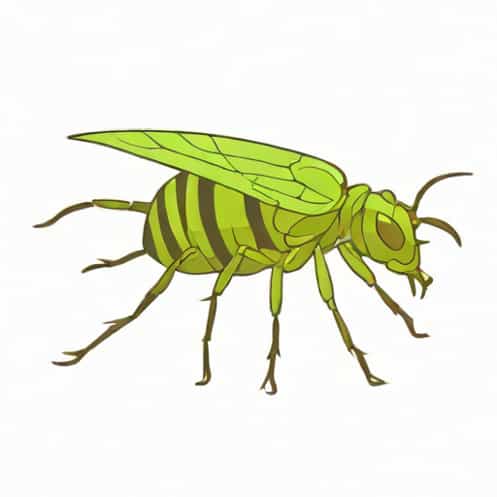
In the world of agriculture and entomology, understanding pests is crucial for maintaining healthy crops and ensuring optimal yields. Two common insect pests that often cause confusion are aphids and jassids. While both belong to the order Hemiptera and are small, sap-sucking insects, they differ significantly in their biology, behavior, and impact on plants. Farmers, gardeners, and students of biology often ask about the difference between aphids and jassids, as proper identification is essential for implementing effective pest control measures. By exploring their characteristics, life cycles, feeding habits, and damage patterns, one can better understand how to manage these pests efficiently.
Overview of Aphids
Aphids, also known as plant lice, are small, soft-bodied insects that feed on the sap of a wide variety of plants. They belong to the superfamily Aphidoidea and are typically less than 10 millimeters long. Aphids are known for their rapid reproductive rates and their ability to transmit plant viruses, making them a significant concern for farmers and horticulturists. They are often green, yellow, brown, or black, and some species produce a waxy coating or honeydew, which can attract ants and lead to sooty mold growth.
Characteristics of Aphids
- Soft-bodied and pear-shaped insects
- Small size, generally 1-10 mm
- Long, thin antennae
- Two tubes called cornicles protruding from the posterior
- Can be winged or wingless depending on environmental conditions
Aphids are highly adaptable and can reproduce both sexually and asexually, often producing live young without mating during favorable conditions. Their ability to multiply rapidly makes them capable of causing extensive damage in a short period.
Overview of Jassids
Jassids, also called leafhoppers, belong to the family Cicadellidae. They are small, active insects that feed on the sap of plants by piercing the phloem and xylem tissues. Jassids are typically elongated and wedge-shaped, with strong hind legs adapted for jumping. They are notorious for causing yellowing, curling, and stunted growth in plants, particularly in crops such as cotton, sugarcane, and vegetables. Their feeding habit not only weakens the plant but can also transmit plant pathogens.
Characteristics of Jassids
- Elongated, wedge-shaped body
- Small size, generally 3-5 mm
- Strong hind legs for jumping
- Piercing-sucking mouthparts
- Fast-moving and active insects
Unlike aphids, jassids typically reproduce sexually and do not produce honeydew. Their mobility and feeding behavior make them more challenging to control once they infest crops.
Key Differences Between Aphids and Jassids
While both aphids and jassids feed on plant sap, several important differences help distinguish them. These differences are critical for accurate identification and effective pest management.
Body Shape and Structure
- AphidsSoft-bodied, pear-shaped, and often slow-moving.
- JassidsWedge-shaped, elongated, and agile with strong jumping legs.
Reproduction
- AphidsCan reproduce asexually through parthenogenesis, producing live young without mating, as well as sexually under unfavorable conditions.
- JassidsReproduce sexually, laying eggs on leaves or stems; no parthenogenesis is observed.
Feeding Habits
- AphidsFeed slowly on plant sap and often remain on one part of the plant for extended periods.
- JassidsFeed actively, moving frequently from leaf to leaf while sucking sap.
Plant Damage
- AphidsCause curling of leaves, yellowing, stunted growth, and produce honeydew that leads to sooty mold.
- JassidsCause pale or yellow streaks on leaves, leaf curling, and can stunt plant growth without producing honeydew.
Transmission of Diseases
- AphidsCan transmit a wide range of plant viruses, making them serious agricultural pests.
- JassidsCan also transmit plant pathogens, particularly phytoplasmas, but generally to a lesser extent than aphids.
Examples of Crops Affected
Both aphids and jassids affect a variety of crops, but they tend to prefer different plants. Understanding which pest is likely to infest a crop can help in taking preventive measures.
Aphid-Prone Crops
- Vegetables such as cabbage, cauliflower, and tomatoes
- Fruits like apples, peaches, and citrus
- Cereal crops including wheat and barley
Jassid-Prone Crops
- Cotton
- Sugarcane
- Vegetables such as beans and okra
Pest Management Strategies
Effective management of aphids and jassids requires accurate identification, monitoring, and appropriate control measures. Integrated pest management (IPM) approaches are recommended to minimize chemical use and promote ecological balance.
Control of Aphids
- Use of natural predators such as ladybugs and lacewings
- Applying neem oil or insecticidal soaps
- Regular monitoring of crops for early signs of infestation
- Removing infested leaves or shoots manually in small gardens
Control of Jassids
- Planting resistant crop varieties
- Using sticky traps to monitor and reduce populations
- Application of selective insecticides to minimize impact on beneficial insects
- Maintaining proper irrigation and balanced fertilization to reduce plant stress
Understanding the difference between aphids and jassids is crucial for effective pest management in agriculture and horticulture. Aphids are soft-bodied, pear-shaped insects that reproduce rapidly through asexual means and produce honeydew, while jassids are wedge-shaped, agile insects that reproduce sexually and feed actively on sap. Both pests cause significant damage to plants, but the symptoms and behavior differ, necessitating different control strategies. By recognizing the characteristics, life cycles, and damage patterns of aphids and jassids, farmers and gardeners can implement targeted measures to protect crops, ensuring healthy growth and higher yields. Awareness and timely action remain key to managing these common sap-sucking pests effectively.