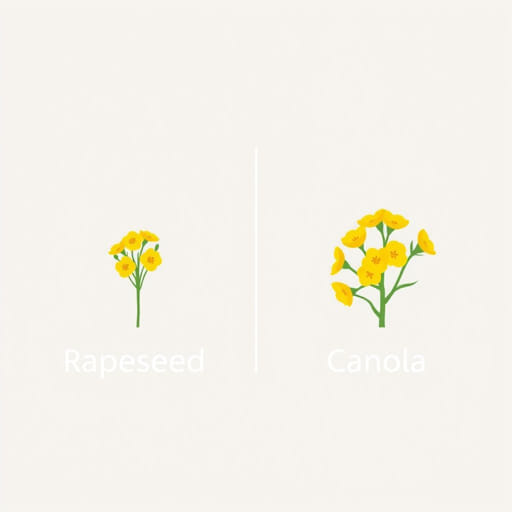
When browsing cooking oils at the store, it’s easy to see bottles labeled as either rapeseed oil or canola oil. At first glance, they might seem interchangeable, but there are important distinctions between the two. From their origins and chemical composition to their culinary uses and nutritional profiles, the difference between rapeseed and canola is more than just a name. Understanding what sets them apart can help consumers make more informed choices, especially those who are concerned about health, taste, or how the oil performs in different recipes. These oils may come from similar plants, but they are not exactly the same.
Origins and Development
What is Rapeseed?
Rapeseed is a plant that has been cultivated for thousands of years, mainly in Europe and Asia. Its bright yellow flowers produce pods filled with small, oil-rich seeds. Traditionally, rapeseed oil was used for industrial purposes, including lubricants and fuels, due to its high content of erucic acid and bitter-tasting compounds called glucosinolates. These compounds made early forms of rapeseed oil unsuitable for human consumption in large quantities.
What is Canola?
Canola is actually a type of rapeseed that was specifically bred to be more suitable for human consumption. In the 1970s, Canadian agricultural scientists developed a new variety of rapeseed with significantly lower levels of erucic acid and glucosinolates. This new variety was given the name canola, which stands for ‘Canadian oil, low acid.’ Today, canola oil is widely used in homes, restaurants, and food processing due to its mild flavor and healthy fat composition.
Botanical and Genetic Differences
Same Species, Different Traits
Both rapeseed and canola belong to the same plant species, Brassica napus. However, canola is a cultivar a plant variety that has been selectively bred to meet specific agricultural and nutritional standards. While they share the same roots, so to speak, their genetic differences affect the safety, taste, and nutritional qualities of the oils derived from them.
Low Erucic Acid in Canola
The main genetic difference lies in the oil content. Traditional rapeseed varieties contain high levels of erucic acid, which has been linked to potential heart problems in laboratory animals when consumed in large amounts. Canola, by definition, must contain less than 2% erucic acid, making it safe for regular dietary use.
Oil Composition and Nutritional Profile
Fats and Fatty Acids
One of the most significant distinctions between rapeseed oil and canola oil lies in their fatty acid composition:
- Canola oilis rich in monounsaturated fats, low in saturated fats, and contains a good balance of omega-3 and omega-6 fatty acids. It is often praised for its heart-healthy profile.
- Traditional rapeseed oilcontains more saturated fat and higher levels of erucic acid, which can be a concern for health-conscious consumers.
Vitamins and Nutrients
Both oils contain fat-soluble vitamins like vitamin E and K, but the refined versions of these oils may lose some of these nutrients during processing. Canola oil often goes through further refining and filtering to improve its shelf stability and neutral flavor.
Taste and Culinary Use
Flavor Profile
Canola oil has a very mild, neutral flavor, making it ideal for baking, sautéing, and frying. It doesn’t overpower the taste of other ingredients, which is why it’s commonly used in salad dressings, marinades, and processed foods.
Rapeseed oil, especially the unrefined or cold-pressed version, has a stronger, nuttier taste. In some European countries, this flavor is actually desired and used in traditional cooking. However, the more pungent flavor makes it less versatile for some recipes.
Smoke Point
Both rapeseed and canola oils have high smoke points, typically ranging between 400°F to 450°F (204°C to 232°C). This makes them suitable for high-heat cooking methods like frying and roasting. However, refined canola oil tends to have a slightly higher smoke point due to its processing, giving it a longer shelf life and better performance under heat.
Health and Safety Considerations
Erucic Acid Concerns
The key health concern with rapeseed oil is its erucic acid content. While modern food-grade rapeseed oil has been improved in some regions, traditional varieties may still contain higher levels of this fatty acid. Long-term consumption of high-erucic acid oils has not been thoroughly studied in humans but remains a topic of caution in food regulation.
Canola oil, because of its low erucic acid content, is approved and recommended by many health organizations for its positive impact on cholesterol and heart health when used in moderation.
Allergies and Processing
Both oils are considered low-risk for food allergies. However, people with sensitivities to mustard or other Brassica family plants (such as cabbage or broccoli) may react to rapeseed-derived oils. It’s important to note that highly refined oils typically contain negligible protein, which is the component that triggers allergic responses.
Environmental and Agricultural Factors
Where They’re Grown
Rapeseed is widely grown in Europe and parts of Asia, especially China and India. Canola is most commonly cultivated in Canada, the United States, and Australia. Because canola was developed in Canada, the country remains a leading exporter of canola oil and seed products.
Genetic Modification
Most canola grown in North America is genetically modified (GMO) to resist herbicides and increase yields. This has raised concerns for some consumers who prefer non-GMO or organic products. Non-GMO canola is available but less common and typically more expensive.
Rapeseed grown in Europe is usually non-GMO, as the European Union has strict regulations on genetically modified crops. This difference may influence consumer preference depending on views regarding biotechnology and food safety.
Market and Labeling
How to Identify Them
In North America, canola oil is the standard label for the low-erucic-acid oil derived from rapeseed. In Europe and other regions, you may see rapeseed oil on the label even if it meets canola standards. This can create confusion for consumers, but the key is to check the nutritional information and the country of origin if clarity is needed.
Cost and Availability
Canola oil is widely available and typically less expensive than some other oils like olive or avocado oil. Rapeseed oil, particularly cold-pressed or organic versions, may cost more and is usually found in specialty stores or health food markets.
The difference between rapeseed and canola is rooted in science, history, and practical use. While both come from the same species, canola was developed to meet modern dietary and safety standards, offering a healthier and more versatile option for cooking. Rapeseed oil, in its traditional form, still finds use in some regions and applications but carries a different nutritional profile and flavor. For everyday cooking and heart-healthy diets, canola oil is typically the preferred choice. However, those looking for richer flavor or European culinary authenticity may enjoy experimenting with rapeseed oil. Understanding these differences empowers consumers to choose the oil that best fits their health goals, taste preferences, and culinary needs.