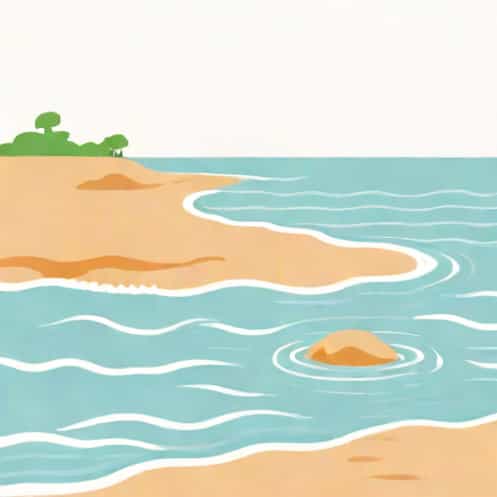
The ocean is a constantly moving force, and its rhythmic rise and fall create some of the most fascinating natural phenomena on Earth-flood tide and ebb tide. These two terms describe the movement of seawater toward and away from the shore, caused primarily by the gravitational pull of the moon and the sun. Understanding how flood tides and ebb tides work helps us grasp not only the behavior of the sea but also its influence on coastal life, navigation, and the global ecosystem.
Understanding the Concept of Tides
Tides are the periodic rise and fall of sea levels that occur due to the gravitational forces exerted by the moon and, to a lesser extent, the sun. The Earth’s rotation also plays a part in creating these cycles. Every coastal area experiences tides, though their range and timing can vary depending on the coastline’s shape and depth. Within a typical tidal cycle, there are two main phases the flood tide and the ebb tide.
What Is a Flood Tide?
A flood tide occurs when the sea level is rising and the water is moving toward the land. This is the period between low tide and high tide, when water flows inland and gradually fills estuaries, bays, and coastal areas. During this time, currents are strongest near coastal channels as water rushes toward the shore. The flood tide is also known as the incoming tide because it brings water closer to the land.
Characteristics of Flood Tide
- The water level gradually increases.
- Currents move toward the shore or up rivers connected to the sea.
- It typically lasts several hours until high tide is reached.
- Marine life often becomes more active as new nutrients are carried in.
In many coastal ecosystems, flood tides play a vital role. They deliver oxygen and nutrients to salt marshes, mangroves, and tidal flats, creating ideal conditions for fish, crabs, and other aquatic species. For fishermen and sailors, understanding when the flood tide occurs is crucial for navigation and timing departures or arrivals in harbors.
What Is an Ebb Tide?
The ebb tide is the opposite of the flood tide. It occurs after high tide when the water begins to recede and move back toward the sea. This is the outgoing tide, and it continues until the water reaches its lowest point, known as low tide. During an ebb tide, the current reverses direction and flows away from the shore, often at a noticeable speed in narrow channels or estuaries.
Characteristics of Ebb Tide
- The water level steadily decreases.
- Currents move seaward, draining estuaries and bays.
- The speed of the current can be strong, especially in confined coastal areas.
- It exposes coastal areas like tidal flats and rocky shores.
For coastal communities, the ebb tide is a time when much of the intertidal zone becomes visible. This exposes areas where marine plants grow and where shellfish, crabs, and small fish can be found. However, it also makes navigation more challenging for boats, as water depth decreases significantly during this stage.
The Difference Between Flood Tide and Ebb Tide
While both flood and ebb tides are part of the same tidal cycle, they represent opposite movements of water. Their main difference lies in direction and timing. Understanding these differences is important not only for scientific study but also for practical purposes such as fishing, boating, and coastal management.
Key Differences
- Direction of MovementFlood tide moves water toward the shore, while ebb tide moves water away from the shore.
- Water LevelFlood tide raises the water level, and ebb tide lowers it.
- TimingFlood tide occurs between low tide and high tide, while ebb tide occurs between high tide and low tide.
- Current FlowFlood tide currents move inland, and ebb tide currents move seaward.
In simple terms, a flood tide fills the coast, and an ebb tide empties it. Together, they create a natural rhythm that shapes the coastal landscape and sustains the marine ecosystem.
The Role of the Moon and the Sun
The main driving force behind both flood and ebb tides is the gravitational pull of the moon. As the moon orbits Earth, it exerts a force that causes the ocean’s surface to bulge outward. On the side facing the moon, water is pulled upward, creating a high tide. On the opposite side, inertia causes another bulge, leading to a second high tide. Between these bulges are areas of low tide. As the Earth rotates, each region passes through these high and low points, creating alternating flood and ebb tides throughout the day.
The sun also contributes to tidal movements, though to a lesser extent. When the sun, moon, and Earth align during a new or full moon, the combined gravitational pull causes higher-than-normal tides called spring tides. Conversely, when the sun and moon are at right angles relative to Earth, their forces partially cancel out, producing weaker tides known as neap tides.
Practical Importance of Flood and Ebb Tides
Tides influence many aspects of human and natural life along the coast. Understanding the timing and strength of flood and ebb tides is essential for activities such as fishing, shipping, and coastal construction. Many ports, harbors, and navigation systems rely on tidal charts to plan safe travel during periods of higher water levels.
For Fishermen and Boaters
Flood tides often bring fish closer to the shore as water rises and carries small prey inland. This makes flood tide periods ideal for fishing in estuaries or near coastal structures. Ebb tides, on the other hand, can make navigation tricky because of shallower water, but they may also expose clams and crabs for harvesting.
For Coastal Ecosystems
Flood and ebb tides are crucial for maintaining healthy coastal ecosystems. Flood tides bring in oxygen-rich water and nutrients that support marine vegetation, while ebb tides remove waste and prevent stagnation. This continuous exchange of water helps maintain ecological balance and biodiversity in tidal zones.
For Human Settlements
In areas prone to flooding, understanding tidal patterns is vital for construction and flood prevention. Engineers and city planners often design drainage systems and seawalls based on the expected range of flood and ebb tides. Accurate tidal predictions also help in managing ports, docks, and coastal tourism activities.
The Rhythmic Beauty of Tides
Beyond their scientific and practical value, tides hold a unique beauty. The constant motion between flood and ebb tides reminds us of nature’s balance. In many coastal cultures, the tides are seen as symbols of renewal and change, representing the natural flow of life. The rising flood tide brings vitality and abundance, while the ebb tide signifies rest and retreat before the next cycle begins.
Harmony in Motion
The interplay between flood tide and ebb tide demonstrates the incredible harmony of nature’s forces. These alternating movements, guided by the moon and sun, shape the world’s coastlines and sustain life both in and around the ocean. Understanding the difference between flood and ebb tides is not only important for navigation and ecology but also offers a deeper appreciation of how interconnected our planet truly is. Every rise and fall of the sea is a reminder of the Earth’s continuous rhythm-a dance of water and gravity that has persisted for billions of years, defining the pulse of our blue planet.