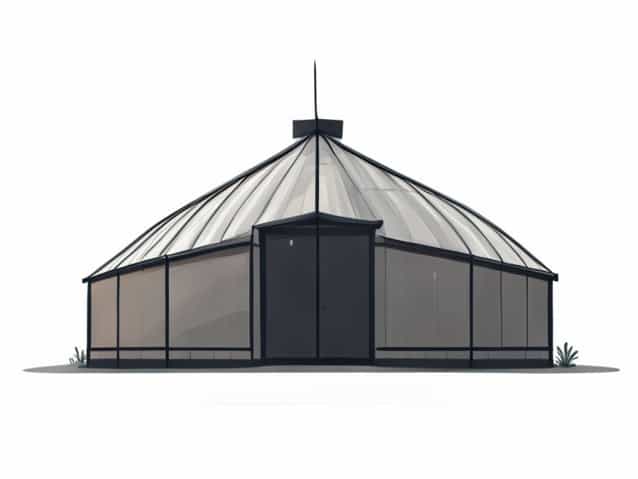
Building or customizing a Quonset hut often comes down to how well the end walls are framed. The end walls are not only the structural closure of the arched building but also define its appearance, stability, and usability. Whether you are using your Quonset hut for storage, workshops, or living space, framing the end walls correctly is one of the most important steps in ensuring durability and functionality. Understanding the right materials, methods, and design principles helps create strong and weather-resistant end walls that fit the unique shape of a Quonset structure.
Understanding Quonset Hut Design
A Quonset hut is a semi-cylindrical metal structure made of steel arches bolted together, forming a self-supporting shell. These buildings became popular due to their strength, affordability, and easy assembly. However, while the arched panels form the sides and roof, the front and rear of the hut need customized end walls for closure, insulation, and access points like doors or windows. The framing of these end walls plays a crucial role in the overall stability and weatherproofing of the hut.
Purpose of Framing Quonset Hut End Walls
End walls serve several important purposes beyond simply closing off the structure. Proper framing ensures that the hut remains secure against environmental factors such as wind, rain, and snow. Additionally, framed end walls allow for customization, including
- Installing doors for vehicles, equipment, or people
- Adding windows or vents for ventilation and light
- Improving insulation and energy efficiency
- Enhancing the aesthetic design of the building
- Supporting internal walls or loft spaces
Without properly framed end walls, a Quonset hut can be vulnerable to structural stress and water leakage, reducing its lifespan and usability.
Choosing the Right Materials for End Wall Framing
1. Wood Framing
Wood is one of the most common materials used for end wall framing due to its affordability and ease of construction. Wooden frames can be built using standard lumber sizes such as 2x4s or 2x6s. They are ideal for DIY builders who prefer flexibility in cutting and fitting panels around the curved arch of the hut. However, wood requires proper sealing or treatment to prevent rot and moisture damage, especially in humid or coastal climates.
2. Steel Framing
Steel framing is often chosen for commercial or long-term use Quonset huts because it provides superior strength and durability. Steel end wall frames can support heavy doors or mechanical equipment and resist weathering much better than untreated wood. They are typically assembled using prefabricated panels or light-gauge steel studs, which align with the curvature of the Quonset shell. Though more expensive than wood, steel offers a low-maintenance, long-lasting solution.
3. Hybrid Framing
Some builders combine wood and steel to balance cost and performance. For example, the main structure may use steel framing while internal supports or window frames are made from treated wood. This approach can make installation easier while maintaining structural integrity.
Planning the Layout of End Walls
Before construction begins, it’s essential to plan the layout of your end walls carefully. The first step is to decide the functional design-where the doors, windows, or vents will be located. Accurate measurements are vital since the curved ends of a Quonset hut can complicate the alignment. Builders often start by sketching a blueprint or using a design template provided by the Quonset manufacturer.
The layout should also account for insulation layers, interior finishes, and any planned extensions or attachments, such as porches or loading docks. In most cases, the end walls can be designed to either match the curve of the hut or be built as flat walls that meet the arch’s edges with trim pieces for sealing.
Steps for Framing Quonset Hut End Walls
1. Preparing the Foundation
Ensure the Quonset hut foundation is level and properly anchored. The end wall framing should rest on a solid base, usually concrete or treated lumber, to prevent moisture from seeping in. Foundation bolts or anchors may be needed to secure the frame to the ground.
2. Measuring and Cutting
Accurate measurements are essential when cutting framing materials. For curved designs, each section of the frame must fit tightly against the steel arch panels. A common technique is to trace the curve of the hut onto a plywood template, which serves as a guide for cutting lumber or metal studs.
3. Assembling the Frame
Begin assembling the frame on a flat surface before lifting it into position. Install the bottom plate first, followed by vertical studs spaced according to the structure’s design-typically 16 or 24 inches apart. Add horizontal supports at window or door levels to strengthen the frame and distribute load evenly.
4. Installing Doors and Windows
Once the frame is upright and secured, cut openings for doors and windows. Reinforce these areas with additional framing to support weight and prevent warping. If you are adding a garage door or large access point, ensure that the opening is supported by a header beam strong enough to handle the load.
5. Securing to the Quonset Shell
After positioning the frame, bolt or screw it directly to the end ribs of the Quonset hut using metal brackets or angle iron. This step ensures the end wall becomes an integrated part of the building rather than a separate component. Sealing gaps between the arch and wall frame is crucial to prevent leaks and drafts.
6. Adding Sheathing and Finishing
Once the frame is secured, sheathing materials such as plywood, metal panels, or siding can be installed. The choice depends on aesthetic preferences and weather resistance requirements. Finish by adding insulation, vapor barriers, and interior wall coverings if the structure will be climate-controlled.
Insulating and Weatherproofing the End Walls
Proper insulation and weatherproofing significantly improve comfort and efficiency, especially if the Quonset hut is used as a living space or workshop. Common insulation materials include spray foam, rigid boards, or fiberglass batts. Spray foam is particularly effective since it conforms to the curved shape of the structure and seals gaps tightly.
Seal all joints, seams, and fasteners with silicone or rubberized caulking to prevent air or water infiltration. Exterior-grade paint or metal coatings can further protect the walls from rust or UV damage. If you are building in a cold region, adding a thermal break between the steel arch and wall frame can help prevent condensation buildup.
Design Ideas and Customization Options
Framing Quonset hut end walls also offers creative opportunities to personalize your structure. Some popular customization ideas include
- Adding large picture windows for natural light and scenic views
- Installing double doors or sliding barn-style entrances
- Using decorative wood or metal siding for aesthetic appeal
- Creating a loft space above the doorway for storage
- Adding a porch or awning to extend outdoor usability
These design elements not only improve the appearance but also increase functionality and property value. The flexibility of end wall framing makes it easy to adapt a Quonset hut for various uses-from residential cabins to industrial workshops.
Maintenance and Longevity
Once your end walls are built, regular maintenance ensures they remain strong and weather-resistant. Check for loose bolts, cracks, or rusted sections at least once a year. Repaint or reseal surfaces as needed, especially in areas exposed to moisture or sunlight. Wood-framed walls may need periodic resealing to prevent decay, while metal frames should be inspected for corrosion or bending.
Framing Quonset hut end walls is both a practical and creative process that enhances the structure’s strength, comfort, and appearance. With careful planning, quality materials, and precise workmanship, you can build end walls that not only protect your Quonset hut but also adapt it for diverse applications. Whether you choose wood, steel, or a hybrid system, investing time in solid framing ensures that your building stands strong against the elements and serves your needs for many years to come.