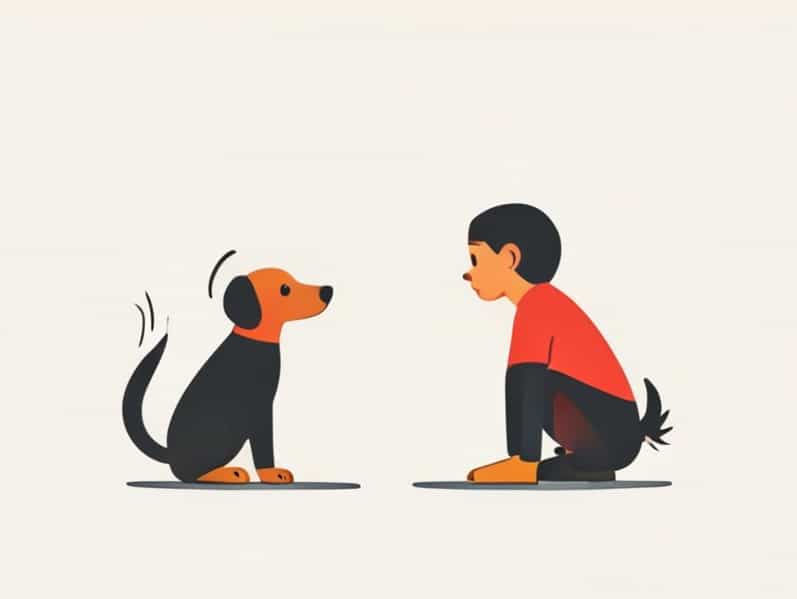
Building trust with a skittish dog requires patience, understanding, and consistent positive interactions. Dogs that are fearful or anxious often have had negative experiences, lack socialization, or naturally possess sensitive temperaments. Developing a strong bond with a skittish dog cannot be rushed, but with the right approach, these dogs can learn to feel safe, secure, and confident around you. Creating trust not only improves your relationship with the dog but also contributes to their overall emotional and physical well-being. Understanding the psychology of fear in dogs and implementing gentle techniques is essential for successfully helping a skittish dog feel comfortable and loved.
Understanding a Skittish Dog
A skittish dog is generally one that is easily frightened or startled by new situations, people, or other animals. Their fear responses may include cowering, trembling, hiding, barking, or even snapping if they feel cornered. Recognizing the signs of anxiety and fear is crucial for adapting your approach and avoiding actions that may worsen the dog’s stress. Each skittish dog is unique, so patience and careful observation are necessary to tailor your interactions to their specific needs.
Common Causes of Skittish Behavior
Skittish behavior in dogs can stem from a variety of factors
- Poor early socialization with people, animals, or environments
- Previous trauma, abuse, or neglect
- Genetic predisposition to heightened sensitivity
- Lack of exposure to new experiences in a safe manner
- Sudden changes in environment or routine
Understanding the root cause of a dog’s fear can help guide your approach and ensure that trust-building efforts are effective and safe for both you and the dog.
Creating a Safe Environment
Before attempting to build trust, it is essential to create an environment where the skittish dog feels secure. This includes providing a quiet space where they can retreat if overwhelmed, minimizing loud noises or sudden movements, and ensuring that interactions are calm and predictable. A safe environment reduces stress and makes it easier for the dog to engage in positive behaviors.
Safe Spaces and Comfort Items
Designate areas in your home where the dog can relax without disturbance. This might include a crate, bed, or corner with familiar blankets and toys. Consistently providing these safe zones helps the dog feel in control of their environment and establishes a foundation for trust.
Approaching the Dog Correctly
How you approach a skittish dog plays a critical role in building trust. Sudden movements, direct eye contact, or looming over the dog can increase fear. Instead, use slow, deliberate movements, lower your body to their level, and allow them to approach you at their own pace. Offering a hand for sniffing or speaking in a calm, soothing tone encourages the dog to view your presence as non-threatening.
Positive First Interactions
Initial interactions should focus on calm, non-invasive contact. Avoid forcing petting or handling until the dog shows signs of comfort. Reward calm behavior with treats, soft praise, or gentle attention. Over time, these positive associations help the dog link your presence with safety and reward, laying the groundwork for trust.
Using Positive Reinforcement
Positive reinforcement is a powerful tool for encouraging trust in a skittish dog. Treats, toys, and verbal praise can reinforce behaviors such as approaching, maintaining eye contact, or remaining calm in new situations. Consistency is key, as predictable rewards help the dog understand that trust and cooperation are beneficial.
Rewarding Small Steps
Building trust often requires celebrating small victories. Even minor actions, like the dog lifting its head to look at you or approaching you without fear, should be rewarded. Gradually increasing the level of interaction ensures that the dog does not become overwhelmed and maintains a positive association with your presence.
Establishing a Routine
Routine and predictability are important for skittish dogs. Consistent feeding times, walks, and training sessions provide a sense of stability, helping the dog anticipate and understand daily events. A predictable environment reduces anxiety and allows the dog to focus on learning that interactions with you are safe and reliable.
Consistency in Behavior
Your behavior toward the dog should also be consistent. Avoid sudden changes in tone, gestures, or expectations. Predictable, calm behavior fosters trust and reassures the dog that they are safe and understood. Over time, this consistency helps the dog develop confidence in both their environment and their relationship with you.
Socialization and Gradual Exposure
Careful socialization is another critical aspect of helping a skittish dog trust humans. Exposing the dog to new people, environments, and experiences in a controlled, gradual manner helps reduce fear responses. Positive experiences with strangers, other animals, and novel situations build confidence and reinforce the idea that the world is not inherently threatening.
Step-by-Step Exposure
- Introduce new stimuli slowly and one at a time.
- Reward calm behavior and retreat if the dog shows excessive fear.
- Use familiar objects or people to create a sense of safety during exposure.
- Gradually increase complexity and duration of new experiences as the dog becomes more comfortable.
Patience and Time
Building trust with a skittish dog is not an overnight process. It requires patience, empathy, and a long-term commitment. Expect setbacks and allow the dog to progress at its own pace. Celebrating small milestones, maintaining consistency, and avoiding punishment or negative reinforcement are essential strategies. With time and dedication, many skittish dogs can develop confidence, reduce anxiety, and form a strong bond with their caregivers.
Signs of Progress
Positive indicators that your trust-building efforts are working include
- The dog willingly approaches you
- Relaxed body language and wagging tail
- Seeking attention or physical contact
- Reduced startle response to new sounds or movements
- Overall improved confidence in daily activities
Getting a skittish dog to trust you requires understanding, patience, and careful attention to the dog’s needs and comfort levels. By creating a safe environment, using positive reinforcement, maintaining consistency, and gradually introducing new experiences, you can help a fearful dog feel secure and confident. Trust-building is a step-by-step process that involves recognizing small victories, celebrating progress, and respecting the dog’s individual temperament. Over time, these efforts can transform a skittish dog into a confident and affectionate companion, strengthening your bond and ensuring a positive, fulfilling relationship for both the dog and its caregiver.