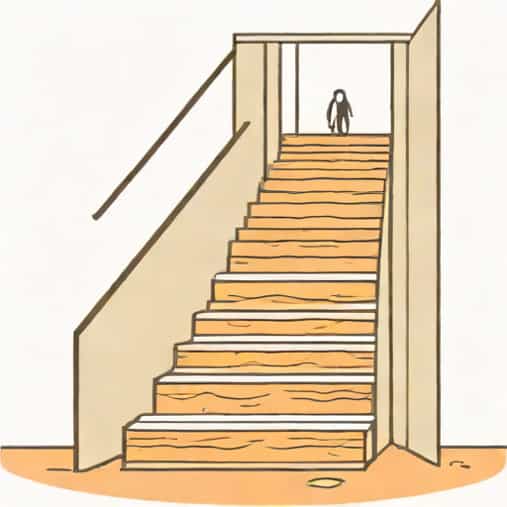
Walking down creaky stairs can be a tricky task, especially when you want to move quietly without disturbing anyone in the house. Whether it’s late at night, early in the morning, or you’re trying not to wake sleeping children or roommates, the noise from old wooden stairs can be surprisingly loud. Learning how to go down creaky stairs quietly requires a combination of balance, awareness, and small adjustments to your walking technique. With a few simple strategies, you can minimize the squeaks and creaks, making your descent smoother and less disruptive.
Understanding Why Stairs Creak
Before attempting to move quietly, it’s helpful to understand why stairs creak. Most commonly, creaking occurs due to loose boards, nails, or natural expansion and contraction of wood over time. When weight is applied to a specific step, friction between the wood pieces or movement in the structure creates noise. Older homes are more prone to squeaky stairs, but even newer stairs can develop creaks if the wood dries out or if the staircase wasn’t installed perfectly. Understanding the source of the noise can help you anticipate where the creaks might happen and adjust your steps accordingly.
Identify the Noisy Steps
The first step in moving quietly is identifying which stairs creak the most. Walk slowly up and down the staircase and note where the loudest noises occur. These are the steps that require extra care when descending. By being aware of these trouble spots, you can place your feet more carefully and distribute your weight in a way that reduces noise. Marking or mentally noting these steps makes a big difference in how quietly you can move.
Techniques for Quietly Going Down Stairs
Once you know which steps are creaky, you can apply several techniques to minimize noise. These involve body mechanics, foot placement, and controlled movements.
Step Lightly and Slowly
One of the most effective ways to reduce noise is to move slowly and place each foot gently on the step. Avoid stomping or shifting your weight suddenly, as this increases friction and makes the stairs creak louder. Try to land your foot flat and evenly on the step, keeping your weight balanced. Slowing down allows the wood to absorb your weight more gradually, which helps reduce squeaking.
Use the Ball of Your Foot
Instead of putting your full foot down at once, try placing the ball of your foot on the step first, then gradually rolling your foot down. This distributes your weight more evenly and prevents sudden pressure that causes the boards to move. Walking with this technique requires a bit of practice but can make a noticeable difference in noise reduction.
Shift Your Weight
Keeping your weight centered and shifting slightly to one side can help reduce creaking. If a particular step squeaks more under one part of the foot, try adjusting your stance to place your weight on the opposite side. Small adjustments like leaning slightly forward or backward can make a creaky stair much quieter.
Hold the Handrail
Using the handrail not only helps with balance but also allows you to control your descent more carefully. By gripping the railing, you can use your arms to partially support your weight, reducing pressure on the steps. This extra support helps prevent sudden shifts that can trigger squeaks and makes your movement smoother.
Additional Tips to Reduce Noise
Besides adjusting your walking technique, there are other tips and tricks that can make descending creaky stairs quieter over time.
Wear Soft-Soled Shoes
Footwear can greatly impact the noise level when moving on stairs. Shoes with hard soles, such as boots or heels, tend to amplify creaking sounds. Opt for soft-soled shoes, slippers, or even walking barefoot if possible. The softer material absorbs some of the pressure and reduces friction between your foot and the wooden step.
Distribute Your Weight Evenly
Try to avoid placing your full weight on a single foot or step. By distributing your weight evenly between steps or between your feet, you reduce the sudden pressure that causes boards to shift. This technique works best when combined with slow, controlled movements.
Maintain Good Posture
Keeping your body upright and relaxed helps with balance and reduces the risk of sudden movements that trigger squeaks. Tension in your legs or back can make you place your feet more heavily on the stairs, increasing noise. Stay calm and move deliberately for the best results.
Consider Temporary Fixes
If certain stairs are extremely noisy, you might consider temporary fixes like sprinkling a small amount of talcum powder or baby powder between the boards. This can reduce friction and help dampen squeaks. Be cautious with powders, as they can create slippery surfaces if overused. Other options include taping felt strips or using furniture pads on the edges of steps for a quieter experience.
Practicing Quiet Stair Descent
Moving quietly down creaky stairs is a skill that improves with practice. Spend a few minutes walking up and down the staircase at different speeds and using various techniques. Pay attention to which methods reduce noise the most and integrate them into your regular movements. Over time, you’ll naturally learn to anticipate which steps are the noisiest and adjust your movement accordingly. Patience and consistent practice are key to mastering silent stair navigation.
Going down creaky stairs quietly requires a combination of awareness, balance, and controlled movement. By identifying the noisiest steps, walking slowly, placing your feet carefully, using soft-soled shoes, and supporting yourself with the handrail, you can significantly reduce noise. Additional strategies such as weight distribution, maintaining good posture, and temporary fixes can further enhance your quiet descent. With practice and attention to detail, navigating even the creakiest stairs can become a smooth, nearly silent experience, allowing you to move through your home without disturbing others and making late-night or early-morning movements much more discreet.