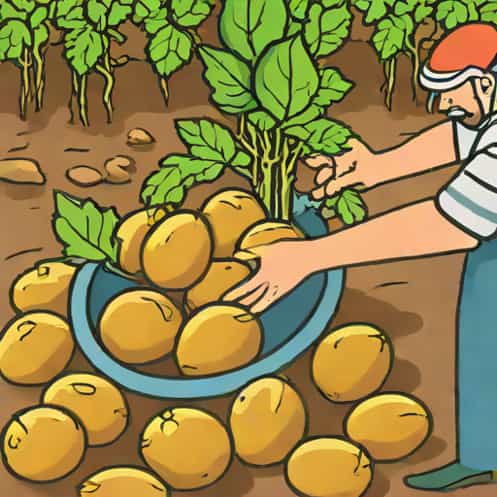
Harvesting potatoes is one of the most satisfying moments for any gardener, whether you grow a small patch in your backyard or tend a larger vegetable garden. Learning how to harvest potatoes correctly helps you preserve their flavor, protect the tubers, and enjoy a longer storage life. Potatoes develop underground, so careful timing and gentle handling can make a big difference. With the right approach, your harvest will be abundant, healthy, and ready for cooking or long-term storage.
Knowing the Right Time to Harvest Potatoes
Understanding when to harvest potatoes is essential for getting the best possible results. Different types of potatoes have slightly different harvesting windows, so paying attention to plant signals is helpful.
Harvesting New Potatoes
New potatoes are small, tender tubers harvested early. These potatoes have thin skins and a delicate texture, perfect for steaming or roasting.
- Look for blooms on the potato plants; this usually signals that small tubers have formed.
- New potatoes can be harvested about two to three weeks after flowering.
- Gently dig around the base of the plant and remove only the small potatoes you need.
Because the plant continues growing after you take new potatoes, you can enjoy multiple small harvests.
Harvesting Mature Potatoes
Mature potatoes are ready to dig when their growth cycle ends. Skins are thicker, and the tubers store well for months under proper conditions.
- Wait until the plant foliage yellows and begins to die back.
- Allow the tops to dry completely for the best skin development.
- After the foliage dies, wait about two weeks before digging; this helps toughen the skins.
These signs indicate the plant has transferred energy to the tubers and they are fully developed.
Preparing the Area for Harvest
A little preparation can make the harvesting process smoother and help protect the tubers from damage. Potatoes bruise easily, so creating the right conditions is important.
Choose the Right Tools
Using the proper tools helps you dig safely without cutting or piercing the potatoes.
- Garden fork or digging fork
- Hand trowel
- Gloves
A fork is often preferred over a shovel because it reduces the risk of slicing through the tubers.
Check Soil Conditions
Soil that is too wet can cause tubers to stick together and smear with mud, making cleaning more difficult. Soil that is too dry may be harder to dig.
Ideally, soil should be moist but not soggy. If it has rained recently, wait a day or two before harvesting.
How to Harvest Potatoes Step by Step
Once the plants show signs of maturity and the soil conditions are right, you can begin harvesting. Knowing how to harvest potatoes carefully ensures you retrieve as many tubers as possible without damaging them.
1. Cut Back the Foliage
For mature potatoes, trim away any remaining stems or leaves before digging. This makes the process easier and reduces the chance of accidental damage.
2. Loosen the Soil Around the Plant
Insert your garden fork about a foot away from the base of the plant. Gently lift the soil, working your way around the plant.
- Lift slowly to avoid puncturing potatoes.
- Break apart soil clumps with your hands.
- Feel for any tubers hiding deeper underground.
Be thorough but gentle, as potatoes can hide farther out than expected.
3. Remove the Potatoes
Once the soil loosens, pull the plant gently from the base. Many tubers will come up attached to the roots. Collect these first, then sift through the surrounding soil.
Hand-gathering potatoes prevents bruising and makes it easier to spot smaller tubers.
4. Sort and Inspect During Harvest
As you dig, check each potato for cuts, scrapes, or signs of disease.
- Set aside damaged potatoes for immediate use.
- Keep only undamaged tubers for storage.
This helps reduce the risk of rot spreading during storage.
Post-Harvest Handling for Long Storage
After harvesting, potatoes benefit from careful handling to maintain freshness and flavor. Preparing them properly increases their shelf life and prevents spoilage.
Do Not Wash Immediately
Avoid washing the potatoes right after harvest. Moisture can encourage mold growth and shorten storage time.
Instead, gently brush off excess soil. You can wash the potatoes just before cooking.
Curing the Potatoes
Curing helps toughen the potato skins, seal small nicks, and enhance storage quality. This step is especially important for mature potatoes.
- Place potatoes in a dry, well-ventilated area.
- Keep temperatures between 45°F and 60°F.
- Cure for about 10 to 14 days.
After curing, potatoes are ready to be stored long-term.
Best Storage Conditions
Potatoes store well when kept in a cool, dark, and dry place.
- Ideal temperature 38°F to 45°F.
- Avoid sunlight, which causes greening.
- Provide ventilation to prevent moisture buildup.
Basements, cellars, or insulated garages often work well for potato storage.
Tips for Harvesting Potatoes in Containers
If you grow potatoes in containers, harvesting is even easier because you have more control over the soil.
Dump or Scoop Method
When the plant dies back, simply tip the container onto a tarp or large surface. Collect the potatoes and sift through the soil.
- This method reduces the risk of damaging tubers.
- You can reuse the soil for non-root crops after amending.
Container-grown potatoes often yield clean, well-formed tubers.
Common Mistakes When Harvesting Potatoes
Avoiding common errors helps improve your results and ensures your potatoes stay fresh longer.
Harvesting Too Early
Potatoes that are harvested before they mature may have thin skins and poorer storage quality. Make sure the foliage has fully died back before digging mature varieties.
Handling Potatoes Roughly
Dropping, tossing, or scraping tubers can cause bruises. These spots may rot during storage, leading to waste.
Storing in Warm or Bright Areas
Warm storage areas encourage sprouting, while bright light causes potatoes to turn green. Always keep them in a dark, cool place.
Why Learning How to Harvest Potatoes Matters
Knowing how to harvest potatoes properly ensures your hard work in the garden pays off. A careful harvest results in better flavor, longer storage, and higher-quality tubers. By recognizing the right harvest time, handling the soil gently, and curing the potatoes correctly, you can enjoy delicious homegrown potatoes for months. This helpful skill also encourages more successful gardening seasons and deeper appreciation for the process of growing your own food.