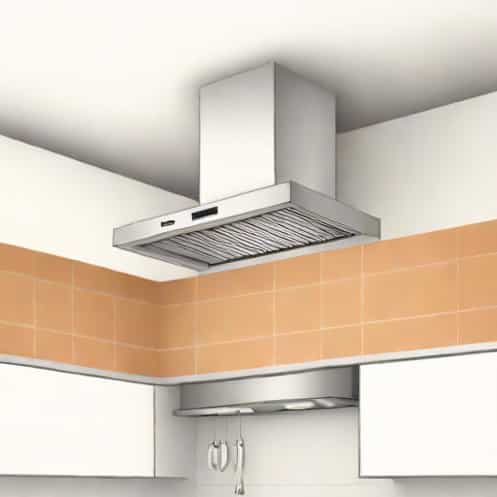
Installing a cooker hood ducting system is one of the most effective ways to remove steam, smoke, and cooking odors from your kitchen. A properly installed cooker hood not only improves air quality but also helps maintain your kitchen’s cleanliness by reducing grease buildup on walls and cabinets. While the process might seem technical, it can be done efficiently with the right tools, materials, and careful planning. This detailed guide explains how to install cooker hood ducting step by step, what materials to use, and how to achieve optimal airflow for your ventilation system.
Understanding Cooker Hood Ducting
Cooker hood ducting refers to the system of pipes or vents that channel air from your cooker hood to the outside. It’s an essential part of any extractor hood installation. Ducted cooker hoods are generally more efficient than recirculating types because they physically remove air pollutants instead of filtering and returning them to the kitchen. The ducting system should be designed to minimize bends and maintain a smooth airflow path for the best performance.
Types of Cooker Hood Ducting
- Rigid DuctingMade from solid aluminum or plastic, it offers the best airflow and is ideal for long-term installations.
- Flexible DuctingEasier to install but less efficient due to ridges inside the tubing that can trap grease and restrict airflow.
- Rectangular DuctingOften used in concealed installations, such as behind cabinets, where space is limited.
Planning Your Cooker Hood Ducting
Before starting installation, proper planning ensures that your cooker hood ducting is both functional and compliant with building safety standards. Measure the distance between your cooker hood and the nearest external wall or ceiling where air can be vented outside. The shorter and straighter the ducting route, the better the performance of your hood.
Key Planning Considerations
- Keep ducting length below 5 meters if possible to avoid airflow loss.
- Use smooth, rigid ducting to minimize turbulence.
- Plan for no more than two 90-degree bends to maintain efficiency.
- Ensure the exterior vent has a backdraft flap or grille to prevent outside air and insects from entering.
Materials and Tools Needed
Before you begin the installation process, gather all the materials and tools you’ll need. This preparation will make the process smoother and safer.
- Cooker hood and manufacturer’s installation guide
- Rigid or flexible ducting pipe (diameter as specified by the hood)
- Wall or roof vent kit
- Ducting connectors and clamps
- Sealant or aluminum duct tape
- Drill and appropriate drill bits
- Measuring tape and pencil
- Saw (for cutting ducting to length)
- Screwdriver or wrench
Step-by-Step Guide to Installing Cooker Hood Ducting
1. Mark the Vent Route
Use a pencil to mark the position of the cooker hood on the wall. From there, determine the straightest route to the outside wall or ceiling. Make sure the vent opening is in a suitable position and not obstructed by beams or wiring. Always follow the manufacturer’s specified minimum clearance above the cooking surface, usually between 65 cm and 75 cm.
2. Cut the Vent Opening
Once you’ve determined the route, use the drill and saw to cut the hole in the wall or ceiling for the ducting pipe. If venting through a brick wall, you may need a core drill or masonry bit. Make sure the opening is slightly larger than the ducting diameter to allow easy fitting and adjustment.
3. Install the Exterior Vent
Fit the exterior vent grille or cap to the outside of your home. Secure it tightly using screws and seal around the edges with weatherproof sealant to prevent leaks. If your vent kit includes a backdraft damper, ensure it opens outward freely.
4. Connect the Ducting to the Cooker Hood
Attach one end of the ducting pipe to the cooker hood’s exhaust outlet. Use a ducting connector and tighten it with a metal clamp or aluminum tape to ensure an airtight fit. Avoid crumpling the ducting, especially if you’re using flexible types, as this can restrict airflow.
5. Route the Ducting to the Vent
Carefully run the ducting through the planned route to the external vent. Try to maintain a smooth, straight path, minimizing bends. If bends are necessary, use wide, gentle curves rather than sharp angles to prevent air resistance. Secure the ducting along the path with brackets or straps.
6. Seal the Joints
After connecting all ducting sections, seal each joint with aluminum duct tape or a heat-resistant sealant. This step is crucial to prevent air leaks, which can reduce suction efficiency and allow grease-laden air to escape into hidden areas.
7. Test the Cooker Hood
Before finishing up, turn on the cooker hood to test airflow. You should feel a steady stream of air exiting from the exterior vent. Listen for rattles or vibrations, which may indicate loose fittings. Check all seals and joints again to ensure everything is tight and secure.
Common Mistakes to Avoid
Installing cooker hood ducting may seem simple, but certain mistakes can compromise performance. Avoid these common issues
- Using ducting that is too narrow for the hood’s outlet diameter.
- Excessive use of flexible ducting, which reduces suction power.
- Too many bends in the ducting path.
- Failing to properly seal joints, causing air leaks and reduced efficiency.
- Installing an exterior vent without a backdraft damper.
Maintaining Your Cooker Hood Ducting
After installation, regular maintenance ensures that your cooker hood continues to perform efficiently. Over time, grease and dust can build up inside the ducting, especially if you cook frequently. Clean the hood filters monthly and inspect the ducting at least once a year. If grease accumulation is visible or airflow decreases, remove and clean the ducting or replace it if necessary.
Tips for Optimal Performance
- Keep the ducting as short and straight as possible.
- Use smooth, rigid ducting instead of flexible types for best airflow.
- Clean the grease filters regularly to maintain strong suction.
- Seal all joints with metal tape for a completely airtight system.
- Choose a vent grille designed for outdoor use with weather protection.
Learning how to install cooker hood ducting properly can make a huge difference in the performance of your kitchen ventilation. It helps remove unwanted odors, moisture, and airborne grease efficiently, keeping your kitchen clean and comfortable. By planning the route carefully, using high-quality materials, and sealing all connections tightly, you can create a reliable and long-lasting ducting system. Even if you’re not a professional installer, following these steps methodically will help ensure a safe, efficient, and effective cooker hood installation that enhances your cooking environment for years to come.