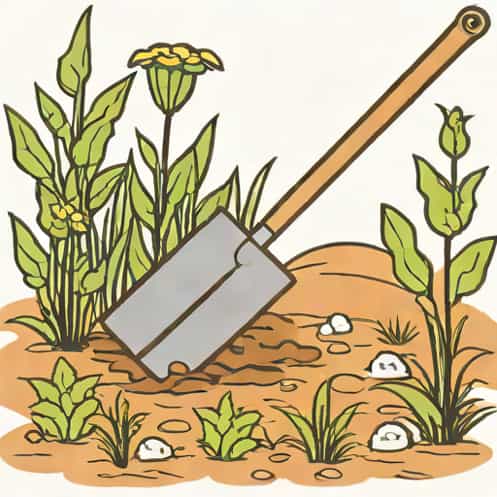
Keeping weeds under control is one of the biggest challenges for gardeners, whether you grow vegetables, flowers, or maintain ornamental beds. Chemical solutions are not always desirable, and hand pulling can be time-consuming and tiring. This is where a simple but highly effective tool becomes valuable. Learning how to use a scuffle hoe for weeds can change the way you maintain your garden, making weed control faster, cleaner, and more satisfying without disturbing your soil too much.
Understanding What a Scuffle Hoe Is
A scuffle hoe, sometimes called a stirrup hoe or oscillating hoe, is a lightweight garden tool designed to cut weeds just below the soil surface. Unlike traditional hoes that chop downward, a scuffle hoe works with a push-and-pull motion.
The blade is usually loop-shaped or flat and sharp on both edges. This design allows it to move easily through the top layer of soil, slicing weed stems without digging deep.
Why a Scuffle Hoe Is Effective for Weed Control
The main advantage of using a scuffle hoe for weeds is efficiency. It targets weeds when they are small and easy to remove, stopping them before they develop strong roots.
Because it only disturbs the soil surface, it helps prevent new weed seeds from being brought up to germinate. This makes it ideal for regular maintenance.
Benefits of Using a Scuffle Hoe
- Reduces the need for chemical herbicides
- Works quickly over large areas
- Less strain on your back and arms
- Preserves soil structure and moisture
- Easy to use for gardeners of all skill levels
Choosing the Right Time to Use a Scuffle Hoe
Timing is crucial when learning how to use a scuffle hoe for weeds effectively. The best time is when weeds are young and the soil surface is dry.
Dry conditions allow cut weeds to wilt and die quickly. If the soil is wet, weeds may re-root instead of drying out.
Best Conditions for Scuffle Hoeing
Early morning or late afternoon on a dry day works well. Avoid hoeing just before rain, as moisture can help weeds recover.
How to Hold and Position the Scuffle Hoe
Proper posture and grip make a big difference in comfort and results.
Hold the handle with both hands, keeping your back straight and shoulders relaxed. The blade should lie flat against the soil surface.
You do not need to lift the hoe high or swing it forcefully. The tool works best with gentle, controlled movements.
Using the Push-and-Pull Motion Correctly
The defining feature of a scuffle hoe is its oscillating action. The blade cuts weeds on both the forward and backward stroke.
Push the hoe forward lightly, then pull it back toward you. Let the sharp edges do the work rather than applying pressure.
Key Technique Tips
- Keep the blade just under the soil surface
- Use short, smooth strokes
- Work at a steady pace, not too fast
- Focus on cutting stems, not digging roots
Working Around Plants Without Damaging Them
One concern gardeners often have is accidentally harming crops or flowers. A scuffle hoe is safe to use between rows and around established plants when handled carefully.
Use shorter strokes near plant bases and adjust the angle slightly to avoid contact with stems.
For very tight spaces, you may still need to hand pull weeds, but the scuffle hoe will handle most open areas efficiently.
Maintaining a Regular Weeding Schedule
Consistency is more important than intensity when using a scuffle hoe for weeds. Light, frequent hoeing prevents weeds from becoming established.
A quick pass once a week can be more effective than a long session once a month.
Why Frequent Hoeing Works
Young weeds have shallow roots and are easily severed. Removing them early prevents seed production and reduces future weed pressure.
Using a Scuffle Hoe in Different Garden Areas
A scuffle hoe is versatile and can be used in various settings.
Vegetable Gardens
It works especially well between rows of vegetables such as lettuce, carrots, beans, and onions. Regular use keeps beds clean without disturbing crops.
Flower Beds
In ornamental gardens, a scuffle hoe helps maintain neat soil surfaces and reduces competition for nutrients.
Paths and Open Areas
Gravel paths and bare soil areas can also benefit, as long as the blade can glide just under the surface.
Keeping the Blade Sharp
A sharp blade is essential for effective weed cutting. Dull blades tear weeds instead of slicing them cleanly.
Check the edge regularly and sharpen it with a file when needed. A few strokes are usually enough.
Cleaning and Storing Your Scuffle Hoe
After use, remove soil and plant debris from the blade. This prevents rust and keeps the tool in good condition.
Store it in a dry place, preferably hanging, to protect the blade and handle.
Common Mistakes to Avoid
Beginners sometimes misuse a scuffle hoe, reducing its effectiveness.
- Hoeing too deep into the soil
- Using it on large, mature weeds
- Working in wet conditions
- Applying too much force
Correcting these habits improves results quickly.
Combining Scuffle Hoeing With Other Weed Control Methods
For best results, scuffle hoeing can be combined with mulching, crop spacing, and hand weeding.
Mulch helps suppress new weeds, while the scuffle hoe manages those that appear before mulching or between applications.
Building a Sustainable Weeding Routine
Using a scuffle hoe encourages a proactive approach to garden care. Instead of reacting to weed overgrowth, you maintain control with minimal effort.
This routine supports healthier plants, better soil, and a more enjoyable gardening experience.
Learning how to use a scuffle hoe for weeds is a practical skill that pays off throughout the growing season. With the right technique, timing, and consistency, this simple tool can dramatically reduce weed problems without chemicals or heavy labor.
By working gently on the soil surface, keeping weeds small, and maintaining your tool properly, you can create a cleaner, healthier garden that requires less effort over time. A scuffle hoe is not just a tool, but a smart approach to sustainable weed control.