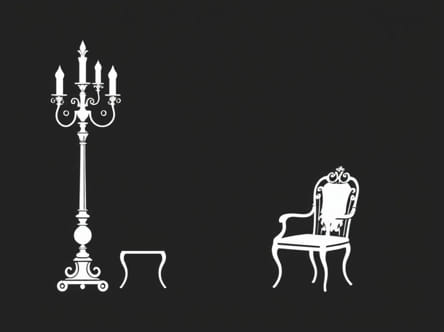
Rococo is indeed an art movement, known for its decorative style, lightness, and playful themes. Emerging in early 18th-century France, Rococo developed as a response to the grandeur and formality of the Baroque period. Characterized by ornate details, pastel colors, and scenes of leisure and romance, Rococo spread across Europe, influencing painting, architecture, sculpture, furniture design, and interior decoration. Its aesthetic reflects the tastes of the aristocracy during the reign of Louis XV, often seen in salons, palaces, and artistic commissions of the elite. Understanding Rococo as an art movement involves exploring its origins, visual characteristics, major artists, and cultural significance.
Origins and Historical Context
Rococo began in France around the 1730s and is closely associated with the reign of Louis XV. The term ‘Rococo’ likely comes from the French word ‘rocaille,’ meaning shellwork or pebbles, a reference to the decorative motifs used in grottoes and garden ornaments. This new style moved away from the dramatic religious themes and heavy ornamentation of Baroque art, favoring instead themes of romance, nature, and leisure.
The movement gained momentum as France’s aristocracy sought beauty and escape in art during a time of political stability and economic comfort. It quickly spread to other parts of Europe, including Germany, Austria, and Italy, influencing artists, architects, and designers in various fields.
Key Influences
- Rejection of Baroque’s dark, heavy grandeur
- Inspiration from classical antiquity and natural forms
- Focus on elegance, asymmetry, and decorative flair
- Rise of the French salon culture
Visual Characteristics of Rococo Art
Rococo is easily recognizable due to its distinctive artistic features. Unlike the solemn and serious Baroque, Rococo art is light, airy, and often humorous or romantic. It emphasizes delicacy over drama and ornamental detail over strict composition.
Main Artistic Features
- Color palette: Soft pastels like pale pink, baby blue, gold, ivory, and mint green dominate Rococo works.
- Line and form: Curved lines, asymmetry, and floral patterns are common, contributing to a whimsical, flowing effect.
- Subject matter: Scenes of love, flirtation, playful mythologies, and aristocratic leisure dominate.
- Textures and materials: Artists used rich materials like gilding, stucco, and silk, particularly in interior decoration and furnishings.
This focus on beauty and grace aimed to delight rather than to impress or preach, in stark contrast to earlier religious or political art.
Important Artists of the Rococo Movement
Several artists are closely associated with the Rococo period. They produced works across multiple media from painting to sculpture to architecture and helped shape the legacy of this decorative era.
Key Figures
- Jean-Antoine Watteau: Often credited as the founder of Rococo painting. His fête galante scenes depict aristocrats in romantic, outdoor settings.
- François Boucher: Known for sensual and decorative paintings filled with mythological themes and elaborate detail.
- Jean-Honoré Fragonard: Celebrated for light-hearted, erotic, and playful scenes, including the famous The Swing.
- Ãlisabeth Vigée Le Brun: One of the few prominent female artists of the period, known for her portraits of Marie Antoinette and other royals.
These artists contributed to the widespread popularity of the Rococo aesthetic, both in France and abroad.
Rococo in Architecture and Interior Design
Rococo was not limited to paintings. It was a dominant style in interior design and architecture, especially in salons, churches, and palaces. In Germany and Austria, Rococo architecture flourished in religious buildings, while French interiors featured lavish ornamentation, gilded moldings, and curved furniture.
Notable Architectural Examples
- Amalienburg Pavilionin Munich: A hunting lodge filled with mirrored walls and stucco decorations.
- Wieskirchein Bavaria: A pilgrimage church showcasing delicate pastel colors and ornate frescoes.
- Hôtel de Soubisein Paris: Exemplifies French Rococo interior design with its ornate panels and luxurious detailing.
Rococo interiors were designed to be intimate, elegant, and inviting, reflecting the private and personal nature of aristocratic life during the era.
Decline and Legacy of Rococo
By the late 18th century, Rococo began to fall out of favor. The rise of Neoclassicism, which embraced simplicity and moral virtue inspired by ancient Rome and Greece, marked a turn away from the frivolity of Rococo. Additionally, the growing unrest that led to the French Revolution made the opulence of Rococo seem excessive and out of touch with the common people.
Despite its decline, Rococo had a lasting influence on the decorative arts and remains a celebrated part of art history. In the 19th and 20th centuries, Rococo enjoyed periods of revival, particularly in fashion, jewelry, and interior design.
Why Rococo Is an Art Movement
To define Rococo as an art movement, it must meet specific criteria. It emerged during a particular time and place, had defining visual features, was driven by a shared philosophy or taste, and influenced multiple artistic fields.
Reasons Rococo Is a Recognized Movement
- It had a distinct style across different mediums: painting, sculpture, architecture, furniture.
- It developed from and responded to earlier movements like Baroque.
- It was supported by patrons and embraced by a specific social class.
- It left a visible mark on the cultural and artistic history of Europe.
All of these factors confirm that Rococo was indeed more than just a style it was a comprehensive art movement with clear goals and cultural resonance.
Rococo is undeniably an art movement, defined by its unique visual language, historical context, and wide-reaching influence. Emerging as a counter to the Baroque, it embraced elegance, intimacy, and playful beauty. From the painted canvases of Watteau to the gilded ceilings of Bavarian churches, Rococo transformed how art and design expressed human emotion and pleasure. While its popularity faded in the wake of political and cultural shifts, its legacy remains firmly embedded in the history of European art and aesthetics. For those exploring the evolution of Western art, Rococo stands as a vibrant, joyful chapter worth appreciating in full.