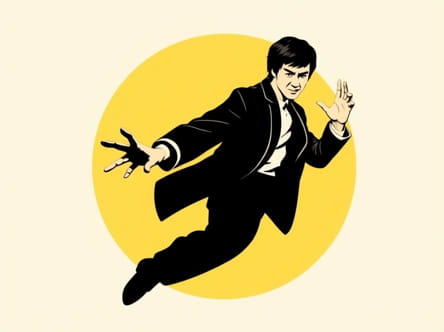
The comparison between Jackie Chan and Bruce Lee has been a long-standing discussion among martial arts enthusiasts and film fans worldwide. Both actors have left indelible marks on martial arts cinema, but they did so in very different ways. Bruce Lee is celebrated for his intense, groundbreaking approach to martial arts, blending philosophy, precision, and speed into his performances. Jackie Chan, on the other hand, is known for his unique style that combines martial arts with comedy, acrobatics, and elaborate stunts. Understanding their contributions to cinema, their fighting styles, and their cultural impact helps to appreciate why both are legendary figures in martial arts history, even though their legacies differ significantly.
Bruce Lee The Icon of Martial Arts
Bruce Lee, born in 1940 in San Francisco and raised in Hong Kong, is widely regarded as the father of modern martial arts cinema. Lee’s career took off with television appearances in the United States, most notably in the seriesThe Green Hornet, where he portrayed Kato. However, it was his return to Hong Kong and films likeThe Big Boss,Fist of Fury,The Way of the Dragon, andEnter the Dragonthat cemented his status as an international superstar. Lee’s on-screen presence was defined by lightning-fast strikes, precise techniques, and a philosophy of martial arts that emphasized efficiency and adaptability.
Bruce Lee’s Fighting Philosophy
Bruce Lee developed his own martial arts philosophy, Jeet Kune Do, which emphasized directness, simplicity, and personal expression. He rejected rigid traditional forms in favor of a more fluid, adaptable approach. Lee’s training focused not only on physical skills but also on mental discipline, nutrition, and philosophical understanding. His films often reflected these principles, showcasing combat that was realistic, intense, and innovative. His unmatched speed, timing, and charisma made his fight scenes thrilling and influential for generations of martial artists and filmmakers.
Jackie Chan The Master of Martial Arts Comedy
Jackie Chan, born in 1954 in Hong Kong, emerged as a unique force in martial arts cinema with a style that emphasized humor, creativity, and high-risk stunts. Unlike Bruce Lee, whose films carried a serious and intense tone, Chan’s films often blend action with comedy, using the environment as part of the fight choreography. He trained at the China Drama Academy, where he learned acrobatics, Peking opera, and martial arts, which became the foundation of his cinematic style.
Jackie Chan’s Signature Style
- Acrobatic and inventive fight sequences using props and surroundings.
- Physical comedy and humorous timing within action scenes.
- Risk-taking stunts performed without stunt doubles.
- A focus on entertainment and audience engagement rather than realism.
Chan’s approach made martial arts accessible and enjoyable to a global audience. Films such asDrunken Master,Police Story, andRush Hourhighlight his ability to combine martial arts expertise with comedic timing, creating a distinct niche in the film industry that Bruce Lee did not occupy.
Comparison of Their Impact
While both Bruce Lee and Jackie Chan are martial arts legends, their contributions and legacies are different. Bruce Lee is credited with transforming martial arts films into a respected global genre, inspiring countless martial artists, and introducing Eastern philosophies to a Western audience. His influence extended beyond cinema into popular culture, fitness, and martial arts education.
Jackie Chan, however, expanded the possibilities of action cinema by integrating comedy and complex stunts into martial arts. Chan popularized a style of filmmaking where fights are not only intense but also entertaining and imaginative. His films appeal to a broad demographic, including children and families, ensuring longevity and widespread popularity.
Influence on Global Cinema
- Bruce Lee inspired actors, martial artists, and filmmakers to adopt a more realistic and philosophical approach to action cinema.
- Jackie Chan innovated action choreography by making fight sequences dynamic, humorous, and visually engaging.
- Lee’s influence is often seen in the intensity and seriousness of martial arts portrayals in film.
- Chan’s influence is evident in the use of props, comedy, and elaborate stunts in contemporary action films.
Legacy and Cultural Significance
Bruce Lee became a cultural icon, representing strength, intelligence, and the breaking of racial barriers in Hollywood. He was one of the first Asian actors to gain international stardom, challenging stereotypes and inspiring future generations. Jackie Chan, while also breaking international barriers, introduced a lighter, more humorous side of martial arts cinema that appealed to a wider audience. Both actors are revered, but for different reasons Lee for his intensity and philosophical depth, Chan for his innovation and entertainment value.
Enduring Popularity
The enduring popularity of both figures is reflected in media, merchandise, and continued film references. Bruce Lee’s image and philosophy continue to influence martial arts culture, while Jackie Chan’s films remain widely watched for their inventive stunts and humor. Comparisons between the two often center on their styles rather than skill level; Lee’s fights are precise and deadly, while Chan’s are intricate, playful, and imaginative.
Jackie Chan and Bruce Lee are both monumental figures in martial arts cinema, but their contributions serve different purposes and audiences. Bruce Lee revolutionized martial arts films with his intensity, precision, and philosophy, leaving a profound cultural impact. Jackie Chan, with his acrobatic stunts, comedic timing, and innovative choreography, created a unique form of martial arts entertainment that appeals to audiences worldwide. While fans often debate who is superior, the truth is that both actors excelled in their respective domains, shaping martial arts cinema in ways that continue to influence filmmakers and actors today. Understanding their differences highlights the diversity and richness of martial arts as both an art form and a cinematic experience.