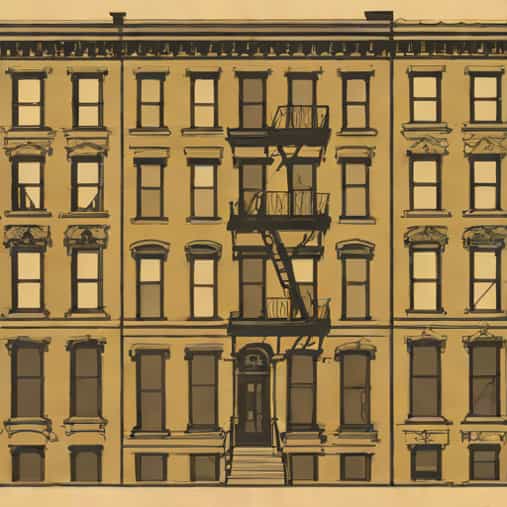
The New York Tenement House Act of 1901 was a landmark piece of legislation that transformed urban housing in New York City and set a precedent for housing reform across the United States. At the turn of the 20th century, the city faced a severe housing crisis, with overcrowded, unsanitary tenement buildings housing thousands of working-class and immigrant families. These buildings often lacked basic amenities, including adequate light, ventilation, and proper sanitation, which contributed to widespread disease and high mortality rates. The 1901 Act was a response to years of social reform efforts and investigative journalism, aiming to improve living conditions and establish standards for new tenement construction.
Historical Context of Tenement Housing
During the late 19th and early 20th centuries, New York City experienced a massive influx of immigrants from Europe. Many settled in the Lower East Side, where landlords constructed densely packed tenement buildings to maximize profits. These buildings often had narrow hallways, small windows, and little or no ventilation. Families of six or more frequently lived in a single room, and the lack of proper sewage and waste management contributed to outbreaks of diseases such as tuberculosis and cholera.
Previous Housing Legislation
Before the 1901 Act, New York had passed earlier housing laws, including the Tenement House Act of 1867 and the stricter 1879 Old Law. These laws attempted to regulate the construction and safety of tenements, but enforcement was weak, and many buildings did not comply. Social reformers, journalists, and public health advocates continued to push for more comprehensive legislation that could effectively improve housing conditions for the city’s growing population.
Provisions of the Tenement House Act of 1901
The Tenement House Act of 1901, also known as the New Law, established rigorous standards for light, air, fire safety, and sanitation in new tenement buildings. It represented a major improvement over previous laws and became a model for future housing regulations in other cities.
Light and Ventilation Requirements
One of the key provisions of the 1901 Act was the requirement for proper light and ventilation. The law mandated that every room in a tenement must have access to natural light and cross-ventilation, significantly reducing the risk of disease and improving living conditions. Courtyards, air shafts, and larger windows were required to ensure that all apartments had sufficient sunlight and airflow.
Sanitation and Plumbing Standards
The Act required indoor plumbing for all apartments in new tenement buildings, including a toilet and running water. This was a significant step forward, as many older tenements relied on shared or external toilets and often had inadequate drainage systems. The inclusion of plumbing and proper waste disposal reduced the spread of infectious diseases and improved hygiene for residents.
Fire Safety Measures
Fire safety was another critical aspect of the 1901 Act. The law required fireproof staircases, fire escapes, and safe construction materials to prevent the rapid spread of fires that had previously caused devastating losses of life in densely populated tenements. The inclusion of fire safety measures helped protect residents and became a standard requirement for urban housing development.
Additional Features
- Limits on building height and density to prevent overcrowding.
- Specifications for room sizes to ensure livable conditions for families.
- Requirements for improved garbage disposal and street access.
Impact on Housing and Urban Development
The Tenement House Act of 1901 had a profound impact on housing and urban development in New York City. By enforcing stricter construction standards, the law encouraged the development of safer, healthier, and more livable apartment buildings. It also signaled a growing recognition of the role of government in regulating private housing to protect public health and welfare.
Influence on Architects and Builders
The Act influenced architects and builders to design tenements that complied with the new standards, often incorporating features such as large courtyards, air shafts, and improved floor plans. The new law tenements that emerged after 1901 were taller, wider, and better ventilated, providing more humane living conditions than their predecessors.
Social and Health Benefits
Improved living conditions had significant social and health benefits. Access to sunlight, fresh air, and indoor plumbing reduced the prevalence of tuberculosis, cholera, and other infectious diseases. Residents experienced better quality of life, and neighborhoods became safer and more organized as building standards were enforced and public health inspections became more regular.
Role of Reformers and Activists
The passage of the Tenement House Act of 1901 was not solely the result of political action; it was also driven by social reformers, journalists, and public health advocates. Reformers such as Jacob Riis played a key role in exposing the appalling conditions in tenements through photography and writing. His book How the Other Half Lives documented overcrowding, filth, and disease in New York’s Lower East Side and galvanized public support for legislative reform.
Public Health Advocates
Public health experts highlighted the link between poor housing and disease, emphasizing that better construction standards could save lives. Their research and advocacy were instrumental in shaping the provisions of the 1901 Act, particularly regarding sanitation, plumbing, and ventilation requirements.
Legacy of the Tenement House Act of 1901
The Tenement House Act of 1901 set a precedent for housing reform in the United States and influenced subsequent legislation aimed at improving urban living conditions. It demonstrated that government intervention could play a crucial role in protecting public health, regulating building practices, and addressing social inequalities.
Influence on Later Housing Laws
The success of the 1901 Act paved the way for later reforms, including public housing programs, zoning laws, and building codes. Many cities across the country adopted similar standards to ensure that residents lived in safe and sanitary conditions.
Cultural and Educational Impact
The Act also contributed to a broader cultural awareness of urban poverty and the living conditions of working-class and immigrant populations. It inspired educational initiatives, social work programs, and ongoing efforts to study and improve urban housing, highlighting the importance of combining social advocacy with legislative action.
The New York Tenement House Act of 1901 was a milestone in the history of housing reform, addressing the urgent need for safe, sanitary, and livable urban housing. By setting strict standards for light, ventilation, plumbing, and fire safety, the Act transformed tenement construction and improved the quality of life for thousands of New Yorkers. Driven by reformers, journalists, and public health advocates, the legislation highlighted the importance of government intervention in safeguarding public welfare. Its legacy continues to influence housing policies, urban planning, and social reform initiatives, serving as a model for cities striving to create healthier, more equitable living environments.