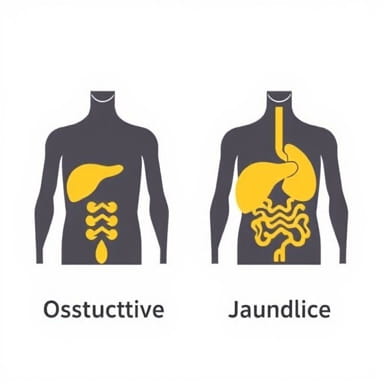
Jaundice is a common clinical condition characterized by the yellowing of the skin, sclera (whites of the eyes), and mucous membranes due to elevated levels of bilirubin in the blood. It is a symptom of underlying diseases that affect the metabolism, excretion, or production of bilirubin. Two major types of jaundice often discussed in medical practice are obstructive jaundice and hepatic jaundice. Understanding the differences between these types, including their causes, symptoms, diagnostic methods, and treatments, is crucial for proper medical management and improved patient outcomes.
Definition and Causes of Obstructive Jaundice
Obstructive jaundice, also known as post-hepatic jaundice, occurs when there is a blockage in the bile ducts that prevents the normal flow of bile from the liver into the intestine. This blockage causes bilirubin to accumulate in the blood, leading to yellowing of tissues. The obstruction can be located anywhere along the biliary tree, including the common bile duct, cystic duct, or the ampulla of Vater.
Common Causes of Obstructive Jaundice
- Gallstones blocking the bile duct
- Benign or malignant tumors in the bile duct or pancreas (e.g., pancreatic cancer)
- Strictures or narrowing of bile ducts
- Inflammation or infections such as cholangitis
- Bile duct cysts or congenital abnormalities
Definition and Causes of Hepatic Jaundice
Hepatic jaundice, also known as intrahepatic jaundice, results from dysfunction or damage within the liver cells (hepatocytes) themselves. This impairment affects the liver’s ability to uptake, metabolize, conjugate, or excrete bilirubin, causing an increase in bilirubin levels in the blood. Hepatic jaundice is often associated with liver diseases and conditions that affect hepatocyte function.
Common Causes of Hepatic Jaundice
- Viral hepatitis (A, B, C, E)
- Alcoholic liver disease
- Non-alcoholic fatty liver disease (NAFLD)
- Drug-induced liver injury
- Autoimmune hepatitis
- Genetic disorders such as Gilbert syndrome or Dubin-Johnson syndrome
- Cirrhosis of the liver
Pathophysiology Differences
In obstructive jaundice, the key problem is mechanical blockage that prevents bile drainage, resulting in conjugated bilirubin buildup in the bloodstream. Because bile flow is impaired, bile salts also accumulate, leading to symptoms such as pale stools and dark urine.
In hepatic jaundice, the liver cells themselves are damaged, which can affect both conjugated and unconjugated bilirubin metabolism. Hepatocyte injury reduces the liver’s ability to conjugate bilirubin or excrete it into bile canaliculi, causing a mixed pattern of bilirubin elevation.
Clinical Features Comparing Symptoms
Both types of jaundice share the primary symptom of yellow discoloration, but there are differences in associated signs that help differentiate them.
Symptoms of Obstructive Jaundice
- Yellowing of skin and eyes
- Dark urine due to increased conjugated bilirubin
- Pale or clay-colored stools from lack of bile pigments
- Itching (pruritus) caused by bile salt accumulation
- Right upper abdominal pain, especially if gallstones or infection are present
- Fever if cholangitis or infection occurs
Symptoms of Hepatic Jaundice
- Yellowing of skin and eyes
- Dark urine may occur but stools are usually normal or dark-colored
- Fatigue and malaise
- Signs of liver dysfunction such as abdominal swelling (ascites), easy bruising, and confusion in advanced cases
- No severe itching compared to obstructive jaundice
Laboratory and Diagnostic Differences
Laboratory tests help distinguish obstructive jaundice from hepatic jaundice by analyzing the type and levels of bilirubin, liver enzymes, and imaging studies.
Laboratory Findings in Obstructive Jaundice
- Elevated conjugated (direct) bilirubin levels
- Increased alkaline phosphatase (ALP) and gamma-glutamyl transferase (GGT)
- Mild elevation of aminotransferases (AST and ALT)
- Imaging such as ultrasound or MRCP showing bile duct dilation or obstruction
Laboratory Findings in Hepatic Jaundice
- Elevated unconjugated (indirect) or mixed bilirubin levels
- Elevated aminotransferases (AST and ALT), often significantly increased in acute hepatitis
- Normal or mildly elevated ALP and GGT
- Liver biopsy may be needed for diagnosis in certain cases
Treatment Approaches
Treatment for jaundice depends on the underlying cause and differs significantly between obstructive and hepatic jaundice.
Treatment for Obstructive Jaundice
- Removal of obstruction, such as endoscopic retrograde cholangiopancreatography (ERCP) to extract gallstones
- Surgical intervention if tumors or strictures are causing obstruction
- Antibiotics if infection is present
- Supportive care to manage symptoms like itching
Treatment for Hepatic Jaundice
- Addressing underlying liver disease (antiviral drugs for hepatitis, lifestyle changes for alcoholic liver disease)
- Discontinuation of hepatotoxic drugs
- Supportive treatment for liver failure when present
- Monitoring and managing complications like encephalopathy or ascites
Prognosis and Complications
The prognosis varies based on cause and timeliness of treatment. Obstructive jaundice often improves quickly after relieving the blockage but can lead to serious infections or biliary cirrhosis if untreated. Hepatic jaundice prognosis depends on the extent of liver damage and may require long-term management or liver transplantation in severe cases.
Obstructive jaundice and hepatic jaundice are two distinct types of jaundice that differ in their causes, clinical features, laboratory findings, and treatment approaches. Obstructive jaundice results from blockage of bile flow outside the liver, while hepatic jaundice arises from liver cell dysfunction. Accurate diagnosis using clinical examination, laboratory tests, and imaging is essential to guide effective management and improve patient outcomes. Recognizing these differences can help healthcare providers deliver targeted therapies and reduce complications associated with jaundice.