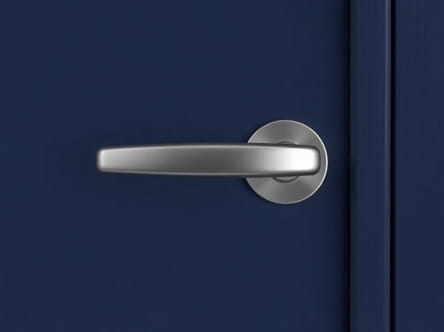
A door handle may seem like a simple household item, but it is made up of several essential parts that work together to allow smooth and secure operation of doors. Whether used on interior or exterior doors, the components of a door handle play an important role in functionality, safety, and even design aesthetics. Understanding the individual parts of a door handle is useful not just for repair or replacement purposes but also for making informed decisions when choosing hardware for your home or office. From the latch to the escutcheon, each part contributes to the overall performance of the door handle system.
Main Parts of a Door Handle
Handle or Lever
The handle, also known as the lever or knob, is the part that you physically grasp to operate the door. It can come in different shapes, such as round knobs or elongated levers, and is available in a variety of materials like brass, stainless steel, or plastic. Lever-style handles are easier to operate and often recommended for accessibility.
Spindle
The spindle is a square metal rod that runs through the door and connects the handles on both sides. When you turn the handle or knob, the spindle rotates and engages the latch mechanism inside the door. Without the spindle, the handle would not be able to operate the latch.
Latch
The latch is the spring-loaded mechanism that keeps the door closed. It typically consists of a beveled bolt that fits into the strike plate on the door frame. When the handle is turned, the latch retracts to allow the door to open. Once released, the spring pushes the latch back into the extended position to secure the door again.
Strike Plate
Mounted on the door frame, the strike plate has an opening for the latch to slide into when the door is closed. It helps guide the latch bolt into place and protects the frame from damage caused by repeated use. Strike plates are usually made of metal and may come in different finishes to match the rest of the door hardware.
Backplate or Rose
The backplate, also known as the rose, is the decorative plate behind the handle. It covers the hole in the door and provides a finished look. It may also house screws that secure the handle mechanism to the door. In some designs, the backplate adds a vintage or ornate touch to the overall appearance.
Escutcheon
An escutcheon is a protective or decorative plate that surrounds the keyhole or lock cylinder. In some door handles, the escutcheon is separate from the backplate, especially in designs where the keyhole is positioned below the handle. It serves both a functional and aesthetic purpose, hiding rough edges and preventing wear around the keyhole.
Additional Functional Components
Lock Cylinder
In locking door handles, especially on exterior doors, the lock cylinder is where the key is inserted. It is the component responsible for locking and unlocking the door with a key. The cylinder rotates to engage or disengage a locking bolt, depending on the key used.
Thumb Turn
Found on the interior side of some locking door handles, a thumb turn allows the user to lock or unlock the door without a key. It provides convenience, especially in bathrooms or bedrooms, where privacy is desired without needing a key-operated lock.
Set Screws
Set screws are small screws that help hold the handle, spindle, or backplate in place. These screws are typically hidden but are essential for securing the handle mechanism and preventing it from coming loose during use. They may require specific tools, such as an Allen key, for adjustment or removal.
Mounting Plate
Some door handles use a mounting plate that sits between the backplate and the door surface. This plate serves as a secure anchor point for the screws that hold the handle in place. Mounting plates add stability and help distribute pressure evenly across the door surface.
Types of Door Handles and Their Part Variations
Passage Door Handles
These handles are used for interior doors that don’t require locking, such as hallway or closet doors. They usually consist of a latch mechanism, handle, and spindle but do not include a lock cylinder or thumb turn.
Privacy Door Handles
Privacy handles are commonly used on bathroom or bedroom doors. They include a simple locking mechanism that can be engaged from the inside using a thumb turn. Some designs also include an emergency release feature from the outside in case of accidental lock-ins.
Entry Door Handles
These are used on exterior doors and often include a keyed lock cylinder for added security. In addition to the basic parts, entry door handles may include a deadbolt and high-security features, such as anti-pick or anti-drill mechanisms within the cylinder.
Dummy Door Handles
Dummy handles are fixed and do not operate a latch. They are purely decorative and used where a functional handle is unnecessary, such as on double doors or cabinets. Dummy handles still include a backplate or rose for aesthetics.
Material and Finish Options
Common Materials
The parts of a door handle can be made from various materials depending on the quality, style, and intended use. Common materials include:
- Brass durable and corrosion-resistant, often used in higher-end hardware
- Stainless Steel strong and rust-resistant, ideal for exterior doors
- Zinc Alloy affordable and versatile for interior use
- Plastic lightweight, often used in budget or temporary installations
Popular Finishes
The finish of a door handle affects both its appearance and its resistance to wear. Popular options include:
- Satin Nickel modern, smooth, and fingerprint-resistant
- Oil-Rubbed Bronze traditional and dark with a rustic look
- Polished Chrome shiny and sleek, often used in contemporary designs
- Matte Black bold and modern, gaining popularity for minimalist interiors
Maintaining Door Handle Components
Regular Cleaning
Wipe down handles with a damp cloth to remove dirt and oils from daily use. Avoid harsh chemicals, as they can damage the finish over time.
Tightening Loose Screws
Check for any loose parts, such as wobbly knobs or levers. Use the appropriate tools to tighten set screws or mounting hardware. This helps extend the life of the handle and ensures smooth operation.
Lubricating Moving Parts
If the latch or internal mechanisms become stiff, apply a small amount of lubricant to the moving parts. Avoid using grease that can attract dust or debris.
Inspecting for Wear
Over time, certain parts may show signs of wear, especially in high-traffic areas. Replace worn-out components like latch springs or loose spindles to maintain the handle’s performance and security.
Understanding the parts of a door handle can make a big difference in choosing the right hardware for your space, maintaining its functionality, and making repairs when needed. From the handle and latch to hidden components like the spindle and mounting plate, each piece serves a purpose in the overall mechanism. Whether you’re updating your door hardware for design or performance reasons, knowing how each part functions will help you get the most from your door handle system. Investing in quality materials and proper maintenance can ensure your door handles last for years and perform at their best.