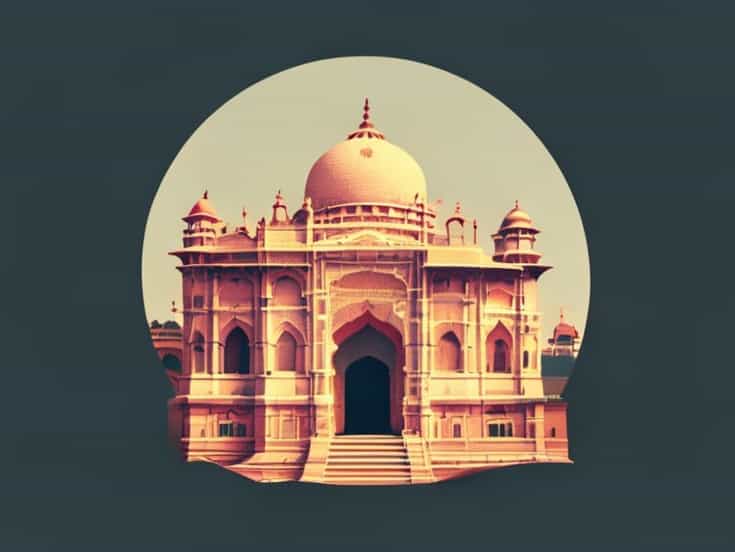
Jaipur, often referred to as the Pink City of India, is a captivating blend of history, culture, and architectural grandeur. Known for its stunning palaces, historic forts, and vibrant bazaars, Jaipur attracts travelers from all over the world. The city is not only the capital of Rajasthan but also a hub for art, crafts, and traditional Rajasthani cuisine. Whether you are exploring majestic forts, wandering through colorful markets, or experiencing cultural festivals, Jaipur offers a diverse range of attractions that make it a must-visit destination in India.
Amer Fort
One of the most iconic landmarks in Jaipur, Amer Fort, is located on a hill overlooking Maota Lake. Built in the 16th century by Raja Man Singh I, this fort showcases a unique blend of Rajput and Mughal architectural styles. Visitors can explore its magnificent courtyards, ornate halls, and intricate mirror work inside the Sheesh Mahal (Mirror Palace). The fort also offers an elephant ride experience, giving travelers a royal perspective of the ascent to the fort.
Key Highlights of Amer Fort
- Sheesh Mahal (Mirror Palace) with intricate glass work
- Diwan-i-Aam (Hall of Public Audience)
- Diwan-i-Khas (Hall of Private Audience)
- Beautiful gardens and panoramic views of Maota Lake
City Palace
Located in the heart of Jaipur, the City Palace is a magnificent complex that combines courtyards, gardens, and museums. Constructed by Maharaja Sawai Jai Singh II, it reflects a perfect blend of Rajput and Mughal architectural styles. The museum inside the palace displays a rich collection of royal costumes, manuscripts, and armory. Walking through the palace gives visitors a glimpse of the royal lifestyle and the grandeur of Jaipur’s royal history.
Attractions Inside City Palace
- Mubarak Mahal (Welcome Palace) displaying royal garments
- Chandra Mahal with its royal family quarters
- Courtyards with exquisite arches and balconies
- Art galleries showcasing Rajasthani paintings and artifacts
Hawa Mahal
Hawa Mahal, also known as the Palace of Winds, is one of Jaipur’s most recognizable landmarks. Built in 1799 by Maharaja Sawai Pratap Singh, it features a unique five-story facade with 953 small windows called jharokhas. These windows allowed royal women to observe street activities without being seen, in accordance with the purdah system. The honeycomb structure and pink sandstone walls make Hawa Mahal a photographer’s paradise and a symbol of Jaipur’s architectural creativity.
Things to See at Hawa Mahal
- Jharokhas with intricate latticework
- Panoramic views of the city from the top floors
- Nearby markets offering traditional Rajasthani handicrafts
Jantar Mantar
Jantar Mantar is an astronomical observatory built by Maharaja Sawai Jai Singh II in the 18th century. This UNESCO World Heritage Site features a collection of architectural astronomical instruments that were used to measure time, predict eclipses, and track celestial movements. It is one of the largest observatories in India and offers a fascinating insight into ancient Indian astronomy and scientific innovation.
Highlights of Jantar Mantar
- Samrat Yantra, the largest sundial in the world
- Instruments for measuring celestial positions
- Beautifully designed geometric structures for scientific purposes
Jaipur Markets
Jaipur is famous for its bustling markets, which are perfect for shopping traditional Rajasthani handicrafts, textiles, jewelry, and souvenirs. The markets are lively, colorful, and filled with local culture. Bapu Bazaar, Johari Bazaar, and Tripolia Bazaar are among the most popular shopping destinations. Visitors can enjoy bargaining while exploring vibrant stalls selling everything from embroidered fabrics to gemstone jewelry.
Popular Jaipur Markets
- Bapu Bazaar for textiles, handicrafts, and leather products
- Johari Bazaar for traditional jewelry and gemstones
- Tripolia Bazaar for brassware, pottery, and decorative items
Albert Hall Museum
Albert Hall Museum, located in the Ram Niwas Garden, is one of Jaipur’s oldest museums. Constructed in the late 19th century, it houses a diverse collection of artifacts, including paintings, sculptures, textiles, and historical relics. The museum’s Indo-Saracenic architecture is visually stunning, and its night illumination creates a magical experience for visitors. The museum provides a comprehensive overview of Rajasthan’s rich cultural heritage.
Exhibits at Albert Hall Museum
- Ancient artifacts and royal weapons
- Traditional Rajasthani paintings and miniature art
- Decorative arts including pottery, textiles, and jewelry
Nahargarh and Jaigarh Forts
Overlooking Jaipur from the Aravalli hills, Nahargarh Fort and Jaigarh Fort are important historical sites offering panoramic views of the city. Nahargarh Fort was originally built as a retreat and later transformed into a defensive fort, while Jaigarh Fort houses the famous Jaivana Cannon, once the world’s largest cannon on wheels. Both forts are popular for their historical significance, architectural beauty, and breathtaking sunset views.
Key Features of Nahargarh and Jaigarh Forts
- Breathtaking views of Jaipur city and surrounding hills
- Historical architecture with intricate designs and sturdy fortifications
- Jaivana Cannon at Jaigarh Fort
- Dining experiences and cultural events at Nahargarh Fort
Cultural Experiences
In addition to its historical landmarks, Jaipur offers rich cultural experiences. Travelers can enjoy traditional Rajasthani dance and music performances, local cuisine at heritage hotels, and vibrant festivals like Jaipur Literature Festival and Teej Festival. These cultural experiences give visitors a deeper understanding of the city’s traditions and heritage, making the trip to Jaipur unforgettable.
Must-Try Cultural Activities
- Rajasthani folk dance and music performances
- Cooking classes to learn traditional dishes like dal bati churma
- Festivals celebrating art, literature, and local traditions
Jaipur is a city that offers a perfect blend of history, culture, and vibrant local life. From exploring majestic forts like Amer and Jaigarh to marveling at architectural wonders like Hawa Mahal and City Palace, the city offers numerous attractions for travelers. Its bustling markets, rich cultural experiences, and heritage museums further enhance its appeal. Visiting Jaipur allows travelers to experience the grandeur of Rajasthan, offering memories that last a lifetime and a deep appreciation for India’s architectural and cultural heritage.